— amazon · Fitness
Resistance Bands Home Gym: Complete Setup Guide
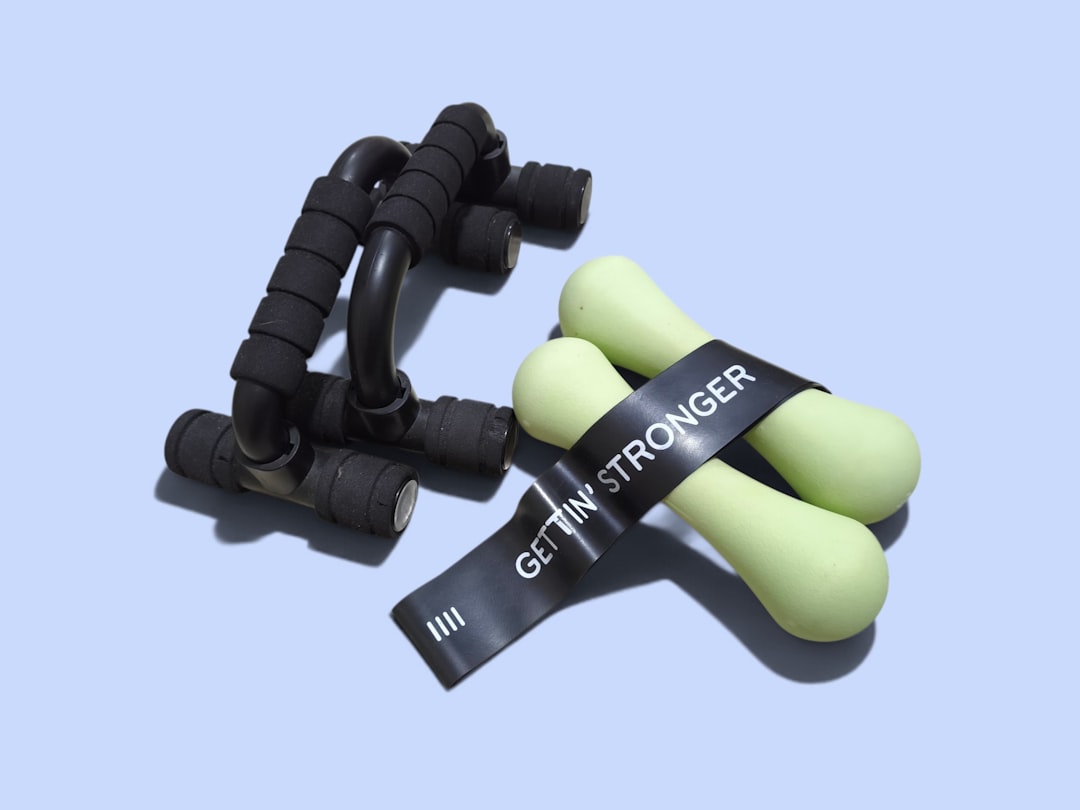
Build a resistance bands home gym with expert buying tips, setup ideas, and workout guidance for versatile, affordable full-body training at home daily.
A resistance bands home gym can deliver challenging strength workouts without turning your spare room into a crowded weight room. Whether you live in an apartment, travel often, or simply want an affordable way to stay consistent, resistance bands offer a practical path to full-body training. With the right mix of loop bands, tube bands, handles, and a secure door anchor, you can train your legs, chest, back, shoulders, arms, and core in a surprisingly small space. Bands also create accommodating resistance: tension increases as the band stretches, making many movements feel smooth and joint-friendly. This guide explains how to choose a resistance band set, build a safe home setup, select useful accessories, and follow a simple workout plan. Some links may be Amazon Associate links, which means we may earn a commission from qualifying purchases at no additional cost to you.
Why Build a Resistance Bands Home Gym?
A resistance bands home gym is one of the most flexible fitness investments you can make. A compact set can fit in a drawer, cost far less than a rack of dumbbells, and provide enough exercise variety for beginners through experienced lifters. Unlike fixed weights, bands create more tension near the end of a movement, where many exercises naturally become easier. That curve can make presses, rows, squats, and glute exercises feel demanding without requiring heavy equipment.
Bands are also useful for more than traditional strength training. You can use light loop bands for mobility drills and warm-ups, medium bands for glute activation, and heavier tube bands for rows, presses, and assisted pull-ups. They are quiet, portable, and easy to scale by changing the band thickness, adjusting your distance from the anchor point, or combining bands.
The main limitation is that resistance ratings are not standardized across brands. A band labeled 30 pounds may not feel identical to another 30-pound band. Focus on build quality, comfortable accessories, and a range of resistance levels rather than relying only on the printed number. For most people, a complete resistance band set with five or more levels is the most useful starting point.
Essential Equipment for Your Band Setup
You do not need dozens of accessories to create a capable training space. Start with a set of long tube bands with handles, carabiners, and multiple resistance levels. These bands work especially well for chest presses, standing rows, lat pulldowns, curls, triceps pressdowns, and deadlift variations. Look for durable latex or layered rubber tubes, reinforced stitching around connection points, and handles that feel secure in your hands.
Next, add fabric or latex loop bands. Small loop bands are excellent for lateral walks, clamshells, glute bridges, and shoulder warm-ups. Longer closed-loop bands can assist pull-ups, add resistance to push-ups, or provide a simple option for squats and rows. A sturdy door anchor expands your exercise selection dramatically by giving you high, middle, and low attachment positions.
Other worthwhile additions include ankle straps for kickbacks and hamstring curls, a non-slip exercise mat, and a stable bench or step. If you want a trusted beginner-friendly option, search Amazon for the Fit Simplify Resistance Loop Exercise Bands or compare a bundled tube-band kit with handles. Before purchasing, check the price, read recent reviews, and confirm that replacement parts or customer support are available.
How to Choose the Best Resistance Band Set
Choose bands based on your current strength, training goals, and preferred exercises. Beginners generally benefit from light, medium, and heavy options because their upper- and lower-body strength may differ considerably. For example, a band that is challenging for a shoulder press may be too light for squats. Multiple bands let you progress gradually instead of forcing every exercise into one resistance level.
Tube bands with handles are best for people who want a familiar gym-like experience. They make pressing and pulling movements easier to grip and adjust. Long loop bands are highly versatile for bodyweight assistance, mobility, and barbell-style resistance work. Fabric mini bands are usually more comfortable for lower-body exercises because they are less likely to roll or pinch during lateral movements.
Pay close attention to safety features. Select bands with protective sleeves if you are concerned about wear, inspect carabiners and handles for secure connections, and avoid products with vague resistance information or weak-looking seams. A good kit should clearly explain how to use the door anchor. Never attach a band to unstable furniture, sharp edges, glass doors, or a door that opens toward you. The best resistance band set is not necessarily the heaviest one; it is the one you can use safely and consistently.
Safe Door Anchor Setup and Training Tips
A door anchor makes a small resistance bands home gym far more effective, but setup matters. Place the padded stopper on the opposite side of a solid, closed door. For a high anchor, position it near the top hinge area; for a low anchor, position it near the bottom hinge area. Whenever possible, use the hinge side of the door because it is generally more secure. Lock the door if possible and test it with a light pull before every workout.
Keep the band away from sharp surfaces, inspect it for cracks, thinning, fraying, or damaged clips, and replace worn equipment immediately. Stand far enough from the anchor to create light tension at the beginning of each rep, but do not overstretch the band. Most manufacturers provide stretch limits; following them helps the material last longer and reduces the risk of snapping.
Use controlled reps. Avoid jerking the band, rushing through the return phase, or allowing the anchor point to pull your posture out of alignment. Maintain a neutral spine, brace your core, and stop if you feel joint pain rather than normal muscular effort. For unilateral moves, train both sides evenly. If you are new to resistance training or managing an injury, consider getting individualized advice from a qualified fitness professional before beginning.
A Simple Full-Body Resistance Band Workout
Perform this full-body resistance band workout two to four times weekly, leaving at least one rest day between hard sessions. Begin with five minutes of easy movement, arm circles, bodyweight squats, and light band pull-aparts. Choose a resistance level that allows clean technique while making the final two or three repetitions challenging.
- Band squat: 3 sets of 10 to 15 reps. Stand on a long band and hold the ends at shoulder height, then squat with control.
- Standing chest press: 3 sets of 8 to 15 reps. Use a middle door anchor and press forward without flaring your ribs.
- Seated or standing row: 3 sets of 10 to 15 reps. Anchor the band at mid-torso height and pull your elbows toward your hips.
- Overhead shoulder press: 2 to 3 sets of 8 to 12 reps. Stand on the band and press smoothly overhead.
- Romanian deadlift: 3 sets of 10 to 15 reps. Stand on the band, hinge at the hips, and squeeze your glutes to stand.
- Pallof press: 2 sets of 10 to 12 reps per side. Use a side anchor to challenge your core against rotation.
Progress by adding reps, using a stronger band, stepping farther from the anchor, slowing the lowering phase, or adding another set. Track your workouts so that your resistance bands home gym continues to challenge you over time.
FAQ
- Can resistance bands really build muscle at home?
- Yes. Resistance bands can support muscle growth when you train close to fatigue, use good form, and gradually increase difficulty. Progress by selecting stronger bands, adding repetitions or sets, increasing range of motion, or slowing the tempo. A resistance bands home gym is especially effective when workouts include pushing, pulling, squatting, hinging, and core movements.
- What resistance bands should beginners buy?
- Beginners should usually buy a resistance band set with several light-to-heavy tube bands, handles, a door anchor, and ankle straps. Adding loop bands gives you more lower-body and warm-up options. Choose a kit from a reputable brand, read current reviews, and make sure the instructions clearly explain safe anchor use.
- Are door anchors safe for resistance bands?
- A door anchor can be safe when it is used on a solid, closed door and positioned correctly. Use the hinge side when possible, place the stopper on the other side of the door, lock the door if you can, and test the setup gently before exercising. Never use damaged bands or anchors.
- How often should I do a resistance band workout?
- Most beginners can perform a full-body resistance band workout two or three times per week. More experienced exercisers may train three to five days weekly by alternating muscle groups and managing recovery. Leave time for muscles to recover, especially after challenging leg, back, and chest sessions.
Conclusion
A well-planned resistance bands home gym proves that effective strength training does not require a large room or expensive machines. Start with versatile tube bands, a few loop bands, and a reliable door anchor, then build your routine around foundational movements such as squats, presses, rows, hinges, and core work. Prioritize safe setup, controlled technique, and progressive overload instead of chasing the heaviest resistance immediately. The right resistance band set can support beginner workouts, mobility sessions, travel training, and demanding full-body circuits for years. Before you buy, compare included accessories, resistance ranges, material quality, and verified customer feedback. If a kit fits your goals and space, check the price on Amazon and choose the option that will make regular training easiest. Consistency matters more than complexity, so set up your bands where you can use them often and begin with your first workout this week.
— Enjoyed this? Pass it on
— Want to build your own?
Publish articles like this in 90 seconds.
The whole terminal — AI writer, PA-API sync, refresh radar, auto-tweets — free for the first 3 articles.
Try for free