— amazon · Fitness
Resistance Bands Home Gym: Build Strength in Any Space
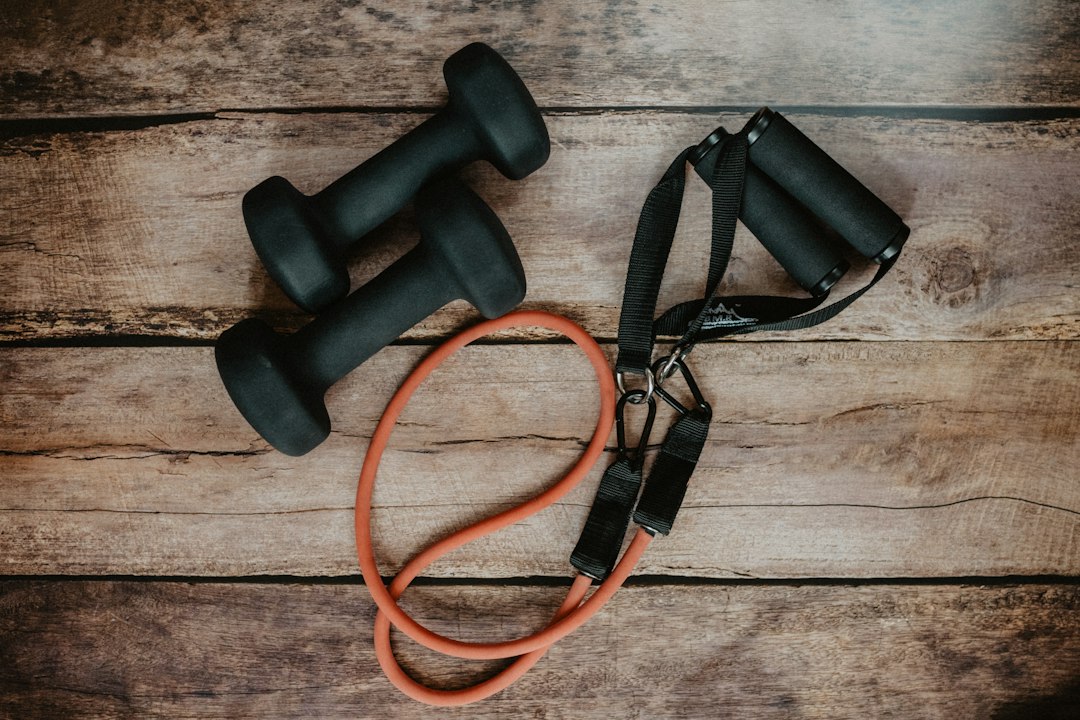
Build a versatile resistance bands home gym with expert setup, exercise, and buying tips for strength, mobility, and budget-friendly workouts at home.
A resistance bands home gym can turn a spare corner, bedroom, garage, or living room into a highly effective training space without the cost, noise, and footprint of heavy equipment. Quality bands create progressive tension that challenges muscles through presses, rows, squats, hinges, core work, and mobility drills. They are also easy to store, simple to travel with, and adaptable for beginners through advanced lifters. Whether your goal is building muscle, improving joint-friendly strength, adding variety to dumbbell workouts, or staying consistent when you cannot reach a commercial gym, resistance bands offer a practical solution. The key is choosing the right band style, using secure anchors, and following a plan that steadily increases difficulty. This guide explains how to choose a resistance band set, create a safe setup, perform effective exercises, and build a complete at-home routine that fits your goals and available space.
Why a Resistance Bands Home Gym Works
A resistance bands home gym is effective because bands provide tension throughout an exercise while allowing your joints to move naturally. Unlike a barbell, which uses the same external load at every point in a repetition, a band generally becomes more challenging as it stretches. That rising resistance can be especially useful for movements such as glute bridges, presses, rows, pull-aparts, and squats.
Bands are also remarkably space-efficient. A few handles, loop bands, and a door anchor can replace several single-purpose machines for basic movement patterns. You can train your chest, back, shoulders, arms, legs, glutes, and core with one compact kit. For apartment dwellers, the quiet nature of bands is another major advantage: there are no dropped weights, rattling plates, or large racks occupying the room.
They work well for nearly every experience level. Beginners can use lighter tension to learn control and improve stability. Experienced trainees can increase resistance, shorten the band, add repetitions, slow the tempo, or combine bands for greater difficulty. Bands are not magic, but when your sets get close to technical fatigue and you progress over time, resistance band strength training can support meaningful strength and muscle-building results.
Affiliate disclosure: As an Amazon Associate, this site may earn from qualifying purchases. Product links should be used only after comparing current features, reviews, and suitability for your training needs.
Choose the Right Resistance Band Set
The best resistance bands for home gym use depend on the exercises you want to perform. Tube-style bands with handles are familiar and convenient for standing presses, rows, curls, triceps extensions, and lateral raises. Look for covered or well-constructed tubing, comfortable handles, strong carabiners, and clearly marked resistance levels. A set with multiple bands lets you adjust load without buying separate equipment.
Flat loop bands are excellent for lower-body training, warm-ups, assisted pull-ups, mobility work, and adding resistance to squats or hip thrusts. Fabric mini bands are often comfortable around the thighs for glute-focused work, while latex mini loops are compact and versatile for rehabilitation-style drills. Long power bands are the most adaptable option for rows, deadlifts, pulldowns, push-ups, squats, and assisted bodyweight exercises.
For a balanced setup, prioritize a resistance band set that includes several tension levels, handles, ankle straps, and a reliable door anchor. If you are buying only one type, long loop bands provide the greatest exercise variety. Avoid choosing solely by color because resistance ratings vary by brand. Instead, check the stated resistance range, band length, material, attachment system, and customer feedback about durability.
A practical starter collection includes light, medium, heavy, and extra-heavy options. The lightest band should allow controlled shoulder and mobility work, while the heavier options should challenge your rows, presses, squats, and hinges. Before purchasing, check the price, compare included accessories, and confirm that replacement bands are available if needed.
Set Up Your Home Gym Safely
Safety starts with inspecting every band before each session. Look for cracks, nicks, fraying, thinning material, loose stitching, damaged clips, or worn handles. Do not use a band that appears compromised. Resistance bands store elastic energy, so a damaged band can snap back unexpectedly. Keep bands away from sharp edges, rough concrete, excessive heat, direct sunlight, and oil-based products that may degrade the material.
A door anchor expands your training options dramatically, but it must be installed correctly. Place the anchor on the hinge side of a solid, fully closed door whenever possible. Lock the door if available, and position yourself so you pull against the door closing direction rather than pulling it open. Test the setup with gentle tension before beginning a set. Never anchor to lightweight furniture, unstable fixtures, glass doors, or objects that can move.
Reserve a small clear area where you can step forward, backward, and sideways without tripping. A yoga mat can improve comfort during floor exercises, although it is not required. Keep your bands organized in a basket or wall-mounted storage bag so they are easy to find and less likely to become tangled.
Good technique matters more than chasing maximum tension. Start each movement slowly, keep your core braced, and stop the set if your form changes significantly. Use a controlled return instead of allowing the band to pull you back. This approach protects your joints and ensures the target muscles—not momentum—do the work.
Essential Resistance Band Exercises for Full-Body Training
A complete home resistance band workout should cover the major movement patterns: squat, hinge, push, pull, single-leg work, and core stability. Begin with a banded squat by standing on a long band and holding the other end near shoulder height. Sit down under control, keep your knees tracking over your toes, and drive through your feet to stand. To train the posterior chain, perform a banded Romanian deadlift by standing on the band, hinging at the hips, and maintaining a neutral spine.
For upper-body pushing, use a chest press with the band anchored behind you at chest level. Press forward without flaring your elbows excessively, then return slowly. An overhead press can be performed by standing on the band and pressing handles or loops from shoulder height overhead. For pulling movements, a seated or standing row with the band anchored in front of you is a staple. Pull your elbows toward your ribs and pause while squeezing your shoulder blades together.
Add face pulls or pull-aparts for upper-back and shoulder health. Biceps curls, triceps pressdowns, and lateral raises can provide focused arm and shoulder work with light-to-moderate tension. For lower body, place loop bands above the knees for lateral walks, glute bridges, clamshells, and squat variations. These movements are useful for targeting the glutes while improving hip stability.
For core training, try Pallof presses using a side-mounted anchor. Stand sideways to the anchor, hold the band at your chest, and press straight out while resisting rotation. This trains the core to stabilize rather than merely bend. Choose five to seven exercises per session and keep the routine simple enough to repeat consistently.
A Simple Weekly Plan for Progress
Train your resistance bands home gym routine three days per week on nonconsecutive days. Start with two to three sets of 8 to 15 repetitions for most exercises. For smaller movements such as lateral raises, pull-aparts, and glute work, 12 to 20 controlled repetitions may be more appropriate. Rest for roughly 45 to 90 seconds between sets, depending on the difficulty of the movement and your conditioning.
A straightforward full-body session might include banded squats, Romanian deadlifts, chest presses, rows, overhead presses, lateral walks, and Pallof presses. On the next session, swap in reverse lunges, glute bridges, pulldowns, push-ups with band resistance, curls, triceps extensions, and face pulls. This variation keeps training engaging while still practicing the same foundational patterns.
Progressive overload is the principle that makes your workouts continue working. When you can perform the top end of your repetition range with clean form, increase tension by moving to a stronger band, combining two bands, stepping farther away from the anchor, or slowing the lowering phase. You can also add a set, but do not increase everything at once.
Track your band color or resistance level, anchor position, repetitions, and perceived effort in a notebook or app. Aim to finish most working sets with one to three good repetitions left in reserve. If a set feels too easy, adjust the setup. If you cannot control the return, reduce tension. Consistency and measurable progression matter far more than having a large collection of equipment.
FAQ
- Can resistance bands build muscle at home?
- Yes. Resistance bands can support muscle growth when exercises are performed with enough tension, controlled technique, sufficient volume, and progressive overload. Work close to technical fatigue, use a range of resistance levels, and gradually increase difficulty through stronger bands, more repetitions, slower tempo, or improved leverage.
- What bands should beginners buy for a home gym?
- Beginners should choose a resistance band set with multiple tension levels rather than one heavy band. A useful starter kit includes light and medium bands for upper-body work, heavier bands for legs and rows, plus handles, ankle straps, and a door anchor. Long loop bands are especially versatile for full-body training.
- Are door anchor exercises safe?
- Door anchor exercises can be safe when the anchor is placed on a sturdy, fully closed door, ideally on the hinge side. Check that the door is secure, test the band with light tension, and pull in a direction that will not open the door. Inspect both the anchor and band before every workout.
- How often should I use resistance bands?
- Most people can complete a full-body home resistance band workout two to four times weekly. Beginners often do best with three nonconsecutive sessions. You may also use light bands daily for mobility, activation, and gentle recovery work, provided sore muscles and joints receive adequate rest.
Conclusion
A well-planned resistance bands home gym gives you a flexible, affordable way to train consistently without sacrificing an entire room to equipment. Start with versatile bands, a secure anchor, and enough resistance options to challenge both upper- and lower-body movements. Focus on the basics: squat, hinge, push, pull, carry or stabilize, and train your core. Then make small, measurable improvements from week to week by adding tension, repetitions, control, or sets. The best setup is not necessarily the largest or most expensive one; it is the one you will use regularly and safely. Review your available space, training goals, and preferred exercises before selecting your equipment. When you find a suitable kit, check the price, read current buyer feedback, and choose a resistance level range that supports long-term progression. Build your routine today, stay patient with the process, and make your home workouts a dependable part of your fitness plan.
— Enjoyed this? Pass it on
— Want to build your own?
Publish articles like this in 90 seconds.
The whole terminal — AI writer, PA-API sync, refresh radar, auto-tweets — free for the first 3 articles.
Try for free