— amazon · Fitness
Resistance Bands Home Gym: Build a Powerful Setup
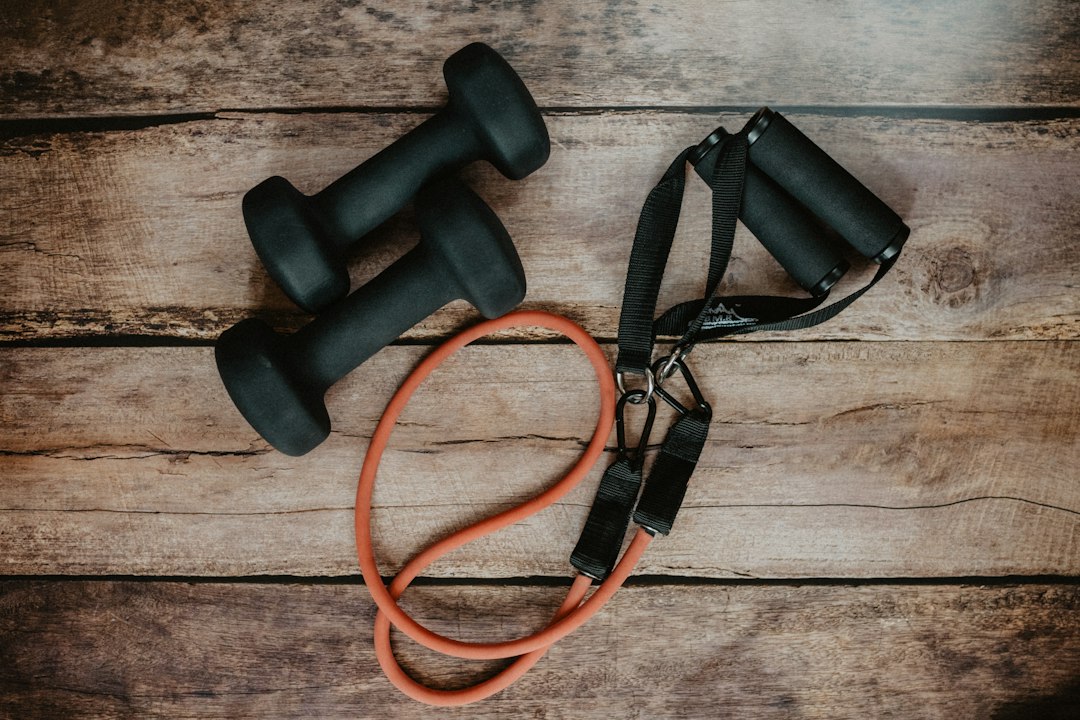
Create a resistance bands home gym with buying tips, setup ideas, workouts, and Amazon gear guidance for flexible, effective strength training at home.
A resistance bands home gym can turn a small bedroom, apartment corner, garage, or travel bag into a surprisingly capable training space. Unlike large machines, bands are affordable, lightweight, quiet, and easy to store, yet they can challenge your muscles through pressing, pulling, squatting, hinging, and core work. The key is choosing the right band styles, anchors, and resistance levels for your goals instead of buying a random bundle with accessories you will never use. Whether you want to build strength, maintain muscle, improve mobility, or add low-impact conditioning to your routine, a well-planned band setup gives you plenty of options. This guide explains what to buy, how to set it up safely, and how to use it for productive full-body sessions. As an Amazon Associate, this site may earn from qualifying purchases, at no additional cost to you.
Why a Resistance Bands Home Gym Works
Resistance bands create tension as they stretch, so the exercise usually becomes harder near the end of the movement. That resistance profile can make bands especially useful for presses, rows, glute exercises, shoulder work, and assistance exercises. A resistance bands home gym is also highly scalable: use a lighter band for warm-ups and technique practice, then combine bands or move farther from the anchor when you need more challenge.
For home training, the practical advantages are hard to ignore. Bands take up very little floor space, make almost no noise, and can be packed away in a drawer. They are also useful alongside dumbbells, kettlebells, or bodyweight training because they add resistance in directions that free weights may not. For example, a band can create horizontal tension for standing chest presses or face pulls without needing a cable machine.
Still, bands are not magic. Resistance ratings vary by brand, and the stated maximum resistance may not feel identical from one product to another. Progress comes from consistent training, controlled reps, good range of motion, and gradually increasing tension, volume, or exercise difficulty. Think of bands as flexible training tools rather than exact replacements for every barbell movement.
Essential Gear for Your Home Band Setup
Start with a small collection that covers multiple movement patterns. The most versatile setup includes long tube bands with handles, fabric or latex mini bands, and loop resistance bands. Long handled bands work well for presses, rows, curls, triceps extensions, and pulldown variations. Flat mini bands are excellent for glute activation, lateral walks, and lower-body warm-ups. Larger continuous loops can be used for assisted pull-ups, squats, deadlifts, and mobility drills.
A reliable door anchor kit expands your exercise selection dramatically. It lets you set a secure attachment point high, mid-level, or low on a closed door for pulldowns, chest presses, rows, and leg curls. Look for a thick anchor strap, a padded stopper, sturdy stitching, and clear usage instructions. Never anchor a band to a damaged door, loose handle, unstable furniture, or anything with sharp edges.
Useful extras include ankle straps, handles with comfortable grips, a carabiner system, and a storage bag. If you prefer a single compact solution, adjustable resistance bands with stackable tubes can make it easier to change tension between exercises. Before buying, review the listed resistance range, included accessories, customer feedback, and return policy. You can also check the price on comparable kits to determine whether a larger bundle actually provides useful value.
How to Choose the Right Resistance Levels
The best band resistance depends on the exercise, your current strength, and the band’s starting length. A band that feels perfect for biceps curls may be far too light for rows and too heavy for lateral raises. For that reason, a set with several resistance levels is more practical than one extremely heavy band.
For most beginners, choose light, medium, and heavy options for upper-body work, plus at least one stronger loop for lower-body exercises. You should be able to perform roughly 8 to 15 controlled repetitions while keeping good posture and leaving one to three repetitions in reserve. If a band forces you to shorten the range of motion, twist your body, or snap through reps, reduce tension. If you can easily perform 20 or more slow reps, increase tension by stepping farther away from the anchor, using a stronger band, or pairing two compatible bands.
Quality matters because bands experience repeated stretching. Inspect them before every session for nicks, cracks, frayed stitching, damaged handles, or weak connectors. Replace worn equipment promptly. Avoid storing latex bands in direct sunlight, extreme heat, or damp areas, and clean them according to the manufacturer’s instructions. These small habits help your home gym resistance bands last longer and make training safer.
Set Up Your Resistance Bands Home Gym Safely
Choose an open training area where you can extend your arms and step backward without hitting furniture. A non-slip mat can make standing movements more comfortable, while a mirror or phone camera can help you check form. Keep bands away from rough concrete, sharp corners, radiators, and pet claws. When using an anchor, test the setup with gentle tension before beginning your working set.
For door-based exercises, place the anchor on the opposite side of the door from where you are standing. Close the door fully and, when possible, lock it so another person cannot unexpectedly open it. Pull in the direction that keeps the door pressed into its frame. A high anchor suits pulldowns and triceps pressdowns; a chest-height anchor suits rows and presses; a low anchor works for curls, deadlift variations, and leg work.
Maintain steady tension and avoid allowing a band to recoil. Use slow, controlled repetitions, especially on the return phase. Keep your wrists neutral, brace your midsection, and stop if you feel sharp pain or if the anchor shifts. If you are recovering from an injury, pregnant, or managing a medical condition, consult a qualified healthcare professional before starting a new exercise program.
A Simple Full-Body Resistance Band Workout
This efficient resistance band workout can be performed two or three times per week on nonconsecutive days. Begin with five minutes of easy marching, arm circles, bodyweight squats, and light band pull-aparts. Select resistance that makes the final few repetitions challenging without compromising form.
- Band squat: Stand on a loop or tube band and hold the handles near shoulder height. Perform 3 sets of 10 to 15 reps.
- Standing chest press: Use a mid-height door anchor behind you. Press forward with control for 3 sets of 8 to 15 reps.
- Seated or standing row: Anchor the band in front of you, pull elbows toward your ribs, and complete 3 sets of 10 to 15 reps.
- Romanian deadlift: Stand on the band, hinge at the hips, and squeeze the glutes to stand. Perform 3 sets of 10 to 15 reps.
- Overhead press: Stand on the band and press from shoulder level overhead for 2 to 3 sets of 8 to 12 reps.
- Glute lateral walk: Place a mini band above the knees or around the ankles and take 2 to 3 sets of 10 steps each direction.
Rest 45 to 90 seconds between sets. Progress by adding repetitions first, then increasing band tension or adding a set. Record the band used, anchor position, and repetitions so your progress is measurable rather than based on guesswork.
FAQ
- Can resistance bands build muscle at home?
- Yes. Resistance bands can support muscle growth when sets are challenging, technique is controlled, and you progressively increase resistance, repetitions, range of motion, or total training volume. Train major muscle groups consistently and support your workouts with adequate protein, sleep, and recovery.
- What bands should beginners buy first?
- A beginner-friendly set usually includes light, medium, and heavy tube bands with handles, plus mini bands and one or two larger loop resistance bands. This combination covers pressing, pulling, lower-body work, mobility, and warm-ups without requiring a large amount of equipment.
- Are door anchors safe for resistance bands?
- A door anchor can be safe when it is designed for resistance bands, attached to a solid closed door, and used from the correct side of the door. Inspect the anchor and band before each workout, test it with light tension, and do not use damaged doors, weak hinges, or unstable attachment points.
- How do I make band exercises harder?
- Use a stronger band, step farther from the anchor, shorten the band’s starting length when safe, add repetitions, slow the lowering phase, or combine compatible bands. Increase difficulty gradually and keep the same controlled form rather than relying on momentum.
Conclusion
A resistance bands home gym is one of the simplest ways to train consistently when space, budget, or time is limited. With a few resistance levels, a secure anchor, and a clear routine, you can work every major muscle group without filling your home with bulky equipment. Focus first on quality bands that match your current ability, then build a repeatable plan around squats, hinges, presses, rows, and core stability. Track your repetitions and tension choices so you can make steady progress from week to week. Remember that safe anchoring and regular equipment checks matter just as much as choosing the right resistance. Ready to create a compact training space that fits your lifestyle? Compare a few well-reviewed band sets, confirm the included accessories, and check the price before choosing the setup that best supports your goals.
— Enjoyed this? Pass it on
— Want to build your own?
Publish articles like this in 90 seconds.
The whole terminal — AI writer, PA-API sync, refresh radar, auto-tweets — free for the first 3 articles.
Try for free