— amazon · Fitness
Best Resistance Bands Home Gym Setup: Buyer’s Guide
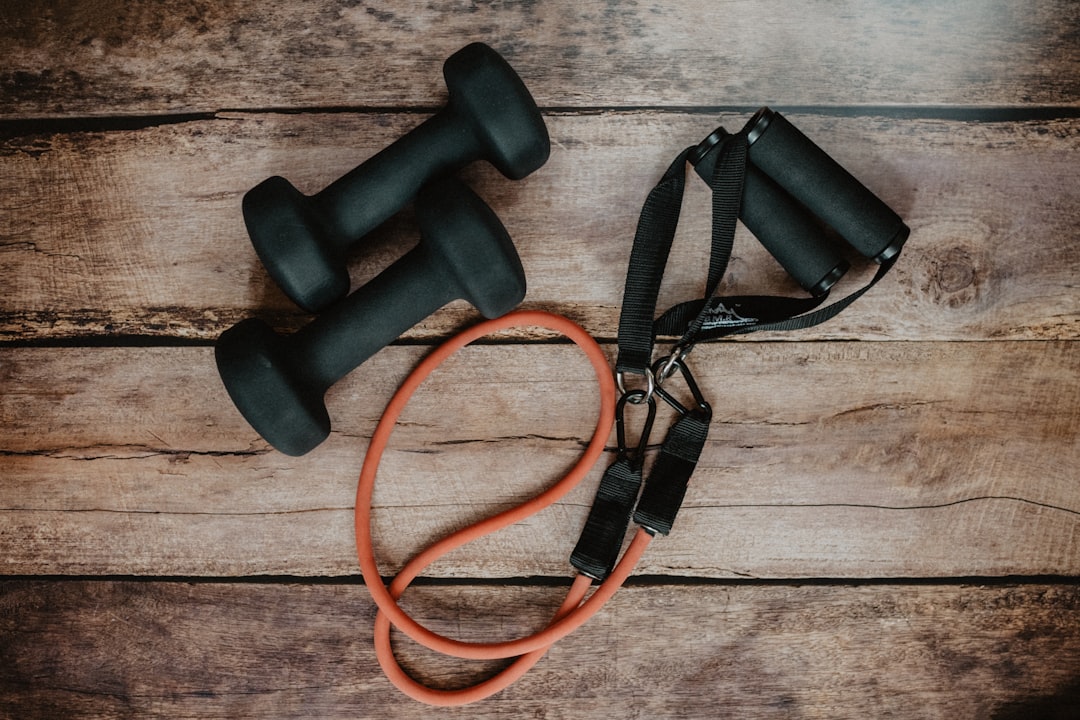
Build a versatile resistance bands home gym with this buyer’s guide to band types, accessories, workouts, and Amazon picks for every budget and goal today.
Creating a resistance bands home gym is one of the simplest ways to train consistently without dedicating a room to bulky machines. A well-chosen band system can provide challenging pushing, pulling, squatting, hinging, and core work while fitting in a drawer or travel bag. That makes it especially useful for apartment dwellers, beginners, busy parents, and lifters who want a practical backup to a commercial gym. The key is not buying the largest bundle at random. Different bands create resistance differently, and the right handles, anchors, and strength range determine whether your workouts feel smooth, safe, and progressive. This guide explains what to buy, how to compare Amazon options, and how to arrange a compact setup that supports full-body training. You will also find workout ideas, safety checks, and buying criteria that help you choose equipment you will actually use week after week with confidence at home for years ahead.
Choose the Right Types of Resistance Bands
The best resistance bands home gym usually combines one main band style with a few useful accessories. Start by choosing bands that match your training experience, available space, and preferred exercises. Although all bands provide variable resistance, their feel, attachment options, and durability can differ substantially.
Tube bands with handles
Tube-style bands are a familiar option for beginners because they often include handles, an ankle strap, and a door anchor. They work well for chest presses, rows, curls, triceps pressdowns, lateral raises, and rehabilitation movements. A resistance band set with detachable handles also lets you stack bands for more load. Look for protected connection points and metal carabiners rather than light plastic clips.
loop resistance bands
Loop resistance bands are continuous flat latex bands available in light through heavy resistance levels. Smaller loops are excellent for glute bridges, clamshells, lateral walks, and warm-ups. Longer power loops are more versatile: use them for assisted pull-ups, deadlifts, squats, rows, presses, and mobility drills. They do not require handles, take almost no room, and are especially useful if you want a minimalist setup.
Fabric bands and figure-eight bands
Fabric hip bands tend to stay in place better than thin latex loops during lower-body training, while figure-eight bands are convenient for light upper-body exercises. These are helpful additions, but they should not be the foundation of your setup if your goal is full-body progressive resistance training.
For most people, a practical starting combination is a set of long power loops, one fabric hip band, and a reliable anchor system. This covers more movement patterns than a collection of very light mini bands alone.
What to Look for in a Resistance Band Set
Not all bands are equally safe or useful. Before choosing a resistance band set on Amazon, review the specifications rather than relying only on the number of pieces in the package. A large bundle may include accessories you never use, while a smaller, better-built kit can last longer and support harder workouts.
- Resistance range: Select multiple levels so you can use lighter resistance for shoulders and heavier resistance for squats, rows, and deadlifts. Manufacturers measure resistance differently, so compare ranges within the same brand when possible.
- Material: Natural latex usually delivers a smooth stretch and strong rebound. Fabric is often more comfortable for lower-body work. If you have a latex sensitivity, choose clearly labeled latex-free alternatives.
- Length: Longer loops offer more exercise options and better leverage for tall users. Short bands are useful for activation but can feel restrictive for pressing and pulling.
- Handles and connectors: Padded handles improve comfort during high-repetition sessions. Reinforced stitching, sturdy webbing, and metal carabiners are meaningful durability features.
- Included accessories: A quality door anchor, ankle straps, and a storage bag add practical value. Avoid paying extra for gimmicks instead of better bands.
Also check recent reviews for comments about snapping, odor, handle failure, or inaccurate resistance labeling. No band is indestructible, but consistent feedback can reveal whether a product is appropriate for regular training. When comparing suitable options, check the price alongside the resistance range, warranty information, and included accessories.
Set Up Your Home Gym Safely in a Small Space
A resistance bands home gym can fit into a small bedroom, office, garage, or living room. Ideally, reserve an open area large enough to lie down and extend your arms without striking furniture. A yoga mat protects flooring, improves traction, and makes floor-based exercises more comfortable.
The most important accessory for expanding your workout selection is a door anchor. Position it only on the hinge side of a sturdy, closed door so the pulling force pushes the door into its frame. Never anchor a band to a lightweight interior door, glass surface, unstable furniture, or a door that someone could open unexpectedly. If other people are home, place a note on the opposite side before training.
Inspect bands before every workout. Look for cracks, nicks, worn stitching, frayed webbing, loose handles, and distorted carabiners. Replace damaged equipment immediately. Keep latex bands away from sharp edges, rough concrete, direct sunlight, oils, and excessive heat. Do not stretch a band beyond the manufacturer’s recommended range, and always control the return phase rather than allowing the band to snap back.
For higher-tension exercises, stand with a stable stance and wear shoes with grip. Start farther from the anchor only after you can control the movement through a full range of motion. Good setup turns compact home workout equipment into a safe, repeatable training station.
Build a Full-Body Resistance Band Workout
Bands can train every major muscle group when you organize sessions around movement patterns instead of random exercises. Since band tension increases as the band stretches, focus on controlled repetitions, full range of motion, and consistent setup distance. Train two to four days weekly, leaving recovery time for muscles that feel sore or fatigued.
Simple full-body routine
Perform two or three rounds of the following workout. Choose a resistance that leaves roughly two good repetitions in reserve at the end of each set.
- Band squat: 10 to 15 repetitions. Stand on a long loop and hold the upper portion near your shoulders.
- Standing chest press: 10 to 15 repetitions. Anchor the band behind you at chest height.
- Seated or standing row: 10 to 15 repetitions. Anchor at mid-torso height and pull your elbows toward your ribs.
- Romanian deadlift: 10 to 15 repetitions. Stand on the band, hinge at the hips, and keep your back neutral.
- Overhead press: 8 to 12 repetitions. Use a lighter band and avoid arching the lower back.
- Pallof press: 10 to 12 repetitions per side. Anchor the band at chest height and resist rotation.
Progressive overload is still possible with adjustable resistance bands. Add repetitions, slow the lowering phase, use a thicker band, combine compatible bands, increase range of motion, or reduce rest periods. Record your setup and band level so you can repeat and improve the workout next time. If a movement causes sharp pain, stop and consult a qualified health professional before continuing.
How to Shop Amazon Options With Confidence
Amazon can make it easy to compare resistance bands, but product listings change frequently. Prioritize clear product photos, detailed resistance specifications, recent verified-purchase feedback, and return terms. Look closely at whether the listed resistance is per band or the total when multiple bands are connected; this distinction matters when comparing kits.
For a beginner, a mid-priced kit with several resistance levels and a reinforced anchor is usually more useful than the cheapest option. Intermediate and advanced users may prefer thicker power loops with published dimensions, because they are easier to use for compound lifts, assisted pull-ups, and heavier lower-body training. If you plan to use bands daily, buying two frequently used resistance levels can be worthwhile.
As an Amazon Associate, this site may earn from qualifying purchases. That does not increase your price, and it is best to choose based on your training needs rather than a promotional claim. Review the current listing, confirm the package contents, and check the price before purchasing because availability and pricing can change.
FAQ
- Can resistance bands build muscle at home?
- Yes. Resistance bands can build muscle when exercises are performed close to muscular fatigue and you progressively increase challenge over time. Use heavier bands, more repetitions, slower tempo, additional sets, or greater stretch to keep workouts demanding.
- Are resistance bands better than dumbbells for a home gym?
- Neither option is universally better. Bands are cheaper, quieter, portable, and easier to store, while dumbbells provide more consistent resistance through the full range of motion. Many home exercisers get excellent results by using both.
- Do I need a door anchor for resistance bands?
- A door anchor is not required for squats, deadlifts, glute work, and some presses, but it greatly expands your exercise selection. It allows rows, chest presses, pulldowns, face pulls, and anti-rotation core exercises in a compact space.
- How long do resistance bands last?
- Lifespan depends on material, frequency of use, storage, and how far the bands are stretched. Inspect them before each session and replace any band showing cracks, tears, fraying, weakened stitching, or damaged connectors.
Conclusion
A well-planned resistance bands home gym gives you a flexible, affordable way to train strength, mobility, and conditioning without filling your home with heavy equipment. Start with bands that offer several resistance levels, then add essentials that support the exercises you want to perform most often. Long power loops, a fabric hip band, handles, and a secure door anchor can create a surprisingly complete training space. Remember that results come from consistent effort, sound technique, and gradual progression rather than from owning the biggest bundle. Inspect your equipment regularly, anchor bands carefully, and track your sessions so you can make each workout slightly more challenging. Ready to build your setup? Compare a few well-reviewed options, confirm their resistance ranges and accessories, and check the price before choosing the band system that fits your goals, space, and budget.
— Enjoyed this? Pass it on
— Want to build your own?
Publish articles like this in 90 seconds.
The whole terminal — AI writer, PA-API sync, refresh radar, auto-tweets — free for the first 3 articles.
Try for free