— amazon · Kitchen
Best Burr Coffee Grinders for Fresher Coffee at Home
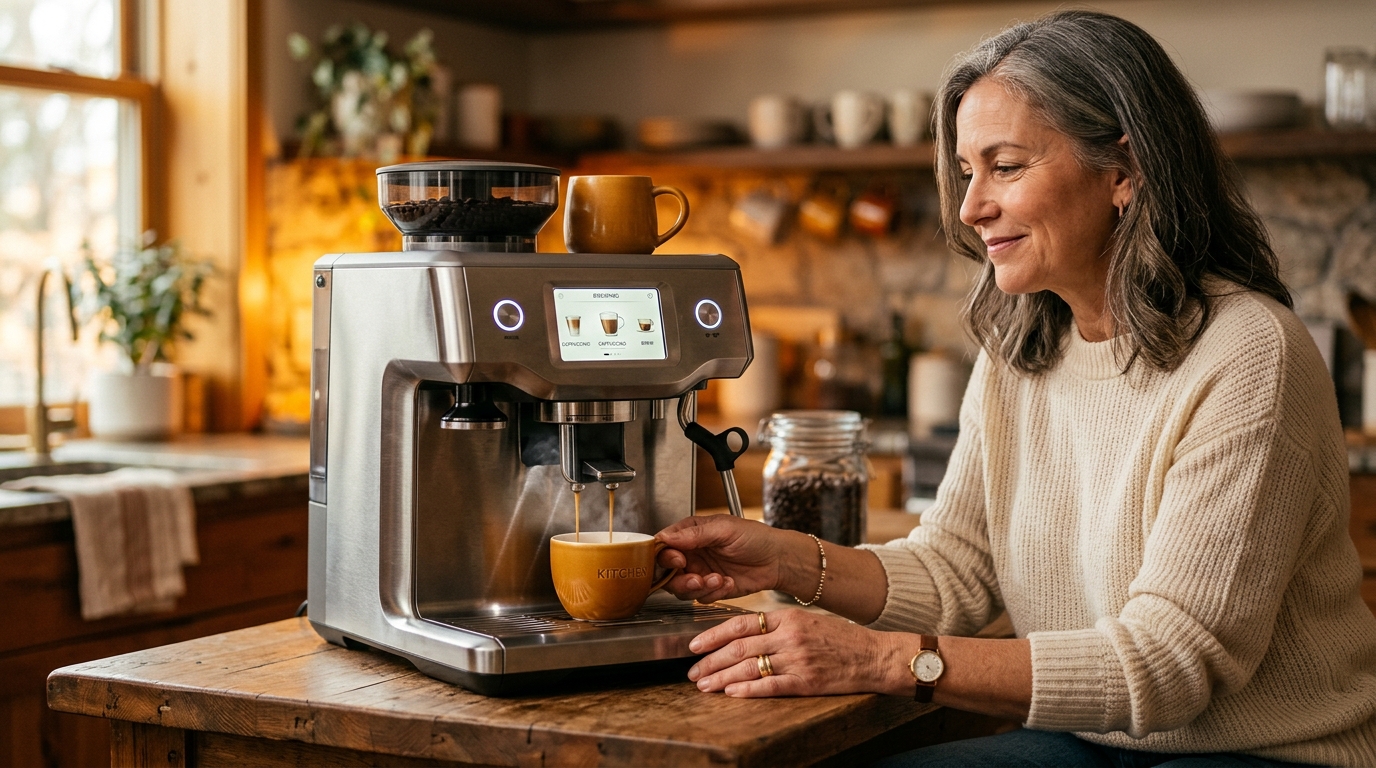
Discover burr coffee grinders for drip, espresso, and French press. Compare burr types, grind settings, features, and top picks for fresher coffee at home.
Fresh coffee starts before the water ever touches the grounds. While premium beans and a reliable brewer matter, burr coffee grinders can make the biggest difference in flavor, aroma, sweetness, and consistency. Unlike blade grinders that chop beans into uneven pieces, a burr grinder crushes coffee between two precisely spaced surfaces. The result is a more uniform grind that extracts evenly and helps prevent sour, bitter, or weak-tasting cups. Whether you make bold French press coffee, everyday drip brews, pour-over, cold brew, or espresso, choosing the right grinder helps you get more from every bag of beans. This guide explains how burr grinders work, compares conical and flat burrs, outlines the most useful features, and highlights practical options for different budgets and brewing styles. It also includes simple maintenance tips so your grinder keeps delivering fresh, dependable results.
Why Burr Coffee Grinders Make Better Coffee
Burr coffee grinders use two abrasive surfaces, called burrs, to mill beans into particles of a controlled size. One burr typically remains fixed while the other moves closer or farther away to create a finer or coarser grind. This controlled process is the main reason burr grinders are favored by home brewers and coffee professionals.
Uniform particles extract at a similar rate. When grounds are relatively even, water can pull balanced sweetness, acidity, and body from the coffee without over-extracting tiny particles or under-extracting large chunks. Blade grinders create a broad mix of powder and boulders, which often produces muddier flavor and inconsistent brew times.
A quality burr grinder also gives you repeatable control. You can use a coarse setting for French press, a medium setting for automatic drip, a medium-fine setting for pour-over, or a fine setting for espresso. That versatility makes a grinder one of the most valuable upgrades in a kitchen coffee setup.
Conical vs. Flat Burrs: What Is the Difference?
The two most common burr designs are conical and flat. A conical burr grinder uses a cone-shaped inner burr that sits inside a ring-shaped outer burr. These grinders are popular because they are often quieter, produce relatively little heat, and work well across a broad range of brew methods. They are especially common in approachable home grinders for drip coffee, pour-over, French press, and entry-level espresso.
Flat burrs use two parallel ring-shaped burrs. Coffee passes between the burrs and exits after being ground to the selected size. Flat burr coffee grinder designs are often associated with high clarity and precision, particularly for espresso or carefully dialed-in pour-over recipes. However, they can be louder, more expensive, and may retain a little more coffee inside the grinding chamber.
Neither style is automatically better for every person. Conical burrs are an excellent fit for most households seeking versatility and ease of use. Flat burrs can appeal to enthusiasts who prioritize highly consistent results and enjoy making small adjustments to improve a specific coffee recipe.
How to Choose a Burr Grinder for Your Brew Method
Start with the coffee you make most often. For French press and cold brew, prioritize a grinder with dependable coarse settings and a large enough capacity for multiple cups. For drip machines, medium grind consistency and simple timed dosing are useful. Pour-over fans should look for small, repeatable adjustments that make it easier to refine drawdown time and flavor.
If you need a coffee grinder for espresso, grind adjustment is especially important. Espresso requires very fine particles and small changes between settings can noticeably affect shot time. A stepped grinder can work for beginners, but a stepless or micro-adjustable model gives more control when dialing in different beans.
Also consider burr material, hopper size, static, noise, and cleanup. Steel burrs are durable and common in both entry-level and premium models. Ceramic burrs are also durable but are more frequently found in hand grinders. A removable hopper and grounds bin simplify cleaning, while low-retention designs are helpful if you switch beans often. Finally, choose a machine that fits your counter space and daily routine rather than paying for features you will not use.
Popular Burr Grinder Options for Different Budgets
For a flexible all-rounder, the Baratza Encore ESP is worth considering for households that brew both filter coffee and espresso. Its adjustment range is designed to make movement between coarse and fine settings more manageable than many basic grinders. It is a practical option for someone who wants room to explore multiple brew styles without buying separate equipment.
The OXO Brew Conical Burr Grinder is a user-friendly choice for daily drip coffee and simple pour-over routines. Features such as timed grinding and an intuitive control layout can be helpful when you want consistent morning coffee without a complicated workflow. It is best suited to users who value convenience and reliable medium-grind performance.
The Fellow Opus offers a compact, modern option with a broad stated grind range. Its design can appeal to coffee drinkers who need one grinder for cold brew, drip, pour-over, and occasional espresso experimentation. As with any grinder used for espresso, expect to spend time learning its adjustment system and testing small changes.
Before purchasing through Amazon, review the current product specifications, included accessories, and customer feedback. Product availability and features can change. This article contains affiliate links, which means we may earn a commission from qualifying purchases at no additional cost to you. When comparing options, use the product page to check the price, verify dimensions, and confirm that the grinder matches your preferred brew method.
Grind Settings and Maintenance Tips
A useful starting point is coarse for French press, medium-coarse for many pour-over brewers, medium for drip machines, medium-fine for AeroPress recipes, and fine for espresso. These are starting points rather than fixed rules. Coffee freshness, roast level, dose, water temperature, and brewing device all affect the ideal setting.
To keep burr coffee grinders performing well, brush loose grounds from the burr chamber every one to two weeks if you brew daily. Empty the hopper before cleaning, unplug an electric grinder, and follow the manufacturer instructions for removing burrs. Avoid washing steel burrs with water unless the brand specifically permits it, since moisture can lead to rust. A grinder-cleaning tablet can help remove coffee oils periodically, but it does not replace brushing out trapped grounds.
Store beans in an airtight container away from heat and light instead of filling the hopper for weeks at a time. Grinding only what you need immediately before brewing protects aroma and reduces stale-tasting coffee.
FAQ
- Are burr coffee grinders better than blade grinders?
- For most brewing methods, yes. Burr coffee grinders produce more even particles and allow you to select a repeatable grind size. That consistency supports more balanced extraction. Blade grinders are less expensive, but they chop beans unevenly and offer limited control over the final grind.
- What grind size should I use for French press coffee?
- Use a coarse grind that resembles coarse sea salt. If the coffee tastes weak, try a slightly finer setting or a longer steep. If it tastes overly bitter or has too much sediment, use a coarser setting and ensure your French press filter is clean.
- Can a conical burr grinder make espresso?
- Many conical burr grinders can grind fine enough for espresso, but results depend on the adjustment range and precision of the model. For frequent espresso brewing, choose a grinder with fine or micro-adjustments so you can make small changes to shot timing and flavor.
- How often should I clean a burr grinder?
- Brush out loose grounds every one to two weeks for regular use and perform a deeper cleaning every one to three months. If you use dark, oily beans or notice stale flavors, static, clumping, or slower grinding, clean the burr chamber sooner.
Conclusion
A dependable burr grinder is one of the simplest ways to improve homemade coffee without changing your favorite beans or brewer. By producing more even grounds, burr coffee grinders give you greater control over extraction, making it easier to create sweeter, clearer, and more satisfying cups. Choose a conical burr model if you want broad versatility, straightforward operation, and a practical everyday workflow. Consider flat burrs or highly adjustable espresso-focused models when precision is your main goal. Think first about your usual brew method, available counter space, desired capacity, and willingness to adjust settings. Then select a grinder that supports your routine instead of adding unnecessary complexity. Review the Baratza Encore ESP, OXO Brew Conical Burr Grinder, and Fellow Opus options, compare their current features, and check the price on Amazon before making your choice. Freshly grinding just before brewing is a habit your coffee will reward every day.
— Enjoyed this? Pass it on
— Want to build your own?
Publish articles like this in 90 seconds.
The whole terminal — AI writer, PA-API sync, refresh radar, auto-tweets — free for the first 3 articles.
Try for free