— amazon · Waterproof Mattress Protectors
Waterproof Mattress Protector Review: Best Picks for 2026
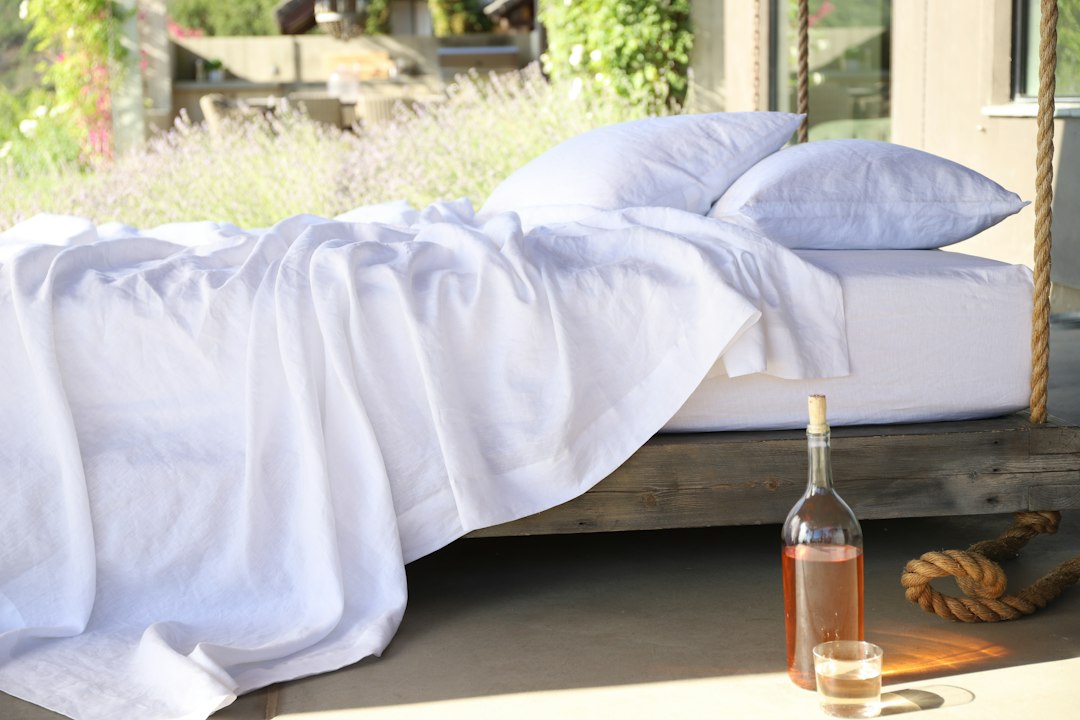

Our waterproof mattress protector review compares fit, cooling, materials, and value so you can choose a comfortable, leak-resistant bed layer today confidently.
A quality mattress is expensive, difficult to clean, and surprisingly vulnerable to everyday accidents. Spilled coffee, nighttime sweating, pet messes, potty-training leaks, and illness can all reach the mattress surface faster than most people expect. That is why a dependable waterproof protector is one of the simplest upgrades you can make for a cleaner, longer-lasting bed. In this waterproof mattress protector review, we compare the features that actually matter: waterproof barrier design, breathability, noise level, pocket depth, washability, and overall value. The best option is not always the thickest or most expensive one. Instead, it should fit securely, feel comfortable beneath your sheets, and protect without trapping excessive heat. Whether you are outfitting a child’s bed, protecting a new memory-foam mattress, or managing allergy concerns, this guide will help you narrow down the right waterproof bed cover for your sleep style and budget.
What Makes a Waterproof Mattress Protector Worth Buying?
A waterproof mattress protector sits between your fitted sheet and mattress. Its job is to block liquid, sweat, skin oils, and common allergens before they can soak into the mattress. Unlike a bulky vinyl cover, most modern protectors use a thin polyurethane membrane beneath a soft fabric surface. This construction can stop moisture while remaining more flexible and breathable than older plastic-style covers.
The biggest benefit is mattress preservation. Moisture can lead to stains, odors, and an environment that supports dust mites. A protector cannot eliminate every allergy trigger, but a washable barrier makes routine bed hygiene much easier. It may also help you meet mattress warranty care requirements, since many brands exclude damage caused by stains or spills.
Look beyond the word “waterproof” on the package. A useful protector should have a secure elasticized skirt, sufficient pocket depth, and a surface that does not crinkle whenever you turn over. For hot sleepers, breathability matters just as much as leak protection. A thin, smooth protector is generally less noticeable under sheets and less likely to change the feel of your mattress.
Key Features to Compare Before You Buy
Start with the protector style. Fitted-sheet protectors cover the top and sides of the mattress and are the easiest choice for most households. Encasement protectors zip around all six sides, providing more complete coverage for mattresses in storage, homes with bed bug concerns, or people focused on allergy management. Pads add a layer of cushioning, while thin protectors prioritize preserving the original mattress feel.
Next, measure your mattress depth. Standard mattresses often fit 12- to 15-inch pockets, but pillow-top, hybrid, and adjustable-bed mattresses can require deep pocket mattress protector designs that stretch to 18 inches or more. A loose skirt can bunch under the sheet, while an undersized model may pop off at the corners.
Material affects comfort. Terry cotton feels absorbent and familiar but may sleep warmer. Jersey knit offers a softer, T-shirt-like texture. Rayon derived from bamboo is often chosen for a smooth feel, although “bamboo” does not automatically guarantee a cooler sleep experience. Check whether the waterproof layer is polyurethane rather than PVC or vinyl if reducing crinkling and chemical odor is a priority.
Finally, read care instructions. Most families need a machine-washable protector that can be tumble dried on low heat. High heat can damage waterproof membranes over time, so following the label is important for preserving performance.
Waterproof Mattress Protector Review: Popular Amazon Options
The SafeRest Premium Mattress Protector is a popular fitted style for shoppers who want a straightforward balance of protection, soft surface fabric, and broad size availability. It is designed with a cotton terry top and a waterproof membrane, making it a practical choice for everyday spills, sweat, and children’s accidents. Its thin profile is especially appealing if you do not want to noticeably alter the firmness of a memory-foam or hybrid mattress. Before ordering, confirm the listed pocket depth against your mattress measurement.
The Utopia Bedding protector is typically positioned as a budget-friendly option. It can be a sensible pick for guest rooms, dorms, rental properties, or households buying multiple protectors at once. Budget models are worth considering when the fit is correct, but inspect customer feedback for details on corner grip, drying performance, and whether the surface meets your expectations for softness. A lower price is valuable only if the protector stays in place and survives repeated wash cycles.
For shoppers who prefer a quilted surface and a little extra plushness, a Linenspa protector may be worth comparing. Quilted waterproof pads can soften the feel of a firm mattress, though they are often thicker than a basic barrier protector. That added loft can be welcome on a guest bed, but hot sleepers may prefer a thinner, less padded design.
Amazon listings, colors, sizes, prices, and warranties can change, so compare the current specifications rather than relying on a product name alone. Pay attention to the exact size, especially for California king, split king, crib, and RV mattresses. As an Amazon Associate, I earn from qualifying purchases, at no extra cost to you.
How to Choose the Best Protector for Your Sleep Needs
Parents and caregivers should prioritize a fully waterproof layer, easy washing, and a snug fitted skirt. Buying two protectors can be especially convenient: one stays on the bed while the other is being washed after an accident. For pets, choose a protector with strong corner elastic and confirm that the waterproof layer covers the sleeping surface completely.
Hot sleepers should favor a thin cooling mattress protector with a breathable knit top and a low-profile membrane. No waterproof barrier is identical to sleeping directly on a bare mattress, but a well-made polyurethane design generally feels less clammy than vinyl. Use breathable cotton or percale sheets to further improve airflow.
For allergy-focused households, consider a six-sided encasement with a secure zipper and tightly woven fabric. It can help create a removable barrier around the entire mattress. However, it should be part of a larger cleaning routine that includes laundering bedding, vacuuming, and managing room humidity.
If protecting a premium mattress is your main goal, prioritize fit and verified care instructions over extra padding. A protector that shifts, tears, or cannot be washed easily will create more frustration than protection. Read recent reviews for your specific mattress size, because fit can vary across queen, king, and deeper pillow-top versions.
Care Tips That Help Your Protector Last
Wash a new protector before first use if the manufacturer permits it. This can remove packaging odors and make the fabric feel softer. For regular care, wash it with mild detergent in cool or warm water and avoid bleach unless the label specifically allows it. Fabric softener may leave residue that affects absorbency or breathability.
Dry on low heat or air dry when possible. Excessive heat is one of the most common reasons waterproof membranes become brittle, peel, or lose effectiveness. Do not iron the protector. If a large spill occurs, strip the bed promptly and wash the protector before liquid has time to sit on the surface.
Inspect the membrane and seams every few months, particularly after frequent laundering. Replace the protector if you notice cracking, persistent odor, damage, or leaks. When comparing replacements, use the opportunity to check the price, verify pocket depth, and select a style better matched to your current mattress and sleep temperature.
Frequently Asked Questions
- Do waterproof mattress protectors make noise?
- Older vinyl products often crinkled, but many modern polyurethane protectors are quiet when properly fitted. Thin knit-top models usually make less noise than stiff plastic-backed covers. Reading recent reviews for your mattress size is the best way to identify potential noise concerns.
- Will a waterproof mattress protector make me sleep hot?
- Any barrier can slightly reduce airflow, but breathable polyurethane membranes and thin fabric tops tend to sleep cooler than vinyl. Hot sleepers should choose a low-profile protector, use breathable sheets, and avoid heavily padded styles unless extra cushioning is the priority.
- Can I put a mattress pad over a waterproof protector?
- Yes. Place the waterproof protector directly on the mattress, then add a mattress pad or topper above it if desired. This arrangement keeps spills from reaching the mattress while allowing you to adjust comfort with a separate padded layer.
- How often should I wash a waterproof mattress protector?
- For normal use, wash it every one to two months and immediately after spills, illness, or accidents. Households with pets, young children, or significant allergy concerns may prefer more frequent washing. Always use the product label as the final care guide.
Conclusion
The right waterproof mattress protector should protect your investment without making your bed feel stiff, noisy, or overly warm. Start by measuring mattress depth, then choose between a simple fitted protector, a plush waterproof pad, or a full encasement based on your household’s needs. The SafeRest Premium Mattress Protector is a strong everyday option to compare if you want a thin, practical barrier, while budget and quilted alternatives may suit guest rooms or firmer beds. Focus on breathable materials, reliable elastic, machine-washable care, and recent size-specific feedback before placing an order. A well-fitted protector is far less expensive than replacing a stained mattress, and it makes cleanup after life’s inevitable spills much easier. Review the latest specifications, read verified buyer feedback, and check the price on the size you need before choosing your best waterproof bed cover.
— Enjoyed this? Pass it on
— Want to build your own?
Publish articles like this in 90 seconds.
The whole terminal — AI writer, PA-API sync, refresh radar, auto-tweets — free for the first 3 articles.
Try for freeContinue reading
Waterproof Mattress Protectors
The Complete Guide to breathable mattress protector India in 2026
Waterproof Mattress Protectors
The Complete Guide to mattress protector for kids India in 2026
Waterproof Mattress Protectors
The Complete Guide to waterproof mattress cover king size in 2026
Waterproof Mattress Protectors