— amazon · Fitness
Resistance Bands Home Gym: Complete Setup Guide
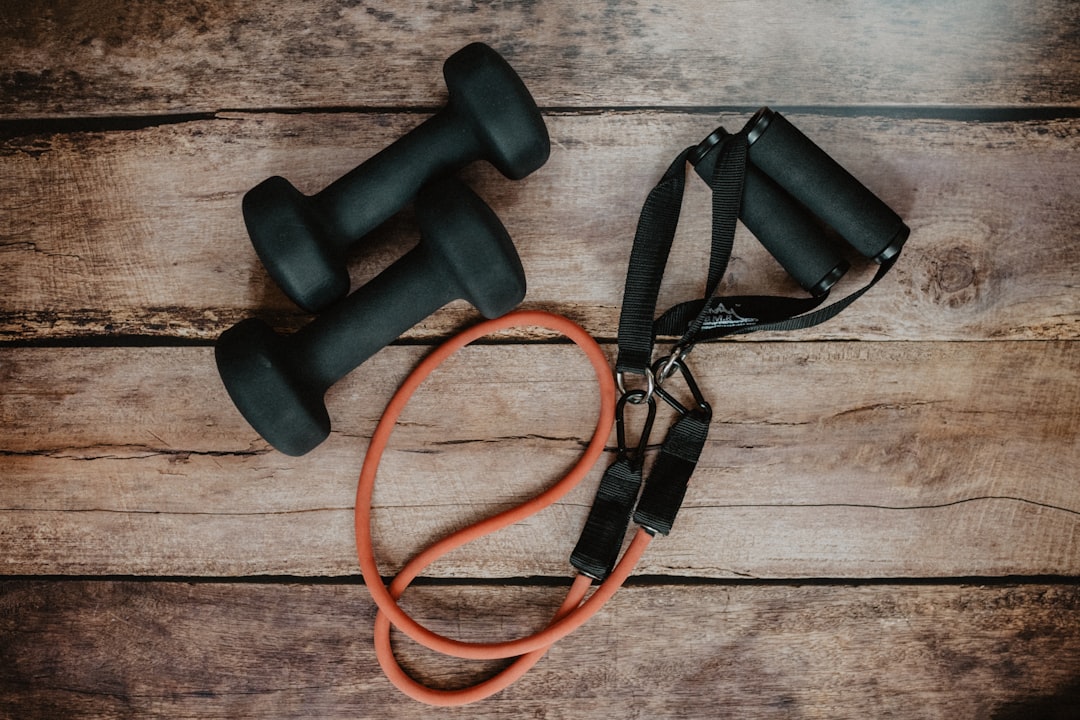
Build a versatile resistance bands home gym with expert tips on band types, workouts, safety, and Amazon picks for every fitness level and budget at home.
A resistance bands home gym can turn a spare corner, bedroom, garage, or travel bag into a practical training space. Unlike bulky machines, bands provide variable resistance: tension increases as the band stretches, challenging muscles through a wide range of motion. They are affordable, quiet, easy to store, and useful for beginners, athletes, and anyone rebuilding strength after time away from exercise. The best setup is not necessarily the one with the most accessories. It is the one that gives you enough resistance, secure anchor points, and movements you will perform consistently. This guide explains which bands matter most, how to choose a reliable kit, how to arrange your space, and how to train safely. You will also find simple buying criteria for comparing Amazon options without paying for extras you may never use. With a smart plan, small equipment can support seriously effective full-body workouts.
Why Build a Resistance Bands Home Gym?
A resistance bands home gym is ideal when space, budget, or convenience makes traditional equipment difficult. Bands can train the major movement patterns: squat, hinge, push, pull, carry, rotation, and anti-rotation. A single kit can support rows, presses, deadlift variations, glute work, assisted pull-ups, mobility drills, and core training.
The key advantage is progressive tension. A band is easiest near its resting length and becomes harder as it elongates. That can make exercises such as glute bridges, lateral walks, chest presses, and rows feel challenging without a rack of weights. Bands also create resistance from different angles, which is helpful for training in limited space.
They do have limits. Resistance labels are not standardized between brands, and very strong lifters may eventually need dumbbells, a barbell, or cables for maximum loading. Still, bands are excellent as a primary starter gym, a supplement to free weights, or a portable backup. For most households, a few well-chosen bands and a safe attachment point offer more usable exercise variety than a single specialty machine.
Affiliate disclosure: This article may contain Amazon Associates affiliate links. If you buy through a qualifying link, we may earn a commission at no extra cost to you.
The Essential Bands and Accessories to Buy
Start with a balanced kit rather than purchasing every style available. Different band formats solve different training problems, so selecting two or three types creates a more complete setup.
- long loop bands: These flat, continuous bands are the most versatile choice for pull-up assistance, rows, presses, deadlifts, squats, and mobility. Look for a range of light through heavy resistance rather than one extra-heavy band.
- Tube bands with handles: Handle-equipped tubes feel familiar for people used to cable machines. They are convenient for curls, presses, flyes, triceps extensions, and rows. Choose models with reinforced connection points and comfortable handles.
- fabric hip bands: These short, wide bands are useful for glute bridges, squats, lateral walks, and warm-ups. Quality fabric hip bands are less likely to roll or pinch than thin latex mini bands.
- door anchor: A padded door anchor expands your exercise menu dramatically. It enables high, middle, and low attachment positions for pulldowns, chest presses, face pulls, and leg work.
When comparing Amazon resistance band sets, prioritize clear resistance ranges, durable layered construction, a storage bag, and instructions. A set that includes a door anchor and multiple resistance levels is generally more useful than a kit loaded with gimmicky accessories. Before you check the price, confirm that the listed resistance is appropriate for your current strength and intended exercises.
How to Set Up Your Space Safely
You need surprisingly little room to create a functional training area. Reserve enough open floor space to lie down, step backward for rows, and extend your arms without striking furniture. A yoga mat, stable shoes, and a nearby mirror or phone camera for form checks can make training more comfortable.
Your anchor setup deserves the most attention. Use a door anchor only on a solid, closed door that opens away from you. Place the anchor on the opposite side of the door, close and lock it, then pull gently to test it before every set. Never attach a band to glass, lightweight furniture, a loose railing, sharp edges, or a door that someone could unexpectedly open.
Inspect every band before use. Replace it if you see cracks, thinning, frayed fabric, damaged stitching, deformed clips, or worn handles. Keep latex away from direct sunlight, hot cars, oils, and abrasive surfaces. Do not stretch a band farther than the manufacturer recommends, and wear eye protection if you are using high tension near your face. Controlled repetitions are safer and more productive than snapping through a movement.
For a simple layout, store loop bands on hooks or in a drawer, keep your door anchor in the same bag, and use a small basket for handles and attachments. Easy access removes a common excuse for skipped workouts.
A Full-Body Resistance Band Workout Plan
Train two to four nonconsecutive days per week, depending on your experience and recovery. Begin each session with five minutes of easy movement, shoulder circles, bodyweight squats, and light band pull-aparts. Choose resistance that lets you finish each set with one to three good repetitions in reserve.
- Banded squat: Stand on a long band and hold the ends at shoulder height. Perform 3 sets of 8 to 15 controlled repetitions.
- Standing chest press: Anchor the band behind you at chest level. Press forward without shrugging. Perform 3 sets of 10 to 15 reps.
- Seated or standing row: Anchor the band in front of you and pull elbows toward your ribs. Perform 3 sets of 10 to 15 reps.
- Romanian deadlift: Stand on the band, hinge at the hips, and keep your spine neutral. Perform 3 sets of 8 to 15 reps.
- Overhead press: Stand on the band and press upward only if your shoulder mobility is comfortable. Perform 2 to 3 sets of 8 to 12 reps.
- Pallof press: Set a door anchor at chest height, stand sideways, and press the handle away from your chest while resisting rotation. Perform 2 sets of 10 to 12 reps per side.
Progress your resistance band workout by using a thicker band, adding repetitions, slowing the lowering phase, increasing range of motion, or moving farther from the anchor. Keep a simple log so progress is measurable rather than based on guesswork.
How to Choose the Best Amazon Band Set
The best kit depends on your training style, not just the number of pieces in the package. Beginners should usually choose multiple light-to-medium bands so they can learn technique and progress gradually. Intermediate users benefit from heavier long loop bands plus tubes with handles. Advanced trainees may want several heavy loops, a pull-up bar, and bands to add resistance to bodyweight or weighted movements.
Read reviews with a practical filter. Look for comments about long-term durability, clip security, odor, handle comfort, and whether resistance levels match the listing. Be cautious with reviews that discuss only delivery speed or packaging. Product images should show how attachments connect and provide a stated maximum stretch or use guidance.
Latex bands often provide smooth resistance and a compact feel, while fabric options are especially comfortable for lower-body work. People with latex sensitivities should seek explicitly labeled latex-free products. For tube systems, metal carabiners and reinforced webbing are generally preferable to thin plastic clips.
Do not assume the most expensive option is automatically best. A reliable set with long loop bands, a secure door anchor, and resistance levels you can actually use is usually a better investment than an oversized bundle. Compare current listings, review return policies, and check the price only after confirming that the kit supports your planned movements.
FAQ
- Can resistance bands build muscle at home?
- Yes. Resistance bands can build muscle when exercises are performed close enough to muscular fatigue and you gradually increase the challenge. Use enough tension to make the final repetitions difficult with good form, train consistently, and support your program with adequate protein, sleep, and overall nutrition.
- What resistance bands should beginners buy?
- Beginners should start with a range of light, medium, and heavy long loop bands or a quality tube set with handles. A door anchor adds useful exercise options, while fabric hip bands are a helpful extra for glute and lower-body training. Avoid starting with only one very heavy band.
- Are door anchors safe for resistance bands?
- A door anchor can be safe when used correctly on a sturdy, closed, locked door that opens away from you. Test the setup with light tension first, inspect the anchor regularly, and never use damaged bands or a door that could be opened from the other side during your workout.
- How often should I replace resistance bands?
- Replace resistance bands whenever they show cracking, tears, thinning, fraying, damaged stitching, worn clips, or loss of elasticity. Storage and frequency of use affect lifespan. Inspect bands before every workout and keep them away from heat, sunlight, sharp surfaces, and harsh cleaning chemicals.
Conclusion
A well-planned resistance bands home gym makes consistent strength training easier, whether you live in a small apartment, travel often, or simply want an affordable alternative to crowded gyms. Begin with versatile long loop bands, add a dependable door anchor, and include fabric hip bands if lower-body training is a priority. Focus on a few foundational movements, use controlled technique, and record your repetitions or band levels so you can progress over time. The most effective home setup is one you can use safely several times each week, not one that occupies every inch of a room. Review the resistance ranges, construction details, and customer feedback before buying. Then choose a kit that matches your current ability while leaving room to get stronger. Ready to create your workout space? Browse Amazon resistance band sets, compare the options that fit your routine, and check the price on a quality kit that supports your goals.
— Enjoyed this? Pass it on
— Want to build your own?
Publish articles like this in 90 seconds.
The whole terminal — AI writer, PA-API sync, refresh radar, auto-tweets — free for the first 3 articles.
Try for free