— amazon · Arthritis-Friendly Kitchen Tools
Easy Grip Vegetable Peeler for Arthritis: Buying Guide
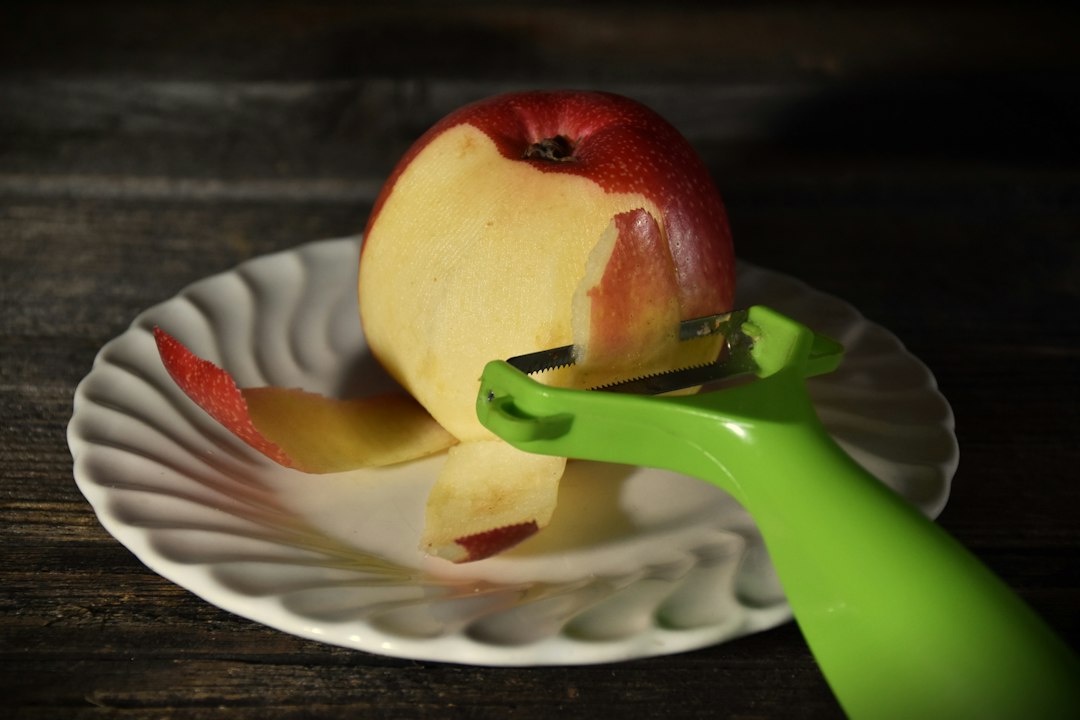
Find the best easy grip vegetable peeler for arthritis-friendly prep. Compare handles, blades, safety features, and tips for comfortable peeling every day.
Peeling potatoes, carrots, apples, and squash can turn into an uncomfortable chore when arthritis, reduced grip strength, hand stiffness, or wrist pain gets in the way. A well-designed easy grip vegetable peeler can make everyday food preparation feel safer, faster, and far less tiring. Unlike narrow, slippery peelers that demand a tight pinch grip, arthritis-friendly models focus on a larger handle, a sharp blade, and better control. The goal is not simply to peel more quickly; it is to reduce the force your hands need to use. This guide explains what to look for in an ergonomic peeler, which blade styles suit different foods, and how to choose a model that fits your kitchen routine. Whether you cook daily or need help with occasional meal prep, the right peeler can support more comfortable independence at the counter.
Why an Easy Grip Vegetable Peeler Helps With Arthritis
Arthritis can affect the small joints of the fingers, thumb, wrist, and hand, making repetitive tasks particularly difficult. Traditional peelers often have thin metal or plastic handles that require a firm pinch grip. That grip can increase pressure through tender joints and make the peeler twist or slip during use.
An easy grip vegetable peeler is designed to reduce those challenges. Most feature a thicker, softer, non-slip handle that is easier to hold with the whole hand. This allows you to use a more relaxed grasp instead of squeezing tightly with your fingertips. A sharp blade also matters because it removes peel with less downward pressure and fewer repeated strokes.
For many people, an arthritis-friendly handle offers the biggest improvement. Look for one with a cushioned surface, finger-friendly shape, and enough diameter to fill your palm comfortably. Better control may also help reduce accidental cuts, especially when hands are stiff, weak, or fatigued. While no kitchen tool eliminates pain entirely, an ergonomic peeler can make prep work more manageable.
Key Features to Look for Before You Buy
The best vegetable peeler for weak hands should feel stable without being bulky. Start with the handle. A wide, rubberized, or soft-touch grip is usually easier to hold than a narrow, smooth handle. Textured surfaces are useful when hands are damp from rinsing produce, while a lightweight construction can reduce wrist fatigue during longer prep sessions.
- Handle shape: Choose an oval, contoured, or oversized handle that supports a relaxed grip.
- Blade sharpness: Stainless steel blades should glide through skins instead of requiring forceful scraping.
- Blade movement: A swivel blade follows the curves of potatoes, apples, and carrots with less wrist adjustment.
- Orientation: Y-shaped peelers can feel natural for downward strokes, while straight peelers may suit people who prefer a pencil-like hold.
- Cleaning: Dishwasher-safe construction or an open design can simplify cleanup.
- Added functions: A potato-eye remover or julienne edge may be useful, but only if it does not make the tool harder to grip.
Before ordering, compare product dimensions and customer photos, not just marketing descriptions. An easy hold peeler that looks ergonomic may still be too slim for someone with significant hand stiffness. If possible, select a model with a clear return policy so you can judge comfort in your own hand.
Y-Peeler vs. Straight Peeler: Which Is Easier to Use?
Both common peeler styles can work well, but the easier option depends on your grip, range of motion, and preferred cutting direction. A Y-peeler has a horizontal blade that resembles the letter Y. Many users pull it downward over food held on a cutting board. This motion can keep the wrist in a more neutral position and may feel especially comfortable when peeling large potatoes, cucumbers, or carrots.
A straight peeler has a blade aligned with the handle. It is often held like a small knife and used with short strokes away from or toward the body. Some people find this design easier for detail work, such as peeling apples or removing thin strips of skin. However, it may require more wrist rotation depending on technique.
If arthritis affects your thumb or pinch grip, start with a Y-style easy grip vegetable peeler with a broad handle. If your main concern is limited wrist motion, test the stroke pattern with a soft vegetable first. The right choice should let you peel with minimal squeezing, twisting, and repeated repositioning. Keep the food on a stable cutting board whenever possible rather than holding it in the air.
Safe, Comfortable Peeling Techniques
Even the best ergonomic potato peeler works better when paired with a joint-friendly setup. Sit or stand at a counter height that lets your shoulders stay relaxed. Place a damp towel or non-slip mat under the cutting board so it does not slide. Work in bright light, and keep a bowl nearby for peels to avoid unnecessary reaching.
For firm produce, cut it into manageable pieces before peeling. A large sweet potato or butternut squash can be difficult to stabilize, so trim a flat side first. Hold the food against the board with your non-dominant hand, keeping fingertips away from the blade path. Use slow, even strokes rather than pressing hard or rushing.
Take breaks before your hand becomes painful. Alternating tasks, such as washing vegetables, chopping, and peeling, can reduce repetitive strain. If grip strength is very limited, consider pairing the peeler with other adaptive kitchen utensils, including a non-slip board, food holder, or cut-resistant glove. Replace the peeler when its blade starts dragging; dull blades demand more force and can make comfortable peeling much harder.
Choosing an Amazon Peeler With Confidence
Amazon makes it easy to compare arthritis-friendly kitchen tools, but focus on practical details rather than star ratings alone. Read recent reviews for comments about handle size, blade sharpness, durability, and ease of cleaning. Reviews from shoppers with arthritis, carpal tunnel symptoms, reduced hand strength, or limited mobility can be especially helpful because they describe real-world comfort.
Check whether the listing identifies the blade material and whether replacement blades are available. Stainless steel is a dependable choice for everyday use, while a protective blade cover can be useful for safer drawer storage. Also consider whether the tool is suitable for right-handed, left-handed, or ambidextrous use.
When you find a promising model, check the price, current availability, and the latest product details on Amazon before purchasing. Prices and specifications can change. As an Amazon Associate, I earn from qualifying purchases. This does not add to your cost, and it helps support research for helpful accessibility-focused kitchen guides.
Frequently Asked Questions
- What makes a vegetable peeler good for arthritis?
- A vegetable peeler for arthritis should have a large, non-slip handle, a sharp blade, and a design that needs little squeezing or wrist twisting. A cushioned arthritis-friendly handle helps distribute pressure across the palm instead of concentrating it in the fingers and thumb.
- Is a Y-peeler better than a straight peeler for weak hands?
- A Y-peeler is often easier for weak hands because its downward stroke can require less wrist rotation and works well on a cutting board. However, some people prefer a straight peeler for detailed tasks. The best option is the one that allows a relaxed, secure grip.
- How do I keep a peeler from slipping while using it?
- Use a peeler with a textured soft-grip handle, stabilize food on a non-slip cutting board, and keep your hands dry. Avoid peeling food while holding it in midair if your grip is weak. A sharp swivel blade also reduces the need to push hard.
- How often should I replace a vegetable peeler?
- Replace a vegetable peeler when the blade drags, skips, rusts, bends, or requires noticeable extra pressure. For frequent cooks, this may be every year or two, depending on quality and care. A sharp easy grip vegetable peeler is safer and easier on sore joints.
Conclusion
An easy grip vegetable peeler is a small kitchen upgrade that can have a meaningful effect on daily comfort and confidence. For arthritis-friendly meal prep, prioritize a broad non-slip handle, a sharp stainless steel blade, and a shape that lets your wrist stay as neutral as possible. A Y-style model is often a practical starting point, especially for peeling larger vegetables on a stable cutting board, but the best choice is always the one that feels secure in your hand. Do not overlook setup and technique: good lighting, a non-slip surface, slower strokes, and regular breaks can all reduce strain. Review current options, compare handle dimensions, and read feedback from people with similar hand concerns. When you are ready to make food preparation easier, check the price on a well-reviewed ergonomic peeler and choose the model that supports comfortable, independent cooking.
— Enjoyed this? Pass it on
— Want to build your own?
Publish articles like this in 90 seconds.
The whole terminal — AI writer, PA-API sync, refresh radar, auto-tweets — free for the first 3 articles.
Try for freeContinue reading
Arthritis-Friendly Kitchen Tools
Best Electric Can Opener for Arthritis: Easy, Safe Picks
Arthritis-Friendly Kitchen Tools
Adaptive Cooking Tools for Seniors: Arthritis-Friendly Picks
Arthritis-Friendly Kitchen Tools
Adaptive Cooking Utensils for Easier Arthritis-Friendly Meals
Arthritis-Friendly Kitchen Tools