— amazon · Home Office
Best Standing Desks for Small Spaces: Smart Home Office Picks
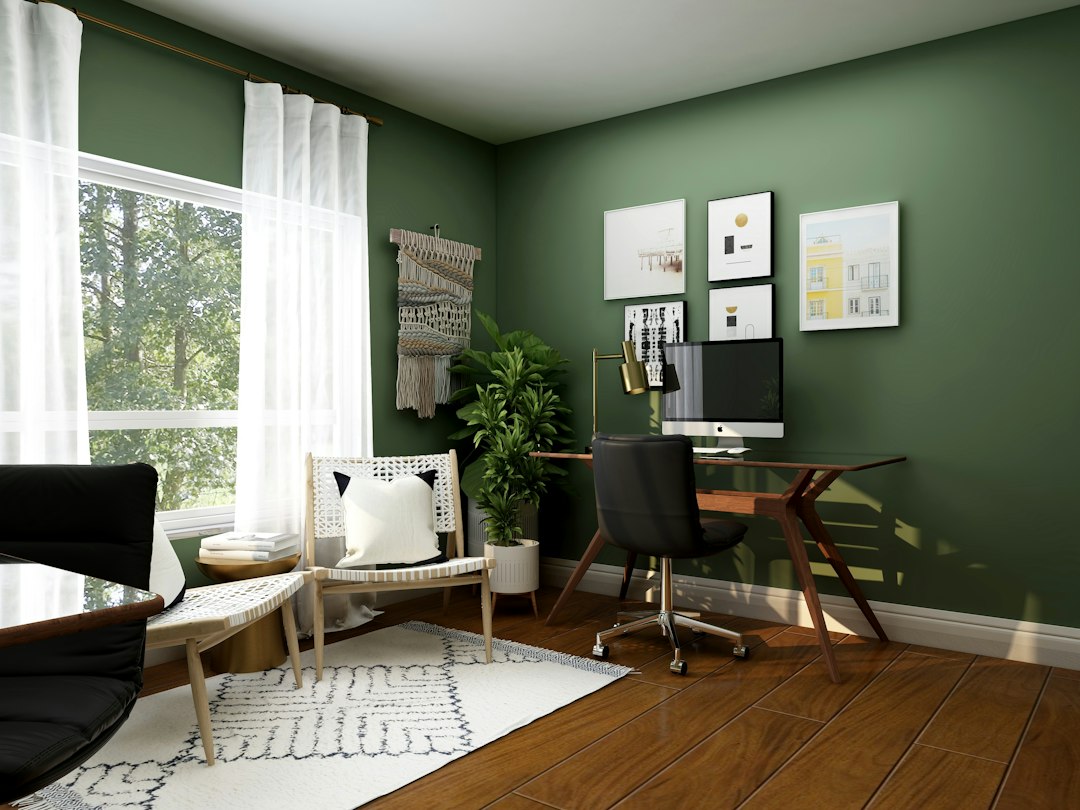
Discover the best standing desks for small spaces, with sizing tips, key features, and practical home office picks for compact rooms and apartments today.
A cramped room does not have to mean an uncomfortable workday. The best standing desks for small spaces make it easier to alternate between sitting and standing without taking over a bedroom, studio apartment, or shared living area. Today’s compact designs include narrow electric desks, folding desk converters, wall-friendly workstations, and rolling models that can disappear when the workday ends. The challenge is choosing one that fits your available floor space while still supporting your monitor, keyboard, laptop, and daily workflow. This guide explains how to measure correctly, which features matter most, and what desk styles suit different compact home offices. You will also find practical product examples to help narrow your search. As an Amazon Associate I earn from qualifying purchases. Always review current dimensions, load capacity, colors, and pricing before purchasing, since listings and product specifications can change.
Why Standing Desks Work Well in Compact Home Offices
Standing desks can be especially useful in small rooms because they create a more flexible workstation rather than requiring a larger office footprint. A compact standing desk lets you change posture during long computer sessions while keeping your equipment in one defined area. For renters, students, and apartment dwellers, that flexibility can make a desk setup feel more intentional instead of temporary.
The biggest advantage is vertical adjustability. When a desk rises, you can work at a comfortable standing height without needing a separate work surface. Many electric models move with the push of a button, while manual crank desks and desktop converters can cost less and fit on furniture you already own. A narrow sit stand desk may also leave more clearance for a bed, closet door, or walking path.
Still, not every standing desk is automatically a good small-space solution. A wide desktop, deep feet, or a bulky crossbar can make a room feel crowded. Prioritize a model with a sensible footprint, cable management, and enough surface area for your actual work tools. The right desk should support your routine without becoming the largest object in the room.
Measure Before Buying a Compact Standing Desk
Accurate measurements are the fastest way to avoid an inconvenient purchase. Start by measuring the maximum width and depth available, then subtract a few inches for chair movement, drawers, door swings, and baseboard clearance. In a very tight setup, a desktop depth of 20 to 24 inches may be sufficient for a laptop and compact keyboard, while dual-monitor users often benefit from 24 to 30 inches of depth.
Do not measure only the top. Check the desk base dimensions as well. Some standing desks have feet that extend farther than the desktop, which can interfere with a chair or walkway. Also consider the desk's lowest and highest settings. Shorter users should confirm that the desk drops low enough for seated typing, while taller users should verify the maximum height before ordering.
- Width: 32 to 40 inches suits many laptop-focused workstations.
- Depth: 20 to 24 inches helps preserve floor space in narrow rooms.
- Load capacity: Add the weight of monitors, arms, laptops, speakers, and accessories.
- Outlet location: Plan cable routing before placing the desk against a wall.
Use painter's tape to outline the proposed footprint on the floor. This simple test reveals whether a standing desk for apartment living will block traffic or make the room harder to use.
Best Types of Standing Desks for Small Spaces
There is no single best design for every compact office. Your ideal choice depends on whether you need a permanent workstation, a flexible temporary setup, or maximum desktop capacity in minimum space.
Small electric standing desks are the most convenient option for daily use. Models such as the FlexiSpot E1 are commonly available in compact desktop sizes and typically offer push-button height adjustment. An electric desk is practical if you switch positions several times per day or use heavier monitor equipment. Look for a memory preset feature if more than one person uses the desk.
Manual standing desks use a crank or hand-adjusted mechanism. They can be a cost-conscious solution for users who do not need frequent height changes. Because designs vary, check whether the crank handle is removable or folds inward to preserve clearance.
Desktop risers sit on top of an existing table or desk. They are useful for renters who already own a stable work surface and cannot fit another piece of furniture. A VIVO standing desk converter can be worth considering when a full desk frame would take too much room, but be sure the underlying table can support the combined weight.
Folding and rolling desks work well in multipurpose rooms. A folding model can be stored after work, while lockable casters make it easier to move a workstation away from a window, bed, or dining table. These options are especially useful for a space saving home office desk that must share room with daily life.
Features That Matter More Than a Fancy Design
In a small office, practical features usually matter more than decorative extras. Begin with stability. A desk should remain steady at typing height, particularly if you use a monitor arm. Read product reviews for comments about side-to-side movement, and avoid loading a desk beyond its stated capacity.
Next, assess desktop usability. A narrow top can work beautifully with a laptop, but a monitor, keyboard, notebook, and coffee mug quickly require more room. Consider a monitor arm to free desktop space, but confirm that the desktop edge is thick and strong enough for the clamp. Under-desk cable trays, built-in grommets, and power-strip mounts can prevent cables from making a compact room look cluttered.
For electric models, useful features include collision detection, programmable presets, a child lock, and a quiet motor. A model such as a FEZIBO electric desk may offer some of these conveniences depending on the version and configuration. Compare the exact listing rather than assuming every size has identical features.
Finally, think about visual weight. Light-colored tops, slim legs, and open space below the desktop can make a room feel larger. A desk with integrated drawers can reduce clutter, but deep drawers may limit legroom. Choose storage only if it solves a real organizational need.
How to Build a Productive Small-Space Standing Desk Setup
A thoughtful setup can make even a 36-inch desk feel capable. Place your screen directly in front of you, with the top of the display near eye level. If you use a laptop as your primary screen, add a laptop stand and separate keyboard when possible. This arrangement improves ergonomics while preserving usable desk space.
Keep only daily essentials on the desktop. A vertical file holder, headphone hook, clamp-on light, and under-desk cable basket can move small items off the work surface. If the desk sits in a bedroom or living room, use a lidded storage box or compact drawer unit to hide office supplies when work is finished.
Alternate gradually between sitting and standing rather than trying to stand all day. Many people begin with 20 to 30 minutes of standing at a time, then adjust based on comfort. A supportive mat may help on hard flooring, although it also requires a little extra clear floor space. Set reminders to move, stretch, and change position regardless of which desk you choose.
Before you buy, review the desk dimensions, return policy, assembly requirements, and current customer feedback. If a model matches your measurements and work style, use the product listing to check the price, compare variations, and confirm that the selected desktop size is the one you intended to order.
FAQ
- What size standing desk is best for a small space?
- For many compact home offices, a desk between 32 and 40 inches wide and 20 to 24 inches deep is a practical starting point. Choose a wider or deeper top if you use two monitors, a large keyboard, or paperwork. Measure the frame feet as well as the desktop before buying.
- Are electric standing desks worth it in a small apartment?
- A small electric standing desk is worth considering if you expect to change height frequently or use heavier equipment. Push-button controls make transitions easy, but a manual desk or desktop converter may be a better value for occasional standing and very limited budgets.
- Can I use a standing desk in a bedroom?
- Yes. A compact standing desk can work well in a bedroom when it leaves clear access to the bed, closet, and door. Select a slim profile, manage cables, and use storage that keeps work items visually contained after hours.
- How much weight should a small standing desk hold?
- Add the weight of every item that will sit on the desk, including monitors, monitor arms, laptop, dock, speakers, and accessories. Then choose a desk with a load rating comfortably above that total. Confirm the rating for the exact size and model in the listing.
Conclusion
The best standing desks for small spaces prove that a compact room can still support a comfortable, organized, and flexible home office. Start with careful measurements, including the desktop, frame feet, chair clearance, and nearby doors. Then match the desk type to your work habits: choose an electric model for frequent adjustments, a manual frame for a simpler budget option, or a desktop converter when you already have a sturdy table. Prioritize stability, suitable height range, realistic load capacity, and cable control before cosmetic details. A well-planned compact standing desk can help you create a workspace that fits your room instead of fighting it. Compare a few sizes and configurations, read recent buyer feedback, and check the price for the version that fits your available footprint. Once you choose a desk, keep the surface uncluttered and adjust your setup gradually for a more comfortable workday.
— Enjoyed this? Pass it on
— Want to build your own?
Publish articles like this in 90 seconds.
The whole terminal — AI writer, PA-API sync, refresh radar, auto-tweets — free for the first 3 articles.
Try for free