— amazon · Home Office
Best Standing Desks for Small Spaces: Compact Office Picks
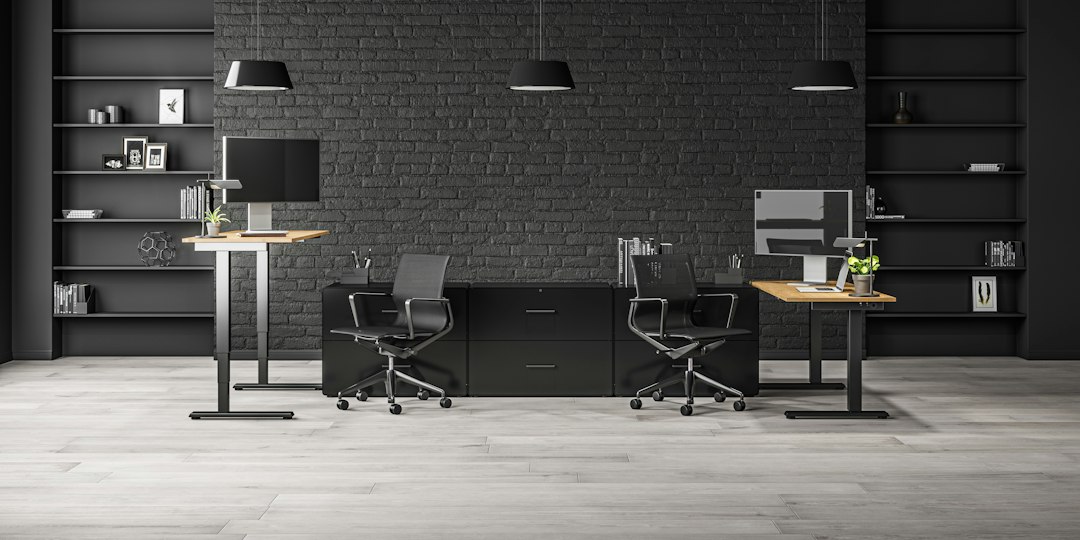
Find the best standing desks for small spaces, from slim electric models to folding converters, with sizing tips for a healthier, organized home office.
A small home office should not force you to spend every workday sitting at a cramped table. The best standing desks for small spaces make it easier to switch positions, protect valuable floor area, and create a workspace that feels intentional instead of temporary. Whether you work from a bedroom corner, apartment living room, closet office, or shared kitchen, the right desk can deliver a more flexible routine without overwhelming the room. The key is matching the desk footprint, height range, storage needs, and cable setup to the space you actually have. This guide compares the most practical compact desk styles, explains what measurements matter, and highlights popular Amazon-friendly options to consider. Disclosure: As an Amazon Associate, we earn from qualifying purchases. This does not affect the price you pay, and recommendations should always be matched to your personal workspace needs.
Why Standing Desks Work Well in Small Home Offices
Standing desks are especially useful in compact rooms because they encourage a more adaptable workspace. Instead of dedicating a large room to a fixed desk setup, you can choose a narrow standing desk, a wall-friendly model, or a converter that sits on furniture you already own. The ability to alternate between sitting and standing can also make long computer sessions feel less static.
For small spaces, however, a standing desk must do more than move up and down. It needs to fit through doorways, leave clearance for a chair, avoid blocking drawers, and provide enough surface area for your essential equipment. A desk that looks compact in a product photo may still feel oversized once you add a monitor arm, keyboard, laptop, notebook, and cables.
Start by deciding whether you need a complete desk or simply a standing desk converter. A full desk is usually the better long-term solution when you have a dedicated work area. A converter is often ideal for renters, occasional remote workers, or anyone who needs to reclaim the room after work. In either case, prioritize a stable frame, usable height range, and a desktop depth that lets you keep your screen at a comfortable viewing distance.
Measure Before Buying a Compact Standing Desk
Accurate measurements prevent the most common small-office mistake: buying a desk that technically fits but makes the room difficult to use. Measure the width of the wall or corner first, then measure the available depth from the wall to the nearest walking path. In tight rooms, even a few extra inches can affect how easily you move around your chair.
A compact standing desk generally works best when its width supports your primary setup without inviting clutter. Laptop-only users may be comfortable with a narrower top, while dual-monitor users often need more width or a monitor arm. Depth matters just as much. A shallow desk can save floor space, but it may leave too little room between your eyes and a large monitor. Consider using a monitor arm to free desktop space and improve screen positioning.
- Width: Leave room for your keyboard, mouse, and daily work tools.
- Depth: Ensure your monitor can sit at a comfortable distance.
- Height range: Check that the desk reaches your preferred standing elbow height.
- Clearance: Confirm that drawers, doors, and chairs can still move freely.
- Weight capacity: Add the weight of monitors, laptop, accessories, and any desktop risers.
It is also smart to mark the desk footprint on the floor with painter's tape. Live with that outline for a day or two before ordering. This simple step makes it easier to identify traffic problems that measurements alone may miss.
Best Types of Standing Desks for Small Spaces
Narrow electric standing desks are a strong choice for a dedicated small home office desk. They offer push-button height adjustments and typically provide a clean, permanent workstation. Look for models with a simple rectangular top, a centered frame, and built-in cable management. The FEZIBO Electric Standing Desk is a popular style to compare when you want an adjustable desk in a compact footprint; review the current Amazon listing for available dimensions, finishes, and configuration details.
Manual crank desks can be practical when you want adjustable height without relying on a motor. They are often straightforward, and they may appeal to buyers who adjust less frequently. The trade-off is convenience: if you expect to change positions several times every day, an electric desk may be easier to use consistently.
Standing desk converters sit on top of an existing table or desk. They are useful when you cannot replace your current furniture, need a portable option, or want a lower-commitment upgrade. A model such as the VIVO Desk Converter can create a sit-stand station on a stable surface, but measure its base and raised depth carefully. Some converters require more front-to-back room than expected.
Folding standing desks are designed for maximum flexibility. They can work well in multipurpose rooms where your office disappears at the end of the day. Focus on a locking mechanism, stability, and a folded profile that fits your storage area. Folding designs may not suit heavy multi-monitor setups, but they can be excellent for a laptop, compact keyboard, and light accessories.
Corner standing desks make use of underused angles, especially in bedrooms or living rooms. They offer a larger work surface without projecting as far into the room as a long straight desk. Before choosing one, confirm whether the return side is reversible and check that the lifting frame will not collide with baseboards or nearby furniture.
Features That Matter More Than Extra Desk Size
In a small office, smart features often matter more than a large desktop. A quiet motor is valuable if you work near family members, roommates, or sleeping areas. Memory presets are helpful when more than one person uses the desk or when you want a reliable sitting and standing position without repeated adjustment.
Stability should be a priority. A desk can have an attractive compact design yet still wobble when raised, particularly if it carries a monitor arm. Read recent customer feedback with attention to comments about side-to-side movement, assembly, and controller reliability. Product quality can vary by size and configuration, so review details for the exact listing you intend to buy.
Storage must be planned carefully. A slim drawer may hold pens and charging cables, but it can reduce knee clearance. In many small spaces, a rolling organizer, under-desk cable tray, or wall-mounted shelf is more useful than a bulky desk with built-in storage. Keep only daily essentials on the desktop and route charging cords toward the rear edge to preserve a clean work zone.
The FLEXISPOT EN1 Standing Desk is another commonly searched option for shoppers comparing electric desks. Rather than choosing based on brand alone, compare the listed tabletop size, frame range, controls, warranty information, and current reviews. Use Amazon's product specifications to verify what is included, as accessories and desktop options can differ between listings.
How to Set Up a Small-Space Standing Desk Comfortably
Once your desk arrives, placement and ergonomics determine whether it becomes a productive daily tool. Position the desk where natural light is available but glare is manageable. If the desk must sit near a window, place the monitor perpendicular to the light when possible. This helps reduce reflections while keeping the room bright.
At standing height, your elbows should be close to a right angle while typing, with shoulders relaxed rather than lifted. The top of your monitor should generally be near eye level, adjusted for your personal comfort and vision needs. A separate keyboard and mouse are worthwhile additions for laptop users because they allow the screen and typing surface to be positioned independently.
Use an anti-fatigue mat if you stand for extended periods, but do not assume you need to stand all day. The goal is regular movement and position changes. Start with short standing intervals, then build a routine that feels sustainable. A small footrest or sturdy box can also provide a place to shift one foot at a time, which may make standing more comfortable.
Before purchasing, compare dimensions and check the price for the exact size you need. The least expensive desk is not always the best value if it forces you to replace accessories, compromises your walking space, or fails to support your equipment. A well-planned compact setup can make even a very small room feel more functional.
FAQ
- What size standing desk is best for a small space?
- The best size depends on your equipment and room layout, but a compact standing desk should leave clear walking space and support your primary work tools without crowding the room. Measure width, depth, chair clearance, and door or drawer swing before ordering. Laptop users can often use a narrower desktop than dual-monitor users.
- Are standing desk converters good for small apartments?
- Yes. A standing desk converter is often a practical choice for small apartments because it uses an existing table or desk. Make sure the supporting surface is stable and large enough for the converter's base, especially when the unit is raised. Also measure the total height to ensure it works for your standing posture.
- Should I choose an electric or manual standing desk?
- Choose electric if you expect to change between sitting and standing frequently, want preset heights, or share the desk with another person. A manual model can be a good lower-tech option for occasional adjustments. In small spaces, compare stability and usable desktop dimensions before deciding between adjustment methods.
- Can I use a monitor arm with a narrow standing desk?
- You can, provided the desktop is thick and sturdy enough for the clamp or grommet mount and the desk's weight capacity supports the monitor. A monitor arm can be especially helpful on a narrow standing desk because it frees surface space and lets you position the screen more ergonomically.
Conclusion
The best standing desks for small spaces are not necessarily the smallest models available. They are the desks that fit your workflow, preserve clear floor space, and make it easy to change positions throughout the day. Start with careful measurements, then choose between a compact electric desk, manual frame, folding design, corner workstation, or converter based on how permanent your setup needs to be. Prioritize stability, a useful height range, and enough depth for comfortable monitor placement before adding optional features. A clean cable plan and a monitor arm can make a modest desktop work harder without making the room feel crowded. When you are ready to shop, revisit your measurements, compare the exact product specifications, read current buyer feedback, and check the price for the configuration that suits your home office. A thoughtful compact setup can turn even a small corner into a productive, comfortable workspace.
— Enjoyed this? Pass it on
— Want to build your own?
Publish articles like this in 90 seconds.
The whole terminal — AI writer, PA-API sync, refresh radar, auto-tweets — free for the first 3 articles.
Try for free