— amazon · Home Office
Best Standing Desks for Small Spaces: 2026 Buying Guide
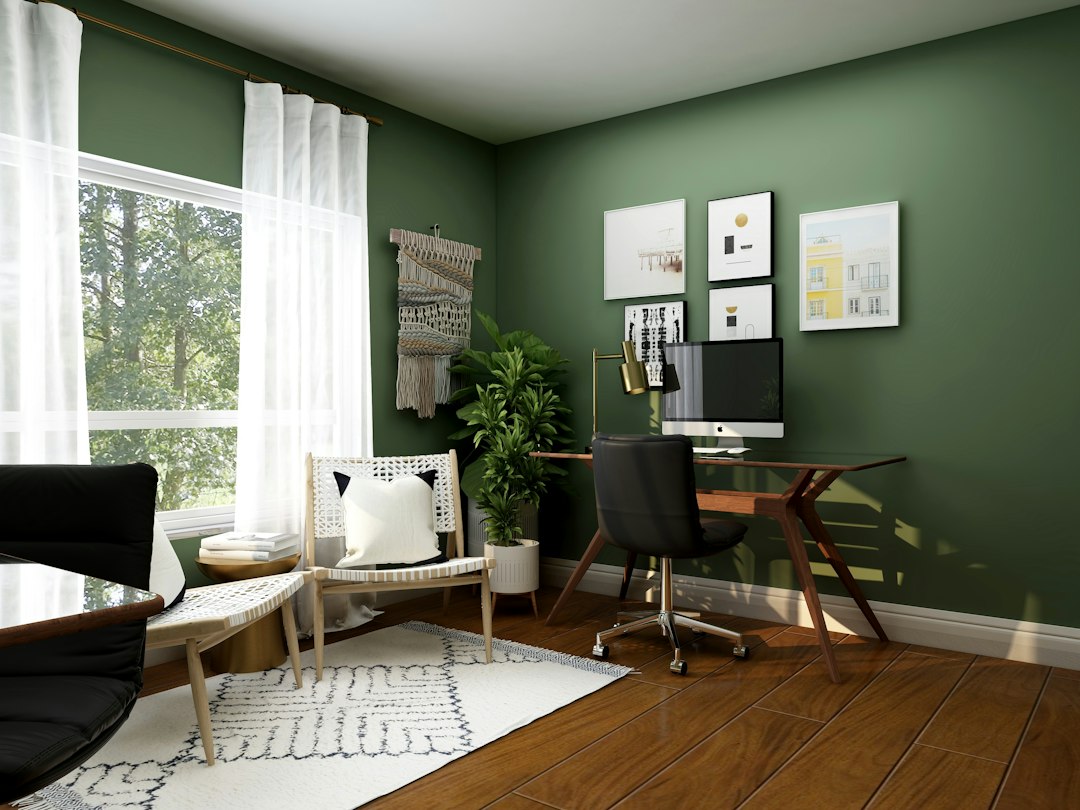
Find the best standing desks for small spaces with sizing, storage, stability, and setup tips to build a healthier, more productive home office while saving floor space.
A small room should not force you to choose between a functional workspace and the flexibility to stand during the day. The best standing desks for small spaces make it possible to create an ergonomic home office in a bedroom corner, apartment living room, studio, or unused hallway nook. The key is choosing a desk with the right footprint, height range, weight capacity, and cable management for your equipment. A desk that looks compact on a product page can still overwhelm a tight room once you add a chair, monitor arm, and drawers. This guide explains how to compare space-saving desk styles, measure your available area, and select features that truly matter. You will also find practical setup advice for creating a comfortable workstation without wasting valuable square footage. As an Amazon Associate, this site may earn from qualifying purchases, at no additional cost to you.
Why Standing Desks Work So Well in Small Spaces
Standing desks are useful in almost any home office, but they can be especially valuable when square footage is limited. A well-designed desk lets one surface handle focused work, video calls, writing, and standing breaks without requiring a second table or a larger office. When paired with a supportive chair and a carefully planned layout, it can make a small workstation feel intentional rather than cramped.
The best standing desks for small spaces prioritize a shallow depth and a practical width. Many compact models measure roughly 24 inches deep, which leaves more walking room than a standard 30-inch-deep desktop. Width depends on your gear: 32 to 40 inches can work for a laptop and notebook, while 42 to 48 inches is more comfortable for a monitor, keyboard, and mouse. Before shopping, measure the wall, the chair clearance, door swing, and the path you use to enter the room.
Adjustability also helps multipurpose rooms. You can raise the desk for work, then lower it after hours so it feels less visually dominant. This is particularly helpful in a guest room, living area, or studio apartment where your office is always in view. Look for clean lines, a neutral finish, and integrated cable control to keep the workspace from adding visual clutter.
Choose the Right Desk Type for Your Layout
There is no single best desk style for every compact room. Start with the available floor space and decide whether you need a full desk, a retrofit solution, or a wall-based workstation. Each option has distinct advantages.
Compact electric standing desks
An electric standing desk is the easiest option for frequent sit-stand changes. Motorized controls make it simple to switch positions during calls or between tasks, and memory presets are useful if more than one person uses the desk. For small rooms, choose a two-leg frame with a desktop around 40 to 48 inches wide. Verify the listed height range, especially if you are taller or shorter than average, and check that the frame remains stable at its maximum height.
Manual and crank-adjustable desks
Manual desks can cost less and may have fewer electronic components, but they require more effort to adjust. They suit people who plan to change height once or twice daily rather than constantly. A crank model can be a smart choice for a small home office desk when access to outlets is limited.
standing desk converters
A standing desk converter sits on top of an existing desk or table. It is a useful space-saving alternative if you already own a stable work surface and do not want to replace it. Measure carefully: converters reduce usable desktop area, and larger X-frame designs can feel bulky on narrow tables. A compact keyboard tray or a single-monitor setup usually works best.
Wall-mounted and fold-down desks
A wall-mounted desk can be ideal for extremely tight rooms because it uses little or no floor space. Fold-down versions disappear after work, making them practical in bedrooms and multipurpose areas. However, installation is more involved. Mount the desk into wall studs or use hardware rated for the intended load, and remember that a wall desk may have less height-adjustment range than a freestanding model.
How to Measure for a compact standing desk
Accurate measurements prevent the most common small-space buying mistake: selecting a desk that technically fits but makes the room difficult to use. Use painter's tape to mark the desktop dimensions on the floor or wall before placing an order. Then walk around the outline with your chair in position.
- Desk width: Allow at least 2 to 4 inches of breathing room on each side. A 40-inch desktop is a versatile starting point for a laptop setup.
- Desk depth: Twenty to 24 inches is often enough for a laptop, compact keyboard, and monitor arm. If you use a large monitor on its original stand, 24 inches or more is safer.
- Chair clearance: Plan for roughly 30 to 36 inches behind the chair when possible. In narrow rooms, consider a stool or a chair that tucks fully under the desktop.
- Height range: Your elbows should be near a 90-degree angle while typing. Compare your preferred seated and standing elbow heights with the desk specifications.
- Storage clearance: Confirm that drawers, filing cabinets, and rolling carts can open without blocking your work position.
Do not overlook base dimensions. The feet of a compact standing desk may extend farther than the desktop, particularly on budget frames. Check the manufacturer diagram for both the tabletop size and the frame footprint. If you work on carpet, a wider base may improve stability, while a hard floor may benefit from adjustable leveling glides.
Features That Matter Most in a Small Home Office
Small spaces reward thoughtful features more than oversized desktops or flashy extras. First, prioritize stability. A desk should not wobble noticeably when you type, use a monitor arm, or raise it to standing height. Review the stated weight capacity, but leave a margin instead of loading the desk to its maximum. A laptop, monitor, arm, speakers, dock, and accessories can add up quickly.
Next, look for cable management. A cable tray, grommet, or under-desk channel keeps cords off the floor and makes a compact setup look larger and calmer. If you select an electric standing desk, make sure the power cable has enough slack for the full travel range. Route cords away from moving legs and use a surge protector mounted underneath where possible.
Memory presets are worth considering if you change positions often. One seated setting and one standing setting remove the friction of making ergonomic adjustments. An anti-collision feature is also helpful in tight rooms because it can stop the desk if it encounters a drawer, chair arm, or storage unit beneath it.
Finally, choose storage that works vertically rather than horizontally. A slim rolling pedestal, under-desk hooks, monitor arm, pegboard, or wall shelf can hold essentials without consuming desktop space. Avoid filling every open area with organizers; keeping a clear work surface is one of the simplest ways to make a compact office feel more usable.
Create an Ergonomic Small-Space Standing Desk Setup
Even the best compact standing desk needs a good ergonomic setup. Position your screen so the top third is near eye level and roughly an arm's length away. A monitor arm is often one of the best upgrades for a narrow desktop because it frees surface area and allows more precise positioning. If you use a laptop as your main computer, add a laptop stand plus an external keyboard and mouse whenever possible.
When standing, keep your shoulders relaxed and your wrists neutral. Your keyboard should sit low enough that you do not shrug your shoulders to type. A small anti-fatigue mat can make standing more comfortable, but choose one that does not create a tripping hazard in a walkway. Alternate between sitting and standing rather than trying to stand for an entire workday.
For an efficient layout, place the desk near natural light but perpendicular to the window when you can. This reduces glare on screens while still making the area feel open. If a wall is your only option, use a small desk lamp with adjustable brightness. Add a plant, framed print, or compact shelf above the workstation, but leave enough empty wall space to prevent a crowded appearance.
Once you have narrowed down your preferred dimensions and features, compare current options and check the price before buying. Amazon listings can vary by desktop size, frame color, bundle, delivery availability, and seasonal promotions, so confirm that the exact configuration matches the measurements you planned.
FAQ
- What size standing desk is best for a small space?
- For most small home offices, a desk 32 to 48 inches wide and 20 to 24 inches deep is a practical range. A 40-inch desk works well for a laptop, keyboard, mouse, and compact monitor. Choose 48 inches if you need a larger monitor or more writing space.
- Are standing desks stable in compact sizes?
- Yes, many compact models are stable when they have a solid steel frame, leveling feet, and a sensible weight load. Check the desk's base dimensions, weight capacity, and customer feedback about wobble at standing height. Avoid overloading a narrow desktop with heavy equipment.
- Is a standing desk converter better than a full desk?
- A standing desk converter is better if you already have a sturdy desk and want a lower-cost way to stand while working. A full compact standing desk is usually better for tight rooms because it provides more usable surface area, cleaner cable routing, and a less bulky overall setup.
- Can I use a wall-mounted desk as a standing desk?
- Some wall-mounted desk designs are built at standing height, while others fold down at seated height. For a true sit-stand setup, look for a height-adjustable wall system or pair a fixed wall desk with an appropriate stool. Always follow the mounting instructions and load limits.
Conclusion
Finding the right standing desk for a compact room is less about buying the largest feature list and more about matching the desk to your daily routine. Start by measuring your available width, depth, chair clearance, and preferred working heights. Then decide whether a compact standing desk, a converter, or a fold-down wall solution best suits the room. Prioritize stable construction, practical cable management, and enough desktop space for the equipment you actually use. Small upgrades such as a monitor arm, vertical storage, and a keyboard tray can make an especially big difference in a limited footprint. The best standing desks for small spaces should support healthier movement without turning your home into an obstacle course. Review the dimensions of your favorite models, compare useful features, and check the price for the size and finish that fit your workspace before making your final choice.
— Enjoyed this? Pass it on
— Want to build your own?
Publish articles like this in 90 seconds.
The whole terminal — AI writer, PA-API sync, refresh radar, auto-tweets — free for the first 3 articles.
Try for free