— amazon · Home
Best Robot Vacuums for Pet Hair: Top Picks & Buying Guide
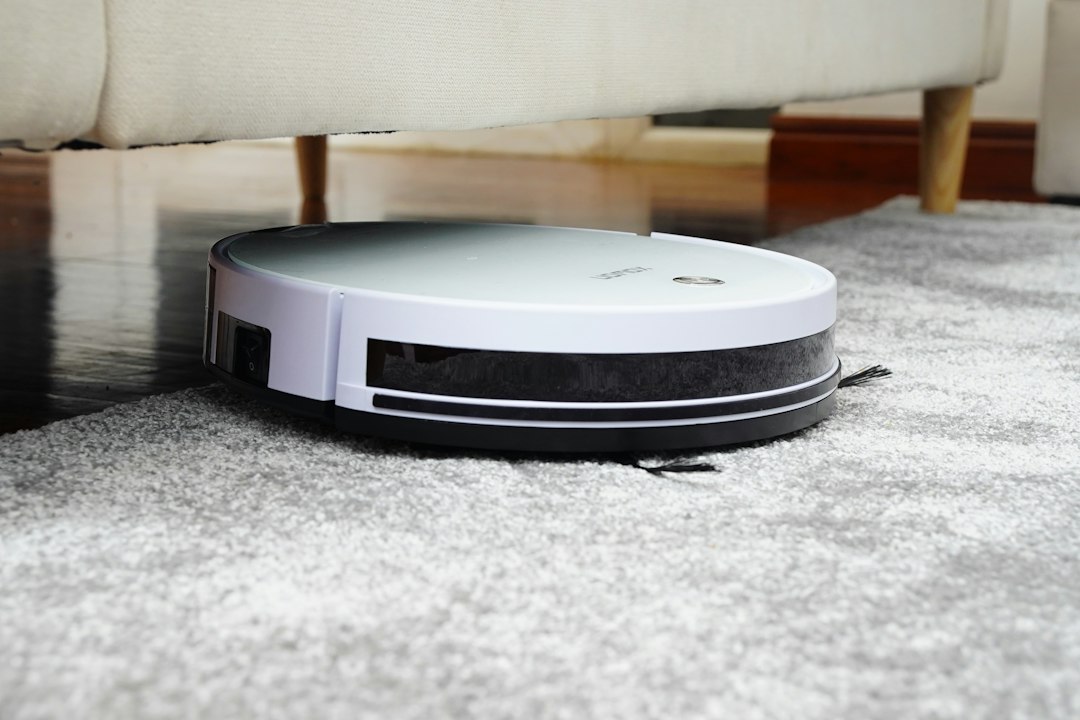
Find the best robot vacuums for pet hair with buying tips on suction, brushes, mapping, and self-emptying docks for cleaner floors and less daily work.
Living with pets means more cuddles, more personality, and usually more fur on every surface. From tumbleweeds under the sofa to cat litter near the box, daily cleanup can feel endless. The best robot vacuums for pet hair help reduce that workload by automatically collecting fur, dander, crumbs, and tracked-in debris between your regular deep cleans. However, not every robot is designed to handle a shedding dog, long-haired cat, or a busy multi-pet household. The right model needs strong pickup, a brush system that resists tangles, reliable navigation, and enough bin capacity to avoid constant attention. This guide explains what matters most when choosing a pet hair robot vacuum, compares popular options available through Amazon, and helps you match useful features to your floors, pet habits, and budget. A well-chosen robot will not replace every cleaning task, but it can make clean floors far easier to maintain.
What Makes a Robot Vacuum Good for Pet Hair?
The best robot vacuums for pet hair are built around consistent pickup rather than flashy extras alone. Pet fur can cling to rugs, collect along baseboards, and wrap around roller brushes, so look for a machine with strong airflow, a wide brush roll, and a design that sends debris efficiently into the dustbin.
Brush design matters as much as suction. Rubber or silicone main rollers are often easier to maintain than traditional bristle brushes because long hair is less likely to become tightly wound around them. Side brushes are useful for pulling fur away from wall edges and furniture legs, though they still need occasional cleaning.
For homes with shedding pets, a self-emptying robot vacuum is especially convenient. Its dock transfers collected debris into a larger bag or bin after cleaning, reducing how often you handle fur. This feature is helpful for allergy-sensitive households, but remember that dock bags and replacement filters are ongoing costs.
Navigation is another priority. LiDAR mapping, camera-based obstacle detection, or a combination of sensors can help a robot clean in organized rows, avoid bowls and toys, and return to missed areas. If your pet occasionally has accidents indoors, advanced obstacle avoidance can be a worthwhile safeguard, although no system should be trusted without checking the floor first.
- Strong pickup on both hard floors and carpets
- Anti-tangle or easy-clean roller brushes
- High-efficiency filtration for fine dander
- Smart mapping, room selection, and no-go zones
- A self-emptying dock for lower-maintenance cleaning
Top Robot Vacuum Options for Pet Owners
Amazon carries many capable pet hair robot vacuum models, and the best fit depends on whether you prioritize carpet pickup, mopping, hands-free maintenance, or obstacle avoidance. Product versions and bundles can change, so review the current listing specifications before purchasing.
Roborock Q5 Max+ is a practical choice for households focused primarily on vacuuming. It combines systematic LiDAR navigation with a self-emptying dock, room mapping, and a dual-roller cleaning setup intended to improve debris pickup. It is a strong option for pet owners who want scheduled whole-home cleaning and have a mix of rugs and hard flooring.
Roomba j7+ is known for its obstacle-recognition approach and self-emptying base. This can appeal to pet households where toys, feeding areas, and unexpected floor obstacles are common. It is worth checking the listing for the latest software, warranty, and dock details, as configurations may vary.
Shark Matrix Plus models offer another pet-friendly route, often pairing methodical cleaning patterns with a self-empty base and a brush-roll design designed to limit hair wrap. Shark can be a sensible option for shoppers who prefer an established floor-care brand and want easy-to-find replacement accessories.
Eufy X10 Pro Omni is aimed at buyers wanting vacuuming and mopping automation in one system. Its dock can support more hands-off floor care than a vacuum-only robot, making it appealing for homes with muddy paw prints on sealed hard floors. For any combo robot, set carpet zones carefully and confirm how it handles rugs before running unattended.
How to Choose the Right Model for Your Floors and Pets
Start with your floor plan. Mostly hard-floor homes benefit from a robot that has strong edge cleaning and optional mopping, while carpeted homes need dependable agitation and good performance on embedded fur. If you have thick rugs, compare the manufacturer’s stated climbing ability and real customer feedback about transitions between rooms.
Next, consider the type of pet hair you manage. Short fur can spread widely and hide in corners, while long hair is more likely to wrap around rollers, wheels, and side brushes. In long-haired households, prioritize anti-tangle components and choose a model with parts that are simple to remove and clean. Even the best robot vacuum for dog hair needs periodic maintenance.
Bin capacity affects convenience. A compact robot without an auto-empty station may be perfectly adequate for one low-shedding cat in a small apartment. A large dog or multiple pets can fill a standard onboard bin quickly, making a dock much more useful. Schedule the robot to run daily or every other day rather than expecting one weekly run to manage heavy shedding.
Finally, think about your tolerance for app setup. Smart maps let you target the kitchen after meals, avoid water bowls, and send the robot to the entryway after walks. Basic models can still clean effectively, but mapped rooms, no-go zones, and adjustable suction give you more control over pet-related messes.
Before buying, measure low-clearance furniture, identify loose cords, and decide where the dock will sit. A clear, accessible dock location helps the robot recharge and empty reliably.
Vacuuming, Mopping, and Cat Litter Cleanup
A robot vacuum for cat litter needs more than strong suction. Litter granules are abrasive and can scatter when a side brush spins too aggressively, particularly on hard floors. Choose a robot with controlled edge cleaning, adjustable power settings, and a dustbin or dock that is easy to empty. Place a quality litter mat outside the box to reduce tracking before the robot starts its route.
For pet owners with sealed tile, vinyl, laminate, or hardwood, a robot vacuum with mop can help manage light paw prints and dried water drips. Mopping should complement vacuuming, not replace it. Robots generally work best on routine surface soil; sticky spills, corners, grout, and heavily soiled areas still need manual attention.
If you select a combo unit, use room labels and no-mop zones. Keep carpeted areas protected unless the robot can reliably lift its mop pads or avoid rugs. Also avoid letting a robot mop around fresh pet accidents. Inspect the floor before each scheduled run, especially if your pets are young, elderly, or prone to digestive issues.
For best results near litter boxes, run the robot after your cat’s busiest times, empty the litter box regularly, and clean the robot’s wheels and brushes if granules accumulate. These small habits protect the vacuum and prevent debris from being carried into other rooms.
Maintenance Tips for Better Pet Hair Pickup
Regular maintenance keeps robot vacuums for pet hair working at their best. A robot may still run when its roller is tangled or its filter is clogged, but pickup performance can drop noticeably. In a high-shedding home, plan a quick inspection at least once each week.
- Empty or check the dock: Replace bags or empty bagless containers before they become overfilled.
- Clean the main roller: Remove wrapped hair from the roller ends, bearings, and axle channels.
- Inspect side brushes: Pull off hair, straighten bent bristles when possible, and replace worn brushes.
- Maintain filters: Tap loose dust into a trash can and follow the manufacturer’s washing instructions. Not all filters are washable.
- Wipe sensors and charging contacts: A dry microfiber cloth can help prevent navigation and charging problems.
Do not overlook the wheels. Pet hair can gather around wheel hubs and affect movement over rugs or thresholds. Keep the dock area clear, and avoid leaving cords, shoelaces, feathers, and small pet toys on the floor. These are among the most common causes of interrupted cleaning cycles.
Consumables such as filters, bags, mop pads, and brushes should be replaced on the schedule recommended by the brand, adjusted for your household’s shedding level. Buying genuine or compatible accessories from reputable sellers can help preserve performance. With a simple routine, a pet hair robot vacuum can remain a useful daily cleaning partner for years.
FAQ
- Are robot vacuums effective for pet hair?
- Yes. Robot vacuums are especially effective when run frequently, because they collect loose fur before it builds up on floors and rugs. For the best results, choose a model with strong carpet pickup, an easy-to-clean roller, and a self-emptying dock if you have multiple pets or heavy shedding.
- Can a robot vacuum pick up cat litter?
- Most capable models can pick up small amounts of cat litter from hard floors, but performance depends on litter type, brush design, and suction level. Use a litter mat to limit tracking, clean the robot's brushes regularly, and avoid running it over wet litter or spills.
- How often should I run a robot vacuum with pets?
- Daily cleaning is ideal for homes with dogs, cats, or allergy concerns. In lighter-shedding homes, every other day may be enough. Scheduling short, frequent runs is generally more effective than waiting until visible fur has accumulated.
- Is a self-emptying robot vacuum worth it for pet owners?
- For many pet owners, yes. A self-emptying robot vacuum reduces direct contact with fur and dust, allows more cleaning runs between emptying sessions, and is especially helpful in homes with multiple pets. Consider replacement bag costs and dock size before choosing one.
Conclusion
Choosing among robot vacuums for pet hair comes down to matching the machine to your home instead of simply choosing the highest advertised suction number. Prioritize a roller that is easy to maintain, reliable navigation, strong performance on your main floor type, and enough dust capacity for your pets’ shedding level. A self-emptying model can be a major convenience upgrade, while a vacuum-and-mop system can be valuable for homes with hard floors and regular paw-print cleanup. Compare current Amazon listings, customer feedback, included accessories, and replacement-part costs before making a final decision. Whether you prefer the Roborock Q5 Max+, Roomba j7+, Shark Matrix Plus, or Eufy X10 Pro Omni, the right robot can make daily fur control much less demanding. Check the price, review the latest features, and choose a model that makes it easier to spend time with your pets instead of chasing their hair.
— Enjoyed this? Pass it on
— Want to build your own?
Publish articles like this in 90 seconds.
The whole terminal — AI writer, PA-API sync, refresh radar, auto-tweets — free for the first 3 articles.
Try for free