— amazon · Kitchen
Best Glass Meal Prep Containers for Fresh, Organized Meals
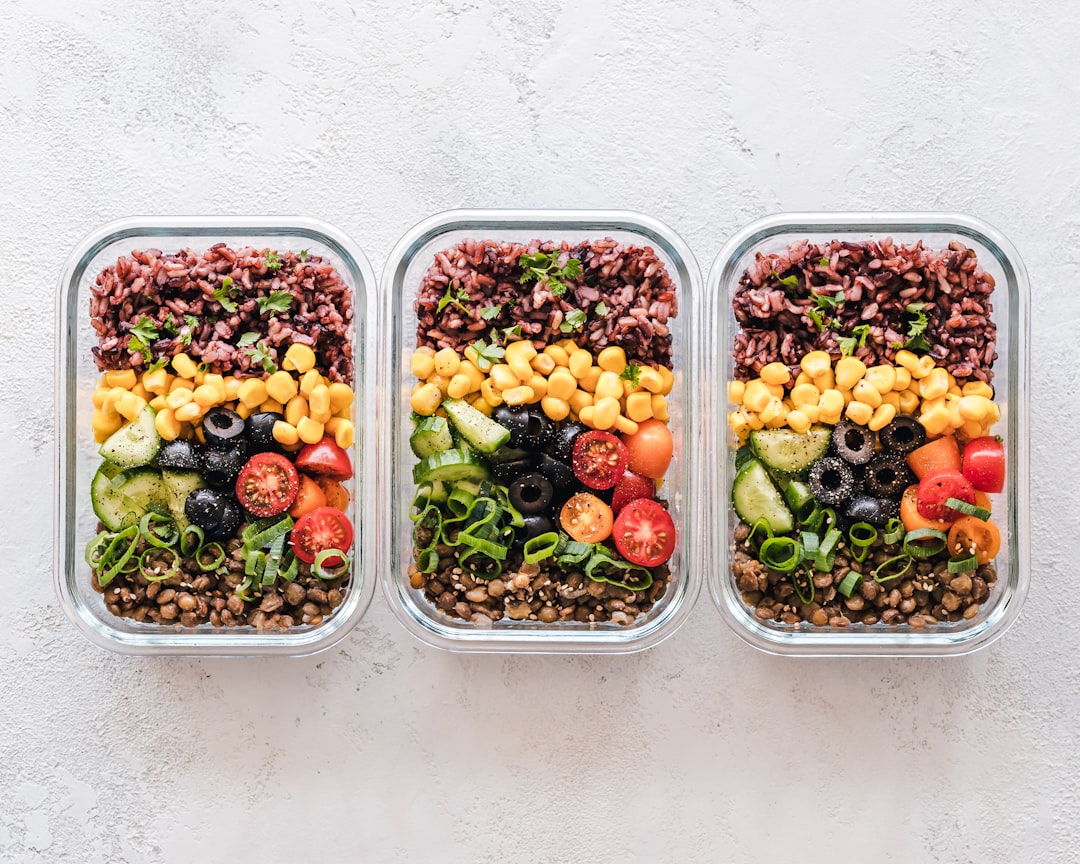
Discover the best glass meal prep containers for durable, leak-resistant storage, smarter portions, and easy reheating at home or work all week.
A successful meal-prep routine starts with food you actually want to eat later, and the right storage makes a major difference. Glass meal prep containers help keep salads crisp, grains organized, sauces contained, and leftovers ready for a quick reheat. Unlike flimsy disposable tubs, quality glass containers can move from refrigerator to microwave and, in many cases, from freezer to oven. They are also easier to clean, less likely to hold onto strong food odors, and attractive enough to serve from when you are short on time. Whether you prepare five work lunches on Sunday, portion family dinners, or simply want a better way to store leftovers, choosing the right container shape, size, and lid style matters. This guide explains what to look for, compares popular options available through Amazon, and helps you choose glass meal prep containers that fit your kitchen, budget, and weekly routine.
Why Choose Glass Meal Prep Containers?
Glass meal prep containers are a practical upgrade for anyone who regularly packs lunches, stores leftovers, or cooks in batches. Their biggest advantage is versatility. Most tempered-glass designs are safe for refrigerator storage, microwave reheating, and dishwasher cleaning. Many are also oven safe when the plastic lid is removed, making it easy to bake, portion, store, and reheat in one dish.
Glass is nonporous, so it does not readily absorb tomato sauce stains, garlic smells, or oily residue. This is especially helpful when you rotate the same containers through chili, curries, roasted vegetables, and salads each week. Clear walls also make it easier to identify what is inside, which can reduce forgotten leftovers and food waste.
There are tradeoffs. Glass weighs more than plastic and can break if dropped hard. However, durable tempered glass and protective silicone-sealed lids offer a long-lasting solution for most kitchens. For busy households, the ability to see, stack, wash, and reuse the same containers week after week often outweighs the extra weight.
When shopping, look beyond the number of pieces in a set. A package advertised as ten pieces may mean five containers and five lids. Consider how many complete portions you need for your weekly schedule, plus a few extra containers for snacks, sauces, and leftovers.
What to Look for Before Buying
The best glass food storage containers match the kinds of meals you make. Start with size. Containers between 28 and 36 ounces work well for most lunch-sized meals containing a protein, grain, and vegetables. Smaller 10- to 20-ounce containers are useful for breakfast, fruit, dips, overnight oats, and side dishes. Larger containers are better for family leftovers or batch-cooked ingredients.
Shape is equally important. Rectangular containers maximize refrigerator and lunch-bag space, while square containers stack neatly and round bowls are convenient for soups, oatmeal, and salads. If you portion complete meals, divided containers can keep foods separate without requiring multiple dishes. Two-compartment models are often ideal for an entrée and side, while three-compartment designs support portion-focused meals.
Pay close attention to the lid. Snap-lock lids with silicone gaskets are usually the best choice for leakproof meal prep containers, especially if you transport dressings, soups, or saucy meals. Press-on lids may be fine for refrigerator storage but are generally less reliable in a backpack or work bag. Replacement lids can be difficult to find, so choosing a well-known brand may be worthwhile.
Finally, verify temperature guidance from the manufacturer. “Microwave safe” does not automatically mean the lid should be heated. In most cases, remove or loosen a plastic lid before microwaving. For oven use, confirm the maximum temperature and never place a cold glass dish directly into a very hot oven, since sudden temperature changes can cause thermal shock.
Popular Glass Container Styles for Meal Prep
A rectangular glass meal prep container set is the most flexible starting point for many people. It works for sheet-pan chicken and vegetables, pasta portions, grain bowls, sandwiches, and layered lunches. Look for a set with several matching containers so your fridge stays organized and lids are interchangeable.
For divided lunches, Prep Naturals glass containers are a popular style to consider. Their compartment layouts can help separate proteins, vegetables, and starches while keeping your portions planned in advance. This format is especially useful for commuters and students who prefer a ready-to-grab lunch without packing several small containers.
Snapware Total Solution containers are another recognizable option for households that need multiple sizes. Their snap-lock lid system is designed to create a secure seal, and mixed-size sets can cover everything from chopped produce to family-size leftovers. A varied set is useful if your meal prep includes both individual lunches and bulk ingredients.
For a premium, highly organized lunch setup, Rubbermaid Brilliance glass containers are often appreciated for their clear design and secure-looking lids. They can be a good fit for users who want containers that look polished in an office refrigerator while still handling daily use. Before purchasing any brand, check current Amazon product details for dimensions, piece count, lid material, care instructions, and customer feedback.
Round glass containers remain a smart supplement to rectangular meal-prep boxes. Use them for soups, stews, yogurt, fruit, sauces, and overnight oats. A mixed collection of rectangular, divided, and round containers gives you more flexibility than buying one shape exclusively.
How to Meal Prep Safely With Glass
Good storage habits keep meal prep convenient and help food stay fresher. Allow cooked food to cool briefly before transferring it to glass containers, but do not leave perishable food at room temperature for more than two hours. Divide large batches into shallow portions so they cool faster, then refrigerate promptly.
For the best texture, store wet and dry ingredients separately when possible. Keep salad dressing, salsa, and sauces in small containers; add them just before eating. Place paper towels with washed greens only if they are fully dry, and avoid sealing steaming-hot food immediately because excess condensation can make vegetables soggy.
Most prepared meals keep well in the refrigerator for three to four days. If you cook for an entire workweek, freeze later-week portions as soon as they have cooled. Glass containers with freezer-safe ratings are helpful here, but leave some headspace for liquids because soups and sauces expand as they freeze.
When reheating, remove the lid unless its instructions specifically permit microwave use. Cover the food loosely with a microwave-safe plate or splatter guard, stir halfway through, and heat until steaming hot. For oven reheating, let refrigerated glass sit at room temperature for a few minutes first and avoid placing it on a wet or cold surface immediately after baking.
These simple practices protect your containers, improve food quality, and make oven safe meal prep containers far more useful than single-use alternatives.
Choosing the Right Set for Your Routine
If you are new to meal prep, begin with four to six same-size containers rather than buying an oversized set. This gives you enough capacity for several lunches without filling your cabinets with shapes you may not use. A standard 30-ounce rectangular container is a dependable first choice for balanced lunches.
For couples or families, mixed sets provide better value because leftovers rarely come in identical portions. Choose a set with a few large containers for cooked proteins and vegetables, medium containers for individual meals, and small containers for snacks or sauces. Nesting designs save cabinet space, while stackable lids help keep the refrigerator tidy.
People who commute should prioritize a gasketed, locking lid and a container profile that fits their lunch bag. If you carry soup or dressing, test a new container with water over the sink before trusting it in your bag. Those who meal prep for fitness goals may prefer divided glass lunch containers because they make consistent serving sizes easier to visualize.
Price matters, but the cheapest option is not always the best value. A durable set with reliable lids can replace countless disposable containers over time. Read recent reviews, compare measurements rather than relying on photos, and check the price before selecting a set. The right containers should make your routine simpler, not create more dishes or storage clutter.
Amazon Associates disclosure: As an Amazon Associate, this article may earn from qualifying purchases. Product availability and pricing can change, so review the current listing before you buy.
FAQ
- Are glass meal prep containers better than plastic?
- Glass meal prep containers are often better for people who want stain-resistant, odor-resistant storage and the ability to reheat food in the same dish. They are heavier and more breakable than plastic, but tempered glass can last for years with proper care.
- Can glass containers go from the freezer to the oven?
- Only do this if the manufacturer specifically says the container is safe for both freezer and oven use. Even then, avoid rapid temperature changes. Let frozen food thaw in the refrigerator first whenever possible, and never place cold glass directly into a very hot oven.
- What size glass container is best for meal prep?
- For most individual lunches, a 28- to 36-ounce container is a useful size. Smaller containers work best for snacks, breakfast, sauces, and sides, while larger containers are helpful for batch cooking and family leftovers.
- How do I keep glass container lids from smelling?
- Wash lids promptly after use, especially after storing oily or strongly seasoned foods. Remove silicone gaskets if the manufacturer allows it, clean underneath them, and let every part air-dry completely before storing. Baking soda paste can help with lingering odors.
Conclusion
The best glass meal prep containers are the ones you will reach for every week. Start by considering your portions, preferred meal types, refrigerator space, and whether you need reliable transport for work or school. Rectangular containers are excellent everyday workhorses, divided designs simplify balanced lunches, and round containers handle soups, snacks, and sauces. Prioritize tempered glass, well-fitting lids, practical sizes, and clear care instructions over an impressive-looking piece count. A thoughtfully chosen set can make batch cooking less stressful, reduce disposable packaging, and help you see exactly what food is ready to eat. If you are building your first collection, choose a few versatile containers and add specialty sizes as your routine develops. Compare current listings, read recent buyer feedback, and check the price on the set that best fits your meal-prep goals. With dependable glass storage in your kitchen, healthy homemade meals become easier to prepare, pack, store, and enjoy.
— Enjoyed this? Pass it on
— Want to build your own?
Publish articles like this in 90 seconds.
The whole terminal — AI writer, PA-API sync, refresh radar, auto-tweets — free for the first 3 articles.
Try for free