— amazon · Kitchen
Best Cast Iron Skillet Care Kit for Easy Maintenance
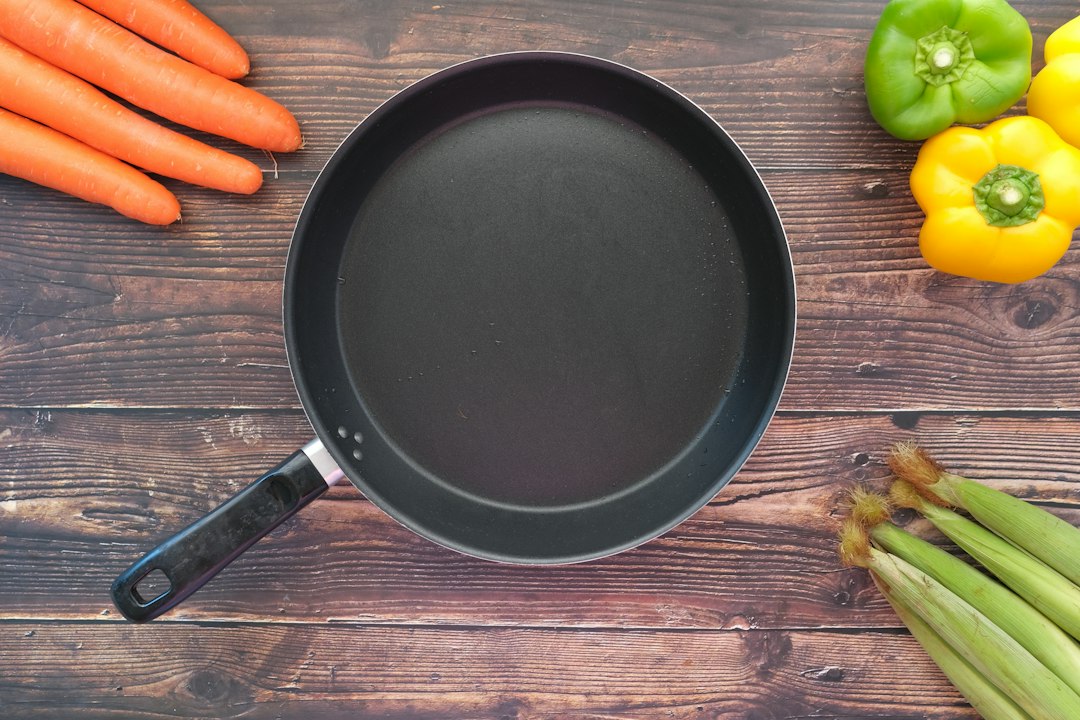
Find the best cast iron skillet care kit for cleaning, seasoning, and protecting your pan. Compare essential tools for simple, lasting maintenance.
A dependable cast iron skillet can last for generations, but only when it receives the right kind of care. The good news is that maintaining one does not require complicated techniques or a cupboard full of specialty products. A well-chosen cast iron skillet care kit gives you the practical tools needed to remove stuck-on food, dry the pan properly, protect its seasoning, and keep rust away. Whether you cook cornbread, seared steaks, fried eggs, or campfire meals, routine maintenance makes every meal easier and improves the naturally nonstick surface over time. This guide explains what to look for in a cast iron cleaning kit, which tools are genuinely useful, and how to use them without damaging your cookware. As an Amazon Associate, this site may earn from qualifying purchases, at no additional cost to you. Use the recommendations below to build a simple, effective skillet-care routine.
What Should a Cast Iron Skillet Care Kit Include?
The best cast iron skillet care kit focuses on a few hardworking essentials rather than unnecessary gadgets. At minimum, look for a stiff cleaning brush, a chainmail scrubber or scraper for stubborn residue, a food-safe seasoning oil, and a lint-free cloth or paper towels. These tools help you clean your skillet while preserving the polymerized oil layer that creates its dark finish and naturally slick cooking surface.
A chainmail scrubber is especially useful for lifting burnt bits after cooking burgers, bacon, potatoes, or sticky sauces. Unlike overly abrasive steel wool, quality stainless-steel chainmail can remove food residue without aggressively stripping well-established seasoning. Pair it with warm water and gentle pressure before reaching for stronger cleaning methods.
Many kits also include a pan scraper. This small, inexpensive tool is excellent for loosening food while the pan is still warm. Choose one with multiple corner shapes so it can fit into skillet edges, grill pan ridges, Dutch ovens, and griddles. A durable brush with heat-resistant bristles is another practical addition for everyday cleanup.
Finally, seasoning oil matters. While vegetable oil, canola oil, or shortening can work, a dedicated cast iron seasoning oil is convenient because it is formulated for high-heat seasoning and often comes in a small bottle that is easy to control. The goal is not to drown the skillet in oil; a very thin layer is what creates a smooth, durable finish.
How to Choose the Best Cast Iron Cleaning Kit
When comparing a cast iron cleaning kit on Amazon, prioritize material quality, useful components, and ease of storage. A kit is valuable when every item solves a real maintenance task. Avoid oversized bundles filled with novelty accessories that are unlikely to leave the drawer.
For scrubbers, stainless steel is the standard choice because it resists rust and holds up to repeated use. Look for welded rings and a comfortable size that can cover the cooking surface without being awkward to handle. A silicone insert or hanging loop can be helpful, but it is not essential. If you regularly cook delicate foods, choose a scrubber that feels flexible rather than excessively stiff.
For brushes and scrapers, heat resistance is important. A scraper should withstand contact with a warm pan, and the brush should have firm bristles that do not flatten quickly. Wooden-handled brushes can look attractive, but they should be dried thoroughly to prevent cracking or mildew. Plastic scrapers are usually dishwasher-safe, although hand washing is still easy.
Consider whether the kit includes an oil applicator or cloth. Soft cotton cloths work well for spreading a nearly invisible coat of oil after cleaning. Never leave a thick, wet layer behind; excess oil can become sticky, uneven, and unpleasant to cook on. Read recent customer reviews for details about durability, bristle shedding, and the scrubber's ability to reach skillet corners before you check the price.
A Simple Cast Iron Pan Maintenance Routine
Consistent cast iron pan maintenance is much easier than occasional deep restoration. Start cleaning shortly after cooking, once the skillet is safe to handle. Wipe out excess grease and food, rinse with hot water, and use a scraper or brush to remove remaining residue. A small amount of mild dish soap is acceptable when needed, especially for greasy food; modern dish soap does not contain the harsh lye that historically damaged seasoning.
For stuck-on food, add a little water to the skillet and warm it on the stove for a minute or two. The steam loosens residue so you can scrape it away. If necessary, use your chainmail scrubber with warm water. Do not soak cast iron in the sink for long periods, and do not put it in the dishwasher. Prolonged moisture is the quickest route to surface rust.
Drying is the most important step. Towel-dry the pan, then place it over low heat for a few minutes until all moisture has evaporated. With the pan warm, add a few drops of oil and spread them across the interior, exterior, handle, and rim. Buff until the surface looks dry rather than shiny. This light protective layer supports the seasoning and prevents rust during storage.
If your skillet develops dull spots, minor rust, or food starts sticking more than usual, perform a quick re-seasoning. Clean the skillet, dry it completely, apply a whisper-thin layer of oil, and bake it upside down at approximately 450°F for one hour. Put a sheet pan or foil on the rack below to catch any drips. Repeat as needed to rebuild the finish.
When to Use a Chainmail Scrubber, Brush, or Scraper
Different cleaning tools work best for different cooking messes. A pan scraper is your first choice for soft, fresh residue such as eggs, melted cheese, sauces, or browned vegetables. It is fast, gentle, and ideal for daily use. Keep one near the sink or stove so it becomes part of your normal cleanup routine.
A brush is useful when food particles are spread across the skillet or lodged around the sides. Use a firm brush with hot water for routine washing, particularly after cooking foods with sugary glazes or thick sauces. It can also clean the exterior of the pan and the handle, areas that are easy to overlook.
Save the chainmail scrubber for heavier jobs: charred meat drippings, baked-on starch, and stubborn bits that remain after scraping. Use steady but moderate pressure. You do not need to scour the skillet until it looks like bare gray metal; the objective is to remove food, not erase good seasoning. If the pan has severe rust, use the scrubber or fine steel wool only on the affected area, then wash, dry, and re-season promptly.
A thoughtful kit gives you all three options, making it easier to choose the least aggressive method that works. That approach protects the seasoning and reduces the amount of re-seasoning required over the life of your cookware.
Helpful Accessories for Long-Lasting Cast Iron
Beyond cleaning and oiling tools, a few accessories can make cast iron ownership safer and more convenient. A silicone handle cover protects hands from hot handles, while a sturdy leather holder offers a traditional look and can handle high temperatures when properly maintained. Always confirm that any handle cover is rated for oven use if you plan to bake with the skillet.
Pan protectors are also useful if you stack cookware. Felt or fabric protectors prevent scratches, trap less moisture than paper towels, and create a barrier between skillets, Dutch ovens, and lids. For humid kitchens, store pans in a dry cabinet and avoid sealing them in airtight containers. A folded paper towel inside the skillet can absorb moisture, but replace it regularly.
If you own several pieces of cookware, consider buying a complete cast iron skillet care kit that includes a scraper, brush, scrubber, and seasoning product. It can be more convenient than purchasing tools individually, especially for a new cast iron owner or as a practical housewarming gift. Before choosing a set, verify that it includes items you will actually use and that the oil is food-safe.
The right best cast iron accessories should simplify cooking, not create another chore. Build your collection around cleaning, drying, seasoning, and safe handling, and your skillet will be ready for weeknight dinners, outdoor cooking, and family recipes for years to come.
FAQ
- Can I use soap with a cast iron skillet?
- Yes. A small amount of mild dish soap is fine when grease or food residue needs extra help. Avoid soaking the skillet, rinse it well, dry it immediately over low heat, and apply a thin layer of oil afterward. Harsh cleaners, oven cleaner, and dishwasher cycles are more likely to damage seasoning or encourage rust.
- How often should I season my cast iron skillet?
- Lightly oil your skillet after most washes, especially when it is new or frequently used. A full oven seasoning is only needed when the surface becomes sticky, dull, rusty, patchy, or less nonstick. With regular care, many skillets need deep re-seasoning only occasionally.
- Will a chainmail scrubber ruin cast iron seasoning?
- A quality chainmail scrubber will not usually ruin well-established seasoning when used with moderate pressure. It removes stuck food effectively and is less aggressive than heavy scouring. If it removes a weak or damaged spot of seasoning, simply dry the pan and apply cast iron seasoning oil before the next use.
- What is the best oil for seasoning cast iron?
- High-smoke-point oils such as grapeseed, canola, sunflower, or vegetable oil are common choices. A dedicated seasoning oil is convenient because it is designed for cast iron care. Whichever oil you choose, apply an extremely thin coat and buff away excess before heating.
Conclusion
A reliable cast iron skillet care kit takes the uncertainty out of maintaining one of the most versatile pans in the kitchen. Start with the essentials: a scraper for quick cleanup, a brush for everyday washing, a chainmail scrubber for stubborn residue, and a quality oil for protecting the seasoning. The most important habits are simple: avoid long soaking, dry the skillet completely, and apply only a thin layer of oil after cleaning. With this routine, your skillet can become darker, smoother, and more naturally nonstick with every use. Choose tools made from durable materials, skip unnecessary extras, and select a kit that fits the cookware you already own. Ready to make skillet cleanup easier? Compare a well-reviewed cast iron cleaning kit on Amazon, read current buyer feedback, and check the price before adding the right care tools to your kitchen.
— Enjoyed this? Pass it on
— Want to build your own?
Publish articles like this in 90 seconds.
The whole terminal — AI writer, PA-API sync, refresh radar, auto-tweets — free for the first 3 articles.
Try for free