— amazon · Waterproof Mattress Protectors
Best Breathable Mattress Protector India: Buyer’s Guide
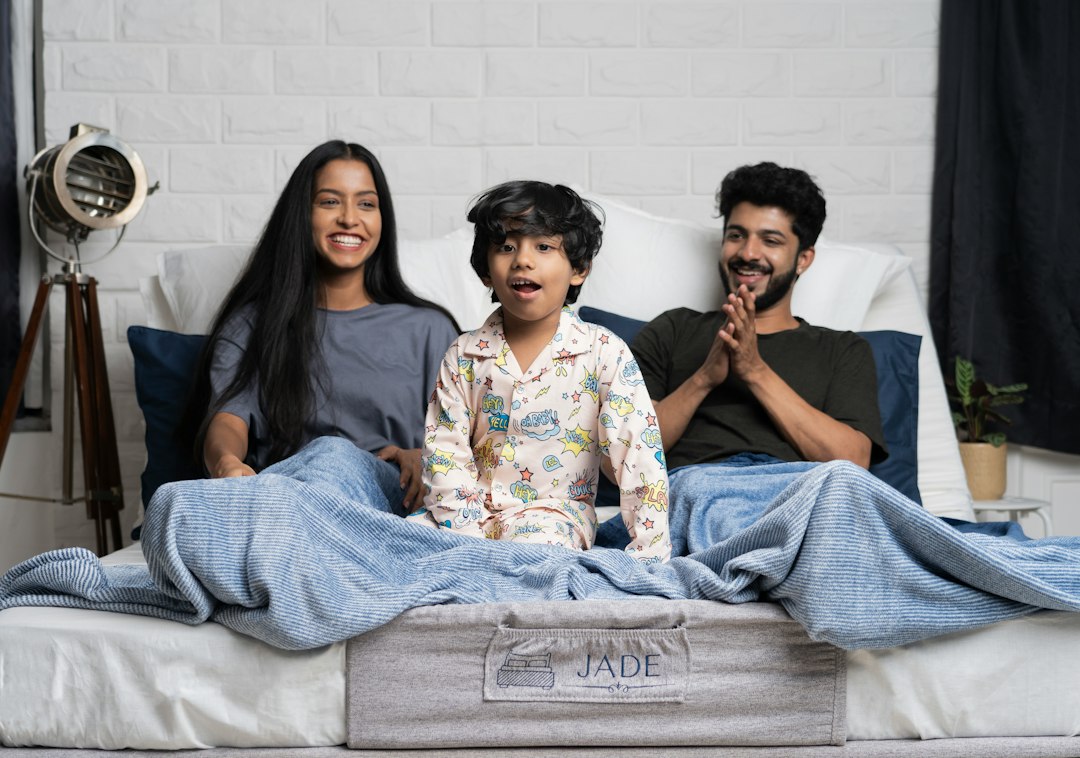

Find the best breathable mattress protector India shoppers can trust. Compare waterproof fabrics, cooling features, sizes, care tips, and buying advice.
A mattress is one of the most important investments in your bedroom, yet it faces everyday threats from sweat, spills, dust, pet accidents, and humidity. The right breathable mattress protector India buyers choose can keep a mattress cleaner without making the bed feel hot, noisy, or plastic-like. Unlike old-fashioned vinyl covers, modern waterproof protectors use a soft fabric top layer with a thin moisture-blocking membrane underneath. This design can help protect against liquids while allowing air and water vapour to move through the surface. Whether you sleep warm, have young children, share your bed with pets, or simply want to extend the life of an expensive mattress, choosing the right protector matters. This guide explains the fabrics, features, fit, and maintenance details to consider before ordering a breathable waterproof protector online in India.
Why Choose a Breathable Waterproof Mattress Protector?
A breathable mattress protector is designed to create a barrier between your body and the mattress without trapping excessive heat. This is especially useful in India, where warm temperatures, monsoon humidity, and night-time sweating can make beds feel uncomfortable. A quality waterproof mattress protector can block accidental spills, body oils, sweat, and minor pet messes before they reach the mattress foam or springs.
The key difference is the membrane. Many better protectors use TPU (thermoplastic polyurethane), a flexible waterproof layer that is generally quieter and more breathable than traditional PVC. It helps stop liquid penetration while allowing some airflow and moisture vapour transfer. The top surface may be cotton, terry cotton, bamboo-derived rayon, polyester, or a blended knit.
Using one can also make routine hygiene easier. You can remove and machine-wash the protector much more often than the mattress itself. For families with children, allergy-sensitive sleepers, or people recovering from illness, this washable layer adds practical reassurance. Look for a breathable waterproof protector rather than a completely sealed plastic cover if comfort is a priority.
Keep expectations realistic: no protector can make a hot room cool. However, a thin, well-made model can feel significantly less sweaty than a thick vinyl sheet and may preserve the feel of your mattress better.
Best Materials for a Cooling Mattress Protector
Material affects softness, breathability, durability, and how much sound the protector makes when you move. Cotton terry is a popular choice because it is absorbent, familiar, and comfortable against the skin. A cotton mattress protector with a TPU backing is often a sensible option for Indian homes because the surface absorbs minor moisture while the lower layer prevents leakage.
Jersey-knit cotton or cotton-rich fabric feels smoother and less towel-like than terry. It can be a good fit if you prefer the feel of a fitted sheet. Bamboo-derived rayon blends are often marketed as cooling because they feel silky and can wick moisture effectively, although actual cooling performance varies by fabric weight and weave.
Polyester surfaces are usually affordable, quick-drying, and durable, but lower-quality versions may feel warmer or less soft. Microfiber can be smooth, yet it may not be the best choice for very hot sleepers unless the product specifically uses a breathable membrane and lightweight construction.
- Best for natural feel: cotton terry or jersey cotton.
- Best for warm sleepers: lightweight cotton or bamboo blend with TPU.
- Best for easy care: polyester or cotton-poly blend.
- Best for complete coverage: zippered encasement protector.
When shopping on Amazon, read the full material description instead of relying only on words such as “cooling” or “premium.” check the price only after confirming the top fabric, waterproof layer, depth, and washing instructions match your needs.
How to Select the Right Size and Fit
A protector that does not fit properly can bunch up, slide at the corners, or reduce sleeping comfort. Measure your mattress before ordering: note the length, width, and most importantly, thickness. Standard labels such as single, double, queen, and king may differ slightly between brands in India. Always compare your measurements with the product’s size chart.
For a mattress protector king size, pocket depth is crucial. Many Indian mattresses are 6 to 10 inches thick, but orthopedic, pillow-top, and hybrid mattresses can be 12 inches or deeper. Choose an elasticated fitted protector with pockets at least as deep as your mattress. If your mattress is 8 inches thick, a 10- to 12-inch pocket usually gives a more secure grip.
There are three common designs:
- Fitted-sheet style: Easy to install, covers the sleeping surface and sides, and works well for everyday use.
- Flat protector: Usually placed under a fitted sheet; it may shift unless secured with straps.
- Full encasement: Covers all sides with a zip closure, offering more complete protection from dust and bed bugs.
If spills are your biggest concern, choose a fitted waterproof bed protector with elastic corners and a waterproof surface. If allergies or pests are the concern, consider a certified zippered encasement. Do not assume a protector will fit merely because it is labelled queen or king; dimensions are more reliable than labels.
Features That Matter Before You Buy
Not every waterproof protector performs the same way. A few practical features can make the difference between a useful bedroom essential and an annoying layer you stop using.
Waterproof performance: Look for a TPU-backed product and clear wording that it protects against liquid spills. Review feedback for reports of leakage after washing, but remember that a few isolated reviews do not always represent the entire product.
Noise level: Some waterproof layers crinkle when you turn in bed. Descriptions such as “noiseless,” “silent,” or “soft TPU” can be helpful, although customer reviews are the best place to verify this claim.
Breathability: A thin membrane and lightweight top fabric generally feel less stuffy. Heavy quilting may feel plush but can retain more warmth. Hot sleepers should favor a low-profile cooling mattress protector instead of a thick padded style.
Certifications and skin safety: If available, look for certifications such as OEKO-TEX Standard 100, which indicates the textile has been tested for certain harmful substances. This can be particularly relevant for babies, children, and sensitive skin.
Warranty and return policy: Read the listing carefully. Waterproof performance claims, wash-related damage, and fit issues may be treated differently under each seller’s policy. Amazon prices and availability can change, so it is wise to compare current offers before you buy.
Affiliate disclosure: This article may contain Amazon affiliate links. If you purchase through an eligible link, we may earn a commission at no extra cost to you.
Care Tips to Make Your Mattress Protector Last
Correct washing helps preserve the waterproof membrane. Most protectors can be machine-washed, but always follow the specific care label because heat and harsh chemicals can damage TPU coatings over time. Wash the protector before first use if the manufacturer recommends it, especially for a cotton mattress protector.
Use cold or lukewarm water, a mild liquid detergent, and a gentle cycle. Avoid bleach, fabric softener, and strong stain removers unless the brand explicitly permits them. Fabric softener can leave a coating that reduces absorbency, while high heat can weaken the waterproof layer.
Line drying is usually the safest option in India’s sunny climate, but avoid prolonged harsh sunlight if the label advises shade drying. If you use a dryer, select low heat. Do not iron the waterproof side. Wash promptly after major spills and aim for regular cleaning every one to two months, depending on sweating, allergies, pets, and household conditions.
A protector cannot repair an already stained or damp mattress, so treat accidents quickly. Remove bedding, wash the protector, blot the mattress surface, and allow the mattress to dry completely before remaking the bed. With sensible care, a breathable waterproof protector can provide years of useful mattress protection.
Frequently Asked Questions
- Is a breathable mattress protector really waterproof?
- Yes, a well-made breathable mattress protector can be waterproof while still feeling more comfortable than vinyl. It typically uses a thin TPU membrane that blocks liquid but is more flexible and breathable than older plastic materials. Check product specifications to confirm that the waterproof layer covers the full sleeping surface.
- Which is better: cotton or polyester mattress protector?
- Cotton is usually better for sleepers who want a softer, more natural, and more absorbent surface. Polyester is often more affordable and dries faster. For many households, a cotton-top protector with a TPU waterproof backing offers the best balance of comfort and protection.
- Will a waterproof mattress protector make my bed hot?
- Some thick or low-quality protectors can retain heat, but a lightweight breathable waterproof protector is less likely to do so. Choose cotton, jersey, or bamboo-blend tops, a thin TPU membrane, and a low-profile design if you are a warm sleeper.
- How often should I wash a waterproof bed protector?
- Wash it every one to two months for normal use, or more frequently if there are spills, allergies, pets, heavy sweating, or young children in the home. Use mild detergent, avoid bleach and fabric softener, and dry on low heat or air-dry according to the care label.
Conclusion
Finding the best breathable mattress protector India shoppers need is less about choosing the cheapest listing and more about matching the protector to your sleeping conditions. Start with accurate mattress measurements, then choose a fitted design with enough pocket depth. For everyday comfort, prioritize a soft cotton or cotton-blend surface with a thin TPU waterproof layer. Warm sleepers should avoid overly thick padded designs, while families with children or pets may value stronger waterproof coverage and easy machine washing. Product reviews, fabric details, warranty information, and current sizing charts are all worth checking before placing an order. A dependable protector can help keep your mattress fresher, reduce the impact of accidental spills, and simplify bedroom hygiene. Ready to protect your bed without sacrificing comfort? Compare breathable options, read verified buyer feedback, and check the price for a protector that fits your mattress and budget.
— Enjoyed this? Pass it on
— Want to build your own?
Publish articles like this in 90 seconds.
The whole terminal — AI writer, PA-API sync, refresh radar, auto-tweets — free for the first 3 articles.
Try for freeContinue reading
Waterproof Mattress Protectors
Best Waterproof Mattress Protector India: Buying Guide
Waterproof Mattress Protectors
Best Breathable Mattress Protector India Buying Guide
Waterproof Mattress Protectors
Best Waterproof Mattress Protector India: 2026 Buying Guide
Waterproof Mattress Protectors