— amazon · Air Fryer Accessories
Best Air Fryer Baking Moulds: How to Choose the Right One
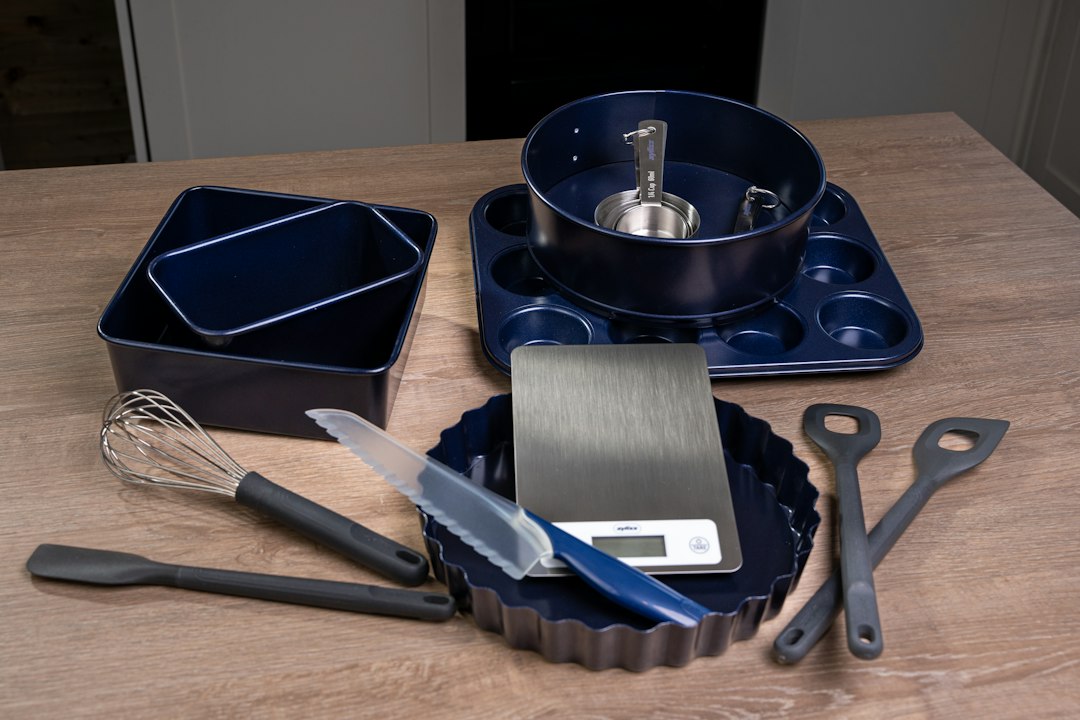

Find the best air fryer baking mould for cakes, eggs, bread and more. Compare safe materials, sizes and features for easy, mess-free baking.
An air fryer baking mould can turn your countertop appliance into a compact oven for cakes, brownies, egg bites, cinnamon rolls, mini loaves, and savoury bakes. Instead of trying to shape foil or balancing food directly in the basket, the right mould creates a stable surface, contains wet batter, and makes cleanup far easier. However, not every bakeware item fits every air fryer. Basket dimensions, usable height, material, handle design, and heat resistance all matter when choosing an accessory. This guide explains how to select an air fryer baking mould that suits your machine and the recipes you actually make. You will also learn the practical differences between silicone, metal, glass, and paper options, plus tips for preventing undercooked centres and stuck-on food. As an Amazon Associate, this site may earn from qualifying purchases at no extra cost to you.
Why Use an Air Fryer Baking Mould?
An air fryer baking mould is a heat-safe container designed to hold food while hot air circulates around it. It is especially useful for recipes with liquid, soft, or crumbly ingredients that would otherwise fall through a perforated basket. Think muffin batter, cheesecakes, custards, scrambled eggs, baked oats, and small casseroles.
The main benefit is control. A mould gives batter a defined shape and helps it bake more evenly than a makeshift foil tray. It can also reduce mess from melted cheese, sauces, and drips. Many reusable moulds are dishwasher-safe, making them a practical alternative to disposable liners for frequent baking.
It is important to remember that air fryers cook through fast-moving hot air. Do not choose a mould that completely fills or blocks the basket. Leave a visible gap around the sides and above the mould whenever possible so air can circulate. A correctly sized accessory improves browning, while an oversized pan can lead to pale tops, slow cooking, and uneven results.
For shoppers building a useful collection of air fryer accessories, a versatile round or square mould is often one of the first items worth considering. It can cover far more recipes than a single-purpose egg-bite tray or mini doughnut pan.
Choose the Right Size for Your Air Fryer
Before buying an air fryer baking mould, measure the inside of your basket or oven-style rack area. Measure the narrowest internal width, the front-to-back depth, and the height beneath the heating element. Manufacturer capacity alone is not enough: two air fryers labelled with the same quart capacity can have very different basket shapes.
For a basket-style air fryer, a mould that is roughly 1 to 2 inches smaller than the basket on each side usually leaves room for airflow. Round pans commonly fit round baskets well, while square or rectangular pans can make better use of space in drawer-style models. A shallow pan works well for brownies, cookies, and flatbreads; a deeper pan is more suitable for cakes, bread puddings, and pasta bakes.
Height matters just as much as diameter. Avoid filling any mould to the rim because cakes, egg dishes, and bread can rise. Leave at least one-third of the mould empty for expansion, and ensure the food will not sit too close to the heating element.
If you are buying an air fryer cake pan, check both the listed exterior dimensions and the base dimensions. Handles, rims, and latches can add width that prevents an otherwise suitable pan from fitting. Reviewing the dimensions on the Amazon product page and comparing them with your appliance manual can prevent a frustrating return.
Silicone vs Metal vs Glass Baking Moulds
Material affects browning, release, durability, and cooking time. The best option depends on what you plan to bake most often.
Silicone: A silicone baking mould is flexible, naturally nonstick, lightweight, and easy to store. It is excellent for egg bites, muffins, mini cheesecakes, and sticky bakes. Look for food-grade, BPA-free silicone with a clearly stated oven-safe temperature rating that exceeds your air fryer temperature. Thicker silicone holds its shape better, while moulds with reinforced rims are easier to lift when full. Because silicone is not as conductive as metal, foods may brown less aggressively and can need a few extra minutes.
Metal: Aluminum, carbon steel, and stainless steel pans conduct heat efficiently and often produce better browned edges on cakes, brownies, and roasted dishes. A nonstick metal pan can be an excellent all-purpose choice, but confirm that its coating is suitable for the manufacturer-recommended air fryer temperatures. Use silicone-tipped tongs or heat-resistant gloves when removing it, as metal becomes very hot.
Glass and ceramic: Oven-safe glass or ceramic dishes can be useful for gratins and individual casseroles, provided their manufacturer approves the temperature range. They are heavier and should be handled carefully to avoid thermal shock. Never place a cold glass dish directly into a preheated air fryer unless the product instructions specifically say it is safe to do so.
Paper liners: Disposable baking cups and parchment liners are convenient, but they are not a replacement for a sturdy mould when using wet batter. Keep paper weighted down by food and never place an empty liner in a running air fryer, where it could lift toward the heating element.
Features That Make a Baking Mould Easier to Use
The best air fryer baking dishes are simple, but a few details can make a major difference in daily use. First, choose a product with a clearly printed heat rating. Most air fryers operate up to around 400°F, so the mould should safely exceed your normal cooking temperature. Do not assume every silicone item is heat-safe enough; always verify the manufacturer information.
Handles or side tabs are helpful, especially on flexible silicone. They make it easier to lift a hot mould without squeezing delicate cakes or spilling sauces. If the mould does not have handles, make sure there is enough space around it to grip it with tongs or a small lifting sling.
For silicone, a reinforced structure is valuable. Very thin moulds may buckle when filled with batter, making transfers difficult. For metal, look for smooth rolled edges and a durable coating. A removable base can make cake removal easier, but it also creates a potential leak point for thin batters.
Versatility is another buying factor. A 6- to 8-inch round mould, depending on your air fryer dimensions, can handle cakes, cornbread, dips, and breakfast bakes. Multi-cavity moulds are ideal for portions but less flexible for other recipes. If you are comparing options, check the price, dimensions, material specifications, and recent customer reviews rather than choosing based on colour or included accessories alone.
How to Bake Successfully With an Air Fryer Mould
Good results begin with airflow and temperature control. Preheat only if your air fryer manual or recipe recommends it, then place the filled mould in the basket with clearance around its edges. Avoid stacking pans unless your appliance includes racks designed for multi-level cooking. Stacking blocks heat and can leave the lower dish undercooked.
For cakes and quick breads, start with a temperature 25°F to 50°F lower than a conventional oven recipe and check earlier than the stated oven time. Air fryers can brown the top quickly while the centre remains soft. If the surface is becoming too dark, loosely cover it with foil after the batter has set, taking care not to seal off all airflow.
Do not overfill. Most batters should fill a mould no more than two-thirds full. For egg dishes and casseroles, leave room for bubbling. Use a toothpick, instant-read thermometer, or gentle centre press to test doneness according to the recipe. Let baked goods rest in the mould for 5 to 10 minutes before removing them; this helps delicate items hold their shape.
Finally, clean the mould after it cools. Soak baked-on residue in warm soapy water instead of using abrasive scrubbers on nonstick coatings or silicone. With proper care, a quality oven-safe silicone mould or metal pan can provide years of compact, convenient air fryer baking.
Frequently Asked Questions
- Can you put a silicone baking mould in an air fryer?
- Yes, provided the silicone baking mould is food-grade and rated for temperatures at or above your air fryer's cooking setting. Place it securely in the basket, keep it away from the heating element, and leave space around it for air circulation. Do not use damaged, flimsy, or unlabelled silicone products.
- What size air fryer baking mould should I buy?
- Measure the usable interior of your air fryer basket or rack area first. Choose a mould that leaves about 1 to 2 inches of clearance around the sides where possible. Also check the height, including rising room for cakes and breads. A mould that fits physically but blocks airflow may cook poorly.
- Do cakes cook differently in an air fryer cake pan?
- They can. An air fryer cake pan is exposed to intense circulating heat, so the top and edges may brown faster than in a conventional oven. Use a slightly lower temperature than the original oven recipe suggests, begin checking early, and loosely tent the top with foil if it browns before the centre is done.
- Do I need to grease an air fryer baking mould?
- For most silicone moulds, greasing is optional but can help with delicate cakes, sticky sauces, and low-fat recipes. Metal pans generally benefit from a light coat of oil, butter, or baking spray unless the recipe states otherwise. Greasing also helps preserve clean edges when removing baked goods.
Conclusion
The right air fryer baking mould makes it easier to prepare everything from weekday egg bites to small celebration cakes without heating a full-sized oven. Start by measuring your appliance, then select a heat-safe material and shape that leaves enough room for proper air circulation. Silicone is a convenient choice for flexible, easy-release baking, while a metal pan is often better when deep browning and crisp edges matter. Prioritize verified temperature ratings, sturdy construction, and dimensions that match your specific air fryer rather than relying only on capacity labels. Once you have a well-fitting mould, reduce recipe temperatures slightly, avoid overfilling, and check food early for the most reliable results. Ready to upgrade your setup? Compare compatible options, read current buyer feedback, and check the price before choosing the mould that best fits your favourite air fryer recipes.
— Enjoyed this? Pass it on
— Want to build your own?
Publish articles like this in 90 seconds.
The whole terminal — AI writer, PA-API sync, refresh radar, auto-tweets — free for the first 3 articles.
Try for freeContinue reading