— amazon · Air Fryer Accessories
Best Air Fryer Baking Moulds: A Smart Buying Guide
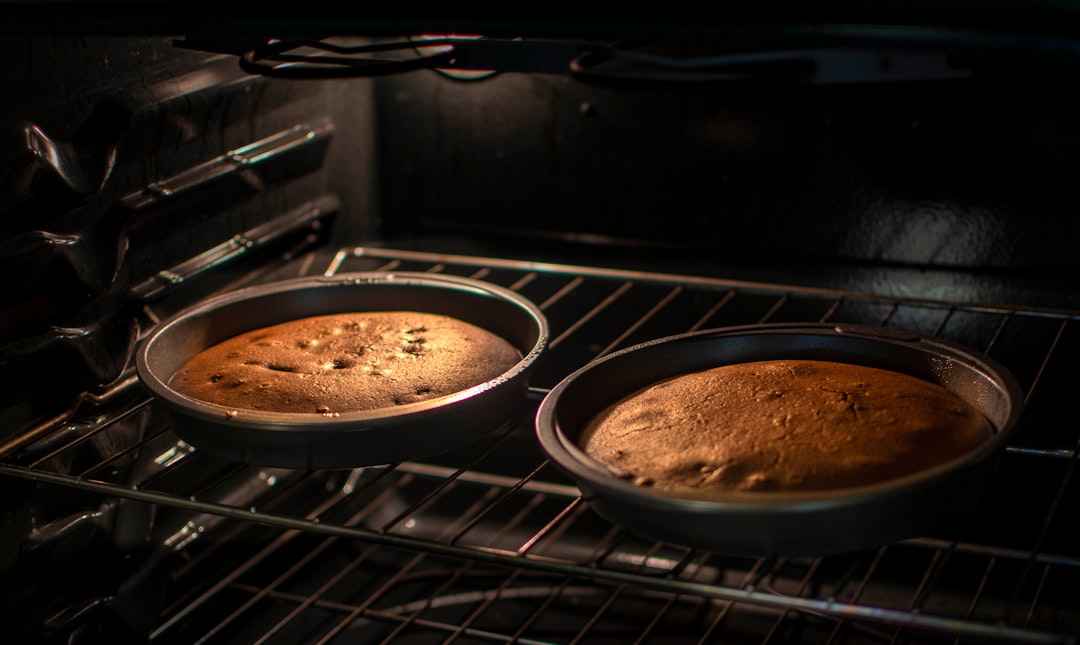

Find the best air fryer baking mould for cakes, eggs, and breads. Compare silicone, metal, and paper options with smart sizing and care tips.
An air fryer baking mould can turn a compact countertop appliance into a surprisingly capable mini oven. Whether you want fluffy breakfast egg bites, a small chocolate cake, crisp-edged brownies, muffins, or a fresh loaf of banana bread, the right mould helps food cook evenly and release without a mess. However, not every bakeware item that fits inside an air fryer is a good choice. The material, shape, depth, handles, heat resistance, and clearance around the basket all affect the final result. This guide explains how to choose the best air fryer baking mould for your cooking style, compares silicone, metal, and disposable options, and shares practical sizing advice. As an Amazon Associate, we may earn from qualifying purchases, at no extra cost to you. Use these tips to find bakeware that suits your air fryer and makes small-batch baking easier.
Why Use an Air Fryer Baking Mould?
An air fryer works by circulating hot air around food, producing quick cooking and browned surfaces with less preheating than a full-size oven. A dedicated air fryer baking mould contains loose batters, eggs, sauces, and melted cheese that would otherwise drip through the basket. It also gives baked foods a defined shape and makes serving more convenient.
For small households, air fryer bakeware is especially useful because it encourages portion control. Instead of making a large cake or a dozen muffins, you can bake a four-inch cake, two mini loaves, or a handful of cupcakes. This can reduce leftovers while still satisfying a baking craving.
The key advantage is versatility. A well-chosen mould can handle sweet and savoury recipes, including cheesecakes, frittatas, baked oatmeal, cornbread, cinnamon rolls, lasagna portions, and roasted vegetable gratins. Choose oven-safe products rated above your air fryer’s maximum temperature, usually 400°F or 204°C. Never use a mould that blocks the basket completely, because good airflow is essential for reliable browning.
Choose the Right Material: Silicone, Metal, or Paper
Material has the biggest impact on release, browning, cleaning, and durability. A silicone air fryer mould is flexible, naturally non-stick, lightweight, and ideal for egg bites, muffins, mini cakes, and sticky recipes. Food usually releases easily after a brief cooling period, although silicone does not brown crusts as deeply as metal. Look for food-grade silicone with a reinforced rim or sturdy handles, since flimsy cups can be awkward to lift when full.
Metal bakeware, including carbon steel, aluminized steel, and anodized aluminum, is usually the best option for stronger browning. A round cake pan can create more traditional cake edges, while a small loaf pan gives quick breads better structure. Select a pan with a non-stick coating or line it with parchment where appropriate. Avoid scratched, peeling, or uncoated pans that may react with acidic foods.
Paper liners and disposable baking cups are convenient for muffins, cupcakes, and individual egg portions. They simplify cleanup but need support from a rigid tray, silicone cup, or mould so batter does not spread. Paper alone can lift or blow around in a powerful air fryer fan. For reusable everyday baking, silicone or metal is typically the better long-term investment.
- Silicone: easiest release and cleanup; best for soft foods.
- Metal: better browning and firmer edges; ideal for cakes and breads.
- Paper: convenient for portions; best used with sturdy support.
Measure Your Air Fryer Before Buying
Before adding any air fryer baking accessories to your cart, measure the usable interior of your basket or oven-style tray. Measure width, length, and height, then compare those dimensions with the mould’s outer measurements, including handles and rims. A pan that technically fits but touches the sides may restrict airflow and cook unevenly.
Leave roughly half an inch of space around the mould where possible. Air needs room to move over the top and around the sides. Height matters too: a deep mould may fit inside an empty basket but sit too close to the heating element once a cake rises. For most basket-style units, shallow four-inch to seven-inch pans, mini loaf moulds, and individual cups are practical choices. Larger oven-style air fryers can often accommodate an eight-inch pan, but always confirm your manufacturer’s guidance.
Consider how you will remove the bakeware safely. A mould with small handles, a removable sling, or a fitted rack can prevent spills. Silicone moulds are often easiest to grip with tongs, while metal pans may require heat-resistant gloves. If you are shopping online, review the listed dimensions rather than relying only on photos. A compact air fryer baking mould set with several shapes can be useful when you are still discovering which recipes you make most often.
Best Shapes for Popular Air Fryer Recipes
The best shape depends on what you plan to bake. Round pans are versatile for layer cakes, brownies, cookie cakes, cinnamon rolls, and dips. A six-inch round pan is a popular starting size for many medium basket air fryers. Choose a deeper version for cheesecake or sponge cake, but do not fill it more than two-thirds full because air fryer heat can make batter rise quickly.
Square and rectangular pans suit brownies, bars, baked oats, small casseroles, and nachos. Mini loaf pans are excellent for banana bread, meatloaf, and individual sandwich loaves. Muffin cups and egg-bite trays are perfect for meal prep because they create uniform portions that cook at a similar rate.
For foods that benefit from crisp bases, use metal when possible and preheat briefly if your appliance instructions allow it. For delicate recipes, silicone is forgiving and reduces sticking. A little oil spray or a small parchment round can still improve release, especially with low-fat batter. Avoid overfilling every mould: air fryers brown tops quickly, and overflowing batter can burn on the heating element.
When comparing products on Amazon, check the price, dimensions, temperature rating, and recent customer photos. Reviews can reveal whether a mould holds its shape, fits common basket sizes, or is difficult to clean around seams.
How to Use and Care for Air Fryer Bakeware
For consistent results, preheat only when your recipe or air fryer manual recommends it. Place the filled mould on the basket, rack, or crisper plate so hot air can circulate underneath. Do not stack moulds unless your accessory rack is designed for stacking and you are prepared to rotate them halfway through cooking.
Air fryer recipes often need a lower temperature or shorter time than conventional oven recipes. A useful starting point is reducing oven temperature by 25°F and checking food early. Since every appliance circulates air differently, use a toothpick for cakes, a thermometer for egg dishes and meatloaf, and visual checks for browning. If a cake top darkens before the center is done, loosely tent it with foil, ensuring the foil is secured and cannot contact the heating element.
Let baked goods cool in the mould for five to ten minutes before turning them out. This is particularly important for silicone, which stays flexible and can distort a hot cake if handled too soon. Wash moulds after each use with warm soapy water, using a soft sponge on non-stick surfaces. Silicone can retain grease odors over time; soak it in hot water with baking soda, rinse thoroughly, and air-dry completely. Replace any mould that is warped, cracked, peeling, or no longer stable.
Frequently Asked Questions
- Can I put a silicone air fryer mould in any air fryer?
- Usually, yes, if it is food-grade, oven-safe above your air fryer’s maximum temperature, and small enough to leave airflow around it. Measure your basket or tray first, and make sure the mould cannot touch the heating element.
- Is silicone or metal better for air fryer baking?
- Silicone is better for easy release, egg bites, muffins, and delicate foods. Metal is generally better for browning, crisp edges, and structured cakes or breads. Many home cooks keep both types for different recipes.
- Do I need to grease an air fryer baking mould?
- Greasing is recommended for many cakes, brownies, and egg recipes, even when using non-stick silicone. A light coat of oil, butter, or baking spray improves release and helps prevent stubborn residue.
- What size air fryer cake pan should I buy?
- A four-inch to six-inch pan fits many basket-style air fryers, while larger oven-style models may hold seven-inch or eight-inch pans. Always use the internal dimensions of your appliance and allow space around the pan for airflow.
Conclusion
The best air fryer baking mould is one that fits your appliance with room for airflow and matches the foods you actually enjoy making. Choose silicone for flexible, non-stick convenience and individual portions, or choose metal when golden edges and stronger browning matter most. Measure before ordering, check the heat rating, and avoid overly deep pans that sit close to the heating element. A small selection of round pans, muffin cups, and mini loaf moulds can cover most sweet and savoury air fryer recipes without crowding your kitchen. If you are building your accessory collection, compare a silicone air fryer mould with a sturdy metal pan to see which style suits your results. Ready to bake smaller, faster batches at home? Check the price on well-reviewed options, confirm the dimensions, and choose an air fryer baking mould that makes your next cake, breakfast, or snack effortless.
— Enjoyed this? Pass it on
— Want to build your own?
Publish articles like this in 90 seconds.
The whole terminal — AI writer, PA-API sync, refresh radar, auto-tweets — free for the first 3 articles.
Try for freeContinue reading