— amazon · Air Fryer Accessories
Best Air Fryer Baking Mould: A Smart Buyer’s Guide
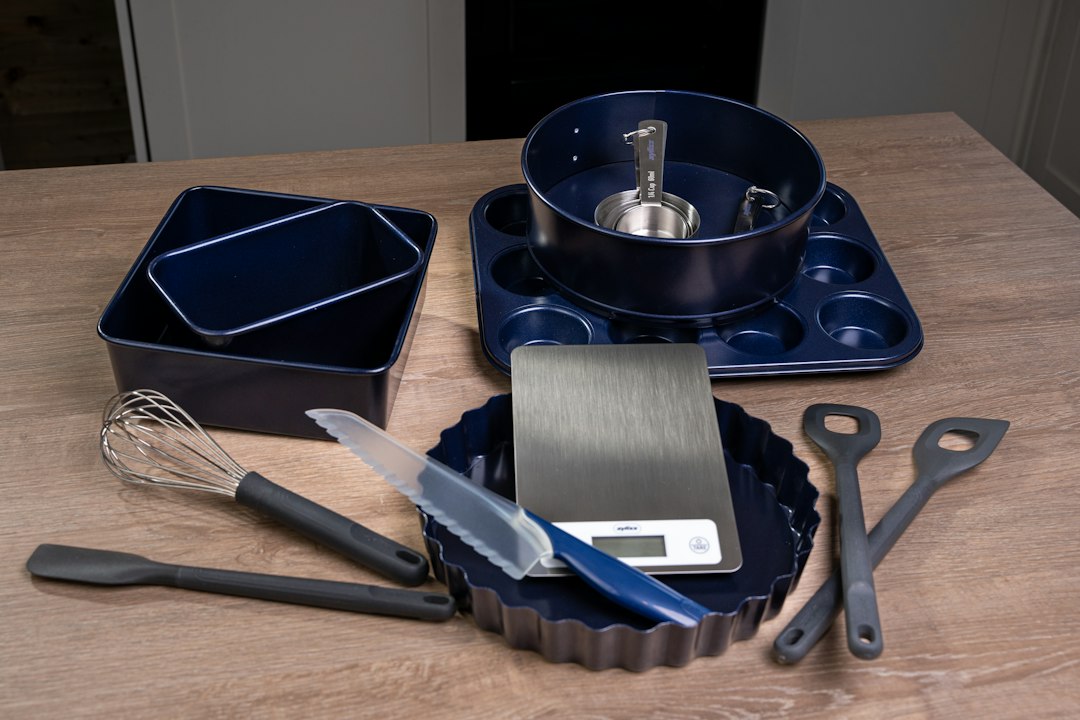

Find the best air fryer baking mould for cakes, muffins, bread, and egg bites. Compare silicone, metal, and size options for easy, reliable baking at home.
An air fryer baking mould can turn a compact countertop appliance into a surprisingly capable mini oven. Whether you want fluffy muffins, a small birthday cake, gooey brownies, egg bites, or a loaf of banana bread, the right mould makes baking easier, cleaner, and more consistent. Instead of lining the basket with foil or trying to balance a dish that does not fit, dedicated air fryer bakeware gives your recipe shape while allowing hot air to circulate around it. The best choice depends on your basket dimensions, the foods you make most often, and whether you prefer flexible silicone or sturdy metal. This guide explains how to choose an air fryer baking mould, what sizes and materials work best, and how to avoid common mistakes such as overfilling, blocked airflow, and uneven browning. Use these tips before shopping Amazon to find a practical mould you will reach for every week.
What Is an Air Fryer Baking Mould?
An air fryer baking mould is a heat-safe pan, cup, tray, or shaped container designed to fit inside an air fryer basket or oven-style air fryer. It holds wet batters and soft foods that would otherwise spread, drip, or fall through the cooking rack. Popular styles include round cake tins, square brownie pans, loaf pans, muffin cups, donut moulds, ramekins, and egg-bite trays.
Unlike a standard oven, an air fryer cooks with a concentrated stream of circulating hot air. That fast airflow can produce crisp edges and quick baking times, but it also means oversized or deep containers may cook unevenly. A well-sized mould leaves room around its sides so air can move freely. It should sit stable in the basket without covering important vents or touching the heating element.
Most products marketed for air fryers are also usable in conventional ovens, microwaves, refrigerators, and freezers, but always verify the manufacturer’s temperature rating before use. A mould should be clearly labeled food-grade and heat-safe. Never assume that a plastic container, coated paper cup, or decorative dish is suitable simply because it fits in the basket.
For versatile everyday use, many home cooks start with a round air fryer cake pan and a set of reusable muffin cups. This combination handles cakes, cinnamon rolls, brownies, individual cheesecakes, breakfast egg cups, and more without taking up much cupboard space.
Silicone vs. Metal: Which Material Is Best?
Silicone and metal are the two most useful materials for air fryer baking, and each has advantages. A silicone air fryer baking mould is flexible, naturally nonstick, lightweight, and simple to clean. It is especially helpful for muffins, cupcakes, mini frittatas, egg bites, and shaped treats because food releases easily after cooling. Flexible silicone also stores neatly and is less likely to scratch a nonstick basket.
Look for oven-safe silicone moulds made from food-grade silicone with a stated maximum temperature higher than your air fryer’s highest setting. Quality silicone should feel sturdy enough to hold its shape when filled. Very thin options can buckle under cake batter, so placing them on a rack, tray, or small metal support before filling may make transfer safer.
Metal bakeware, including aluminum, carbon steel, and stainless-steel pans, is generally more rigid and often browns baked goods better. A metal pan can be an excellent choice for sponge cakes, brownies, biscuits, and small loaves where you want firmer edges. However, metal heats quickly, so recipes may need a slightly lower temperature or closer monitoring than silicone versions.
For most buyers, silicone is the convenient all-rounder, while metal is the better pick for crispness and defined browning. If you bake frequently, owning one of each is practical. Whichever material you select, leave a little clearance around the mould and avoid stacking pans unless your recipe and appliance specifically support multi-level cooking.
How to Choose the Right Size and Shape
Size is the most important factor when choosing air fryer bakeware. Measure the usable interior of your basket, not only the outside of the appliance. Check the width, length, and height at the narrowest point, because tapered baskets can be smaller at the base. Then compare those measurements with the product listing, including handles, rims, and any reinforced edges.
A mould that fits too tightly can restrict airflow and cause pale spots or longer baking times. Ideally, leave roughly 1 to 2 cm of open space around the sides whenever possible. In a drawer-style unit, a 6-inch to 7-inch round pan is often a useful starting point, but this varies widely by air fryer capacity. Larger oven-style models may accommodate 8-inch pans, loaf tins, or multiple cups on a rack.
Choose shape based on what you actually cook. A round pan works for cakes, cobblers, deep-dish cookies, and cinnamon rolls. A square or rectangular pan is useful for brownies, bars, lasagna, and small casseroles. Individual cups are ideal for portions, snacks, and meal prep. A loaf mould suits quick breads, meatloaf, and baked oatmeal.
Before adding batter, test the empty mould in the cool basket. Make sure the drawer closes smoothly and the food will sit below the top heating area. If you are comparing options on Amazon, check the price, dimensions, material, and customer photos rather than relying only on the product title. Real-world photos can reveal whether a pan is rigid, shallow, or smaller than expected.
Tips for Better Baking Results in an Air Fryer
Air fryer baking is fast, so small adjustments make a big difference. Start by preheating only if your air fryer manual or recipe recommends it. For cakes and muffins, preheating can help create a more even rise, while some dense recipes work well without it. In general, reduce a conventional oven recipe temperature by about 15 to 25°F and begin checking for doneness earlier than the original recipe states.
Do not fill any air fryer baking mould to the top. Cake and muffin batters expand as they cook, and overfilled cups can overflow into the basket. Filling cavities about two-thirds to three-quarters full is usually safer. For loose batter in flexible moulds, place the mould in the basket first and then pour carefully, or support it on a small tray during transfer.
Because the upper heating element is close to the food, tops may brown before the center is baked. If this happens, loosely cover the mould with a small piece of foil after the top has set. Keep the foil secured and away from the heating element; never use loose paper liners or parchment without food weighing them down.
Use the toothpick test for cakes and quick breads, but also look for visual cues. A finished cake should spring back lightly when touched, brownies should have set edges with a slightly soft center, and egg bites should be fully firm. Let baked goods rest in the mould for five to ten minutes. This short cooling period improves structure and makes silicone cups easier to release.
Care, Safety, and Worthwhile Accessories
Proper care helps your bakeware last longer and keeps flavors fresh. Wash a silicone air fryer baking mould with warm water, mild dish soap, and a soft sponge after each use. Silicone can retain grease if it is not cleaned thoroughly, so occasionally soak it in hot soapy water or follow the maker’s dishwasher guidance. Avoid cutting directly inside silicone moulds with sharp knives.
For metal pans, use nonabrasive utensils and avoid harsh scouring pads that can damage nonstick coatings. Grease or line metal bakeware when the recipe calls for it, even if the pan is labeled nonstick. A light coating of oil, butter, or baking spray improves release and can make cleanup easier.
Useful companion accessories include heat-resistant tongs, silicone mitts, a small cooling rack, and reusable paper or silicone liners. Tongs are particularly helpful because a hot pan can be difficult to lift out of a deep basket. If your air fryer has a rack system, confirm that the mould remains level and cannot slide during cooking.
Safety matters more than convenience. Do not use cracked ceramic, thin disposable plastic, wax paper, or containers with unknown heat ratings. Keep handles and tall mould edges away from the heating coil. Also avoid covering all basket openings with a solid pan. Airflow is essential to the appliance’s performance, and leaving space around the bakeware leads to more reliable results.
Amazon listings can make comparison shopping simple, but verify compatibility with your specific appliance before ordering. Product dimensions, temperature limits, dishwasher instructions, and included pieces are more useful than vague claims such as “universal fit.” A versatile set with muffin cups plus a small cake pan can offer better value than a large collection of shapes you rarely use.
Frequently Asked Questions
- Can I use a regular cake tin in an air fryer?
- Yes, provided it is oven-safe, fits comfortably inside the basket or oven cavity, and leaves room for airflow. Check that the pan does not touch the heating element or block the drawer from closing. A compact air fryer cake pan is usually easier to use than a full-size oven tin.
- Do silicone moulds work well in an air fryer?
- Yes. A silicone air fryer baking mould works very well for muffins, egg bites, cupcakes, and soft baked items. Choose sturdy food-grade silicone with a clear temperature rating, avoid overfilling it, and let food cool briefly before removing it from the mould.
- Do I need to grease an air fryer baking mould?
- It depends on the recipe and material. Silicone is naturally nonstick, but a light coating can still improve release for sticky foods. Metal pans usually benefit from grease, baking spray, parchment, or a liner, particularly for cakes and brownies.
- What temperature should I use for air fryer baking?
- Many oven recipes bake successfully when the temperature is lowered by 15 to 25°F, but every air fryer runs differently. Start checking early, use the recipe’s doneness cues, and adjust future batches. Thick cakes and loaves may need lower heat and more time to cook through without over-browning.
Conclusion
The right air fryer baking mould makes it easier to enjoy homemade cakes, muffins, brownies, breakfast cups, and small-batch breads without heating a full oven. Start with the dimensions of your appliance, then choose a shape that suits your regular recipes. A sturdy silicone air fryer baking mould is an excellent choice for flexible, low-fuss everyday baking, while a compact metal pan can deliver more pronounced browning and crisp edges. Focus on food-safe materials, verified heat ratings, stable construction, and enough room for air circulation. Remember to reduce temperature slightly, avoid overfilling, and check baked goods early because air fryers cook quickly. Ready to upgrade your air fryer setup? Compare compatible mould sizes, read recent buyer feedback, and check the price on Amazon before choosing a set that matches your favorite recipes. A small, well-chosen piece of bakeware can make your air fryer far more useful every day.
— Enjoyed this? Pass it on
— Want to build your own?
Publish articles like this in 90 seconds.
The whole terminal — AI writer, PA-API sync, refresh radar, auto-tweets — free for the first 3 articles.
Try for freeContinue reading