— amazon · Air Fryer Accessories
Air Fryer Parchment Paper: The Smart Buyer’s Guide
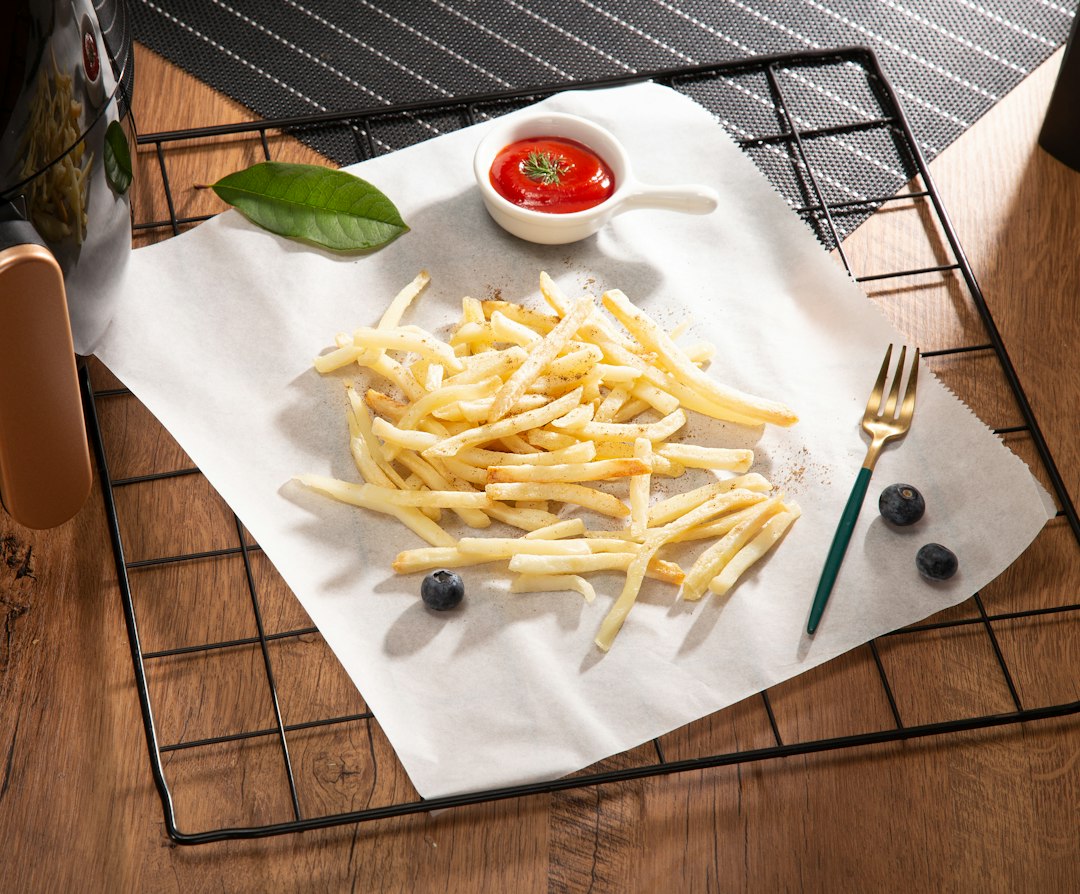
 air fryer parchment paper"/>
Air fryer parchment paper keeps baskets cleaner and cooking easier. Compare liner types, sizes, safety tips, and smart buying advice for crisp meals at home.
A great air fryer can turn out crisp fries, juicy chicken, and roasted vegetables with very little oil—but the basket cleanup is not always as appealing as the meal. Grease, melted cheese, sticky marinades, and small crumbs can bake onto the tray after only one cooking session. That is where air fryer parchment paper can make a noticeable difference. These disposable liners are designed to catch drips and food residue while allowing hot air to circulate around your ingredients. The right liner can save time at the sink, protect nonstick surfaces, and make weeknight cooking feel easier. However, not every parchment sheet is suitable for an air fryer, and using one incorrectly can create a safety problem. This guide explains how to choose the right shape, size, material, and perforation pattern, plus the key rules for using liners safely and getting reliably crisp results.
What Is Air Fryer Parchment Paper?
Air fryer parchment paper is heat-resistant, food-safe paper made for lining an air fryer basket, rack, or tray. Unlike standard baking paper cut from a roll, most air fryer versions are pre-sized and shaped for common basket designs. Round liners fit circular baskets, square liners suit drawer-style units, and rectangular options work well for oven-style air fryers.
The most useful versions have small holes across the surface. This is often called perforated air fryer paper. The holes allow hot air to move beneath and around the food, which helps preserve the fast, convection-style cooking an air fryer is known for. Solid liners can still be useful for especially messy foods, but they may reduce airflow and leave the bottom less crisp.
Many shoppers choose pre-cut parchment liners because they eliminate measuring, trimming, and curling corners. They are especially convenient for breaded chicken, bacon, saucy wings, fish, cookies, and vegetables tossed in oil or seasoning. A liner is not essential for every recipe, but it is a simple accessory when cleanup matters more than getting maximum direct airflow underneath the food.
Look for unbleached, food-grade parchment with a stated heat rating that meets or exceeds your appliance's recommended cooking temperatures. Product listings should clearly identify the dimensions, intended basket shape, quantity, and whether the paper is perforated.
Why Use Liners in Your Air Fryer?
The biggest benefit of air fryer parchment paper is easier cleanup. It catches grease, juices, crumbs, and sticky glaze before they reach the basket or drip through to the lower drawer. After cooking, you can discard the liner and wash only the parts that still need attention. This can be particularly helpful when cooking multiple batches for a family.
- Less scrubbing: Liners reduce baked-on residue from marinades, cheese, and sugary sauces.
- Basket protection: They limit direct contact between food and the basket's coating, although you should still use nonmetal utensils.
- Neater transfers: Raised-edge paper bowls can make it easier to lift delicate foods such as salmon or sticky dumplings.
- Better batch cooking: A fresh liner between batches helps keep flavors and residue from carrying over.
There are trade-offs. A liner can block some airflow, particularly if it has no perforations or is too large for the basket. Foods that depend on a very crisp underside, such as fries or breaded cutlets, may cook better directly on the tray or on a fully perforated sheet. For those meals, use a liner only when the mess is substantial, avoid overcrowding, and shake or turn food during cooking.
Disposable paper is convenient, while silicone air fryer liners are reusable. Silicone options can be a good fit for frequent cooks, but their thicker walls and ridges may retain more moisture. Paper liners are typically the easier choice for quick cleanup and greasy recipes.
How to Choose the Right Size, Shape, and Style
Before ordering air fryer liners, measure the inside of your basket rather than relying only on the appliance's quart capacity. Two six-quart models may have very different internal shapes. Measure the flat cooking area across the bottom, then compare it with the liner dimensions listed by the manufacturer. The liner should sit flat without curling upward into the heating area or folding over food.
Choose a shape that matches your appliance:
- Round: Best for cylindrical or round-basket air fryers.
- Square: A versatile option for many pull-out drawer baskets.
- Rectangular: Usually best for toaster-oven and dual-zone air fryers.
- Raised-edge bowls: Useful for wet, saucy, or greasy recipes because they contain drips.
- Flat perforated sheets: Better for airflow-heavy foods such as fries, nuggets, and roasted vegetables.
Pay close attention to the liner's maximum heat rating. Most parchment products are made for typical air fryer temperatures, but always check the package and your appliance manual. Also consider quantity. A large pack can be practical if you cook daily, while a smaller pack is sensible when you are testing a new size or style.
For a simple Amazon comparison, search for air fryer parchment paper with your basket dimensions and preferred shape. Read recent reviews for fit details, but treat measurements in the product description as the deciding factor. When you find a suitable pack, you can check the price and confirm its stated temperature guidance before purchasing.
Air Fryer Liner Safety Rules You Should Follow
Air fryer liner safety starts with one critical rule: never preheat your air fryer with an empty parchment liner inside. The strong fan can lift lightweight paper toward the heating element, where it may scorch or burn. Always place food on top of the liner before turning on the appliance. The weight of the food helps keep the paper in place.
Follow these practical safety steps every time:
- Use liners only at temperatures permitted on the packaging and in your air fryer manual.
- Keep paper away from the heating element and do not use a liner that is oversized or loose.
- Choose perforated sheets when possible so air can circulate properly.
- Do not block all vents with a large solid liner or an overfilled basket.
- Never use wax paper, which is not designed for high-heat air frying.
- Inspect the liner during longer cook times, especially with lightweight foods.
Paper liners should not replace good cooking habits. Avoid piling food too deeply, because overcrowding traps steam and can produce uneven cooking. For crisp results, leave space between pieces, shake the basket when the recipe calls for it, and use a light coating of oil where appropriate. If you notice smoke, excessive browning, or a liner moving upward, switch off the appliance and carefully remove the paper once it is safe to do so.
These rules matter whether you use disposable liners or reusable accessories. A correctly fitted liner used under food is generally much safer and more effective than a loose sheet improvised from a kitchen roll.
Best Foods to Cook With Parchment Liners
Air fryer parchment paper works best when cleanup is likely to be messy or when food is delicate enough to stick to the basket. It is especially useful for marinated proteins, glazed dishes, and small items that can fall through wider rack openings. The goal is to use the liner strategically rather than automatically for every recipe.
Good choices include:
- Sticky barbecue wings, honey garlic chicken, and glazed meatballs.
- Salmon fillets, white fish, shrimp, and other delicate seafood.
- Marinated tofu, tempeh, and vegetables with sauces.
- Cookies, brownies, mini cakes, and other small baked treats.
- Cheesy snacks, stuffed mushrooms, and saucy appetizers.
- Bacon or fatty foods that produce substantial drippings.
For fries, tater tots, and breaded foods, perforated liners are usually the better option. Their openings give the basket more exposure to circulating heat. If your fries seem pale or soft on the bottom, try cooking without a liner, use a smaller perforated sheet, or flip the food halfway through.
For shoppers building an accessory kit, consider keeping both paper and reusable options on hand. Disposable pre-cut parchment liners are ideal for saucy meals and fast cleanup, while silicone air fryer liners can be handy for repeat use. Choose based on the recipe, not just convenience. This approach helps you protect your basket without sacrificing the texture that makes air-fried food enjoyable.
Affiliate disclosure: As an Amazon Associate, this site may earn from qualifying purchases. This does not change the price you pay.
Frequently Asked Questions
- Can I use regular parchment paper in an air fryer?
- Yes, if it is food-safe parchment rated for the temperature you are using and it is secured underneath food. However, pre-cut, perforated air fryer parchment paper is usually easier to fit and better for airflow. Never use loose paper during preheating.
- Should air fryer parchment paper have holes?
- Holes are recommended for most foods because they allow hot air to circulate under the food. Solid raised-edge liners are useful for wet or saucy recipes, but they can reduce crispness on the bottom.
- Can parchment liners catch fire in an air fryer?
- They can scorch or ignite if they blow into the heating element, exceed their heat rating, or are used without food weighing them down. Use a properly sized liner, place food on it before starting the air fryer, and follow the package instructions.
- Are silicone air fryer liners better than paper liners?
- Neither is universally better. Silicone air fryer liners are reusable and durable, while paper liners are convenient for greasy, sticky, or saucy meals. Paper often offers easier cleanup; silicone may be more economical for frequent use.
Conclusion
Air fryer parchment paper is a small accessory that can make everyday cooking cleaner, faster, and less frustrating. The best option fits your basket, stays securely beneath food, has an appropriate heat rating, and supports enough airflow for the recipe you are making. Choose perforated sheets for fries, nuggets, and roasted vegetables when crispness is the priority. Choose raised-edge liners for saucy wings, fish, bacon, and other foods that create drips or sticky residue. Most importantly, never run an empty liner during preheating, and never allow paper to reach the heating element. Measure your basket before ordering so you can avoid curled edges and poor airflow. Ready to simplify cleanup? Compare dimensions, material details, and customer feedback, then check the price on a suitable pack of pre-cut parchment liners for your air fryer. A well-fitted liner can help you spend less time scrubbing and more time enjoying crisp, flavorful meals.
— Enjoyed this? Pass it on
— Want to build your own?
Publish articles like this in 90 seconds.
The whole terminal — AI writer, PA-API sync, refresh radar, auto-tweets — free for the first 3 articles.
Try for freeContinue reading