— amazon · Arthritis-Friendly Kitchen Tools
Adaptive Cooking Utensils for Easier Arthritis-Friendly Meals
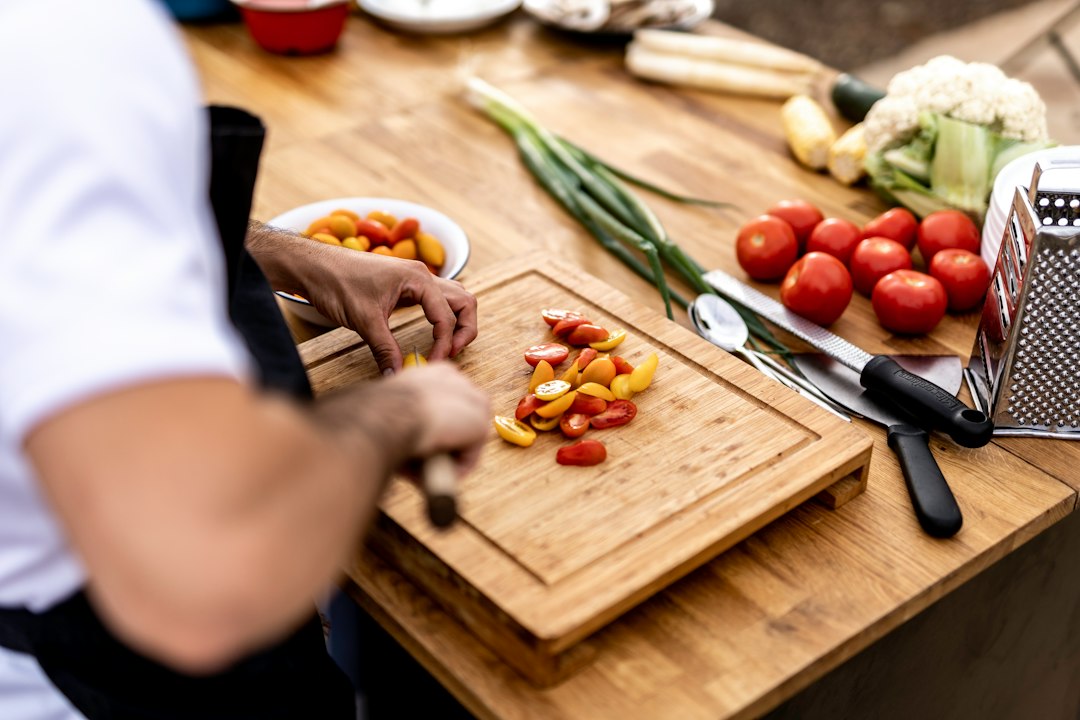
Discover adaptive cooking utensils that reduce grip strain and make prep easier. Compare arthritis-friendly features and choose tools for safer cooking.
Pain, stiffness, swelling, and reduced grip strength can turn ordinary meal preparation into an exhausting chore. Adaptive cooking utensils are designed to change that equation: they use larger handles, non-slip surfaces, lighter materials, and leverage-friendly shapes so hands do less painful work. Whether arthritis affects your fingers, wrists, thumbs, or shoulders, the right tools can help you chop, stir, open, and serve with more control. This guide explains which arthritis-friendly kitchen tools matter most, how to evaluate their design, and how to build a practical setup without filling every drawer with gadgets. You will find buying guidance for daily cooking, safety tips, and Amazon shopping considerations that make comparisons easier. Start with the task that causes the most discomfort, then choose a utensil that reduces force, awkward twisting, or repeated squeezing. Small changes can make cooking feel independent and enjoyable again for many home cooks on a regular basis.
What Makes Adaptive Cooking Utensils Different?
Adaptive cooking utensils are not simply oversized versions of standard tools. Their purpose is to lower the physical demands of cooking by improving grip, reducing wrist movement, and increasing leverage. For someone with arthritis, a narrow metal handle may require painful pinching and constant pressure. A thicker, soft-touch handle spreads that pressure across the palm and can be easier to hold securely.
Look for tools with textured or non-slip grips, especially if hand weakness makes objects more likely to rotate. Angled handles can keep the wrist in a more neutral position while stirring or serving. Lightweight nylon, silicone, and plastic designs may also be preferable to heavy metal tools for repetitive tasks. The best choice is personal: a utensil that feels comfortable during a brief test may still cause fatigue after ten minutes of chopping or stirring.
Prioritize the movements that trigger pain most often. If twisting lids is difficult, a jar opener may help more than another spoon. If finger joints hurt while cutting, a rocker knife can reduce the repeated sawing motion required by a conventional knife.
Essential Arthritis-Friendly Kitchen Tools to Consider
A well-chosen set of kitchen aids for arthritis can make a bigger difference than buying many specialty gadgets. Begin with a few high-use items and expand only when a tool solves a specific problem.
- Easy-grip peelers: Choose a wide, cushioned handle and a sharp blade. A Y-shaped peeler may feel more natural for some users, while a swivel style can provide better control for others.
- Ergonomic knives: A curved or vertical handle helps some cooks keep their wrist straighter. A rocker knife cuts food by rocking the blade forward and back instead of relying on a tight grip and long slicing strokes.
- Large-handled spoons and spatulas: Seek heat-resistant heads, balanced weight, and handles that do not become slippery with oil or moisture. OXO Good Grips utensils are a familiar example of the broad, soft-grip style many shoppers compare.
- Opening aids: Multi-size jar openers, ring-pull openers, and an electric can opener reduce the force and twisting needed to access packaged ingredients.
- Cutting boards with stability features: Non-slip feet, food spikes, or raised corners can stop food from moving, allowing one hand to do less holding while the other hand cuts.
For best value, avoid assuming a full matching set is necessary. One excellent peeler, can opener, and knife solution can address the hardest everyday tasks.
How to Choose the Right Ergonomic Kitchen Utensils
When comparing adaptive cooking tools on Amazon, assess the handle before focusing on color or included accessories. A useful handle is generally thick enough to hold without pinching, long enough to keep the hand away from heat, and contoured without forcing fingers into an uncomfortable position. Soft rubberized materials can improve grip, but they should also be easy to clean and securely attached.
Weight matters just as much. Very light tools reduce lifting strain, although an extremely light utensil can feel unstable when stirring dense foods. For spatulas and turners, consider the balance between handle and head. For knives, a sharp blade is important because dull blades demand more pressure and may increase the chance of slipping.
Read product dimensions rather than relying solely on photos. Compare handle diameter, total length, tool weight, dishwasher guidance, and whether the item is suitable for left-handed use. Customer reviews can reveal whether a grip works well for smaller hands, but individual needs vary. If possible, select products with straightforward return policies. Before purchasing, check the price alongside construction quality and the task you expect the tool to handle most often.
Match Tools to Your Most Painful Kitchen Tasks
Arthritis does not affect every hand movement in the same way. Matching the tool to the problem can prevent wasted purchases and create a safer cooking routine. Thumb-base arthritis often makes pinching and squeezing difficult, so spring-loaded tongs, wide-grip peelers, and jar openers may be useful. Finger-joint pain can make tight handles and repetitive chopping uncomfortable; larger handles and a rocker knife may reduce that demand.
If wrist pain is the main issue, look for angled or offset handles that reduce bending during stirring, flipping, and serving. For limited shoulder mobility, lightweight utensils and electric appliances can reduce reaching and lifting. An electric can opener is often especially helpful when manual turning causes hand or wrist discomfort.
Use adaptive cooking utensils as part of a broader setup. Place frequently used items between waist and shoulder height, keep cutting boards from sliding, and use two hands for heavier pans when possible. Take short breaks during meal prep rather than pushing through increasing pain. If pain is severe, persistent, or affects daily activities beyond cooking, consult a qualified healthcare professional or occupational therapist for individualized advice.
Smart Amazon Shopping and Safe Use Tips
Amazon makes it easy to compare arthritis-friendly kitchen tools, but product listings should be reviewed carefully. Check current specifications, materials, cleaning instructions, and recent customer feedback before ordering. A product described as ergonomic is not automatically a good fit for every hand size or condition. Focus on practical details such as grip width, non-slip features, blade sharpness, and whether replacement parts are available.
Safety remains essential. Keep blades sharp and protected, use stable work surfaces, and avoid forcing a tool when it slips or requires excessive pressure. For hot cookware, choose utensils with adequate length and heat-resistant heads. Clean textured grips thoroughly so food residue does not build up in seams.
Start with one or two tools that address your biggest barrier, then evaluate how they perform over several meals. This approach keeps your kitchen organized and helps you identify the features that genuinely improve comfort. As an Amazon Associate, we earn from qualifying purchases, at no extra cost to you.
Frequently Asked Questions
- What are the best adaptive cooking utensils for arthritis?
- The best options depend on the task causing discomfort. Many people start with wide-handled peelers, non-slip spatulas, ergonomic knives, jar openers, and an electric can opener. Choose tools that reduce pinching, twisting, or sustained squeezing.
- Do large-handled utensils really help with arthritis?
- They can help because a wider handle may require less finger flexion and reduce pressure on painful joints. The handle should still fit your hand comfortably, feel secure when wet, and avoid forcing your wrist into an awkward angle.
- Is a rocker knife easier to use than a regular knife?
- A rocker knife can be easier for cooks who struggle with gripping or repetitive forward-and-back slicing. Its curved blade uses a rocking motion, but it should be used on a stable cutting board and handled with the same care as any sharp knife.
- What should I look for before buying OXO Good Grips tools?
- Review the specific utensil rather than buying by brand alone. Check handle shape, weight, material, heat resistance, dishwasher compatibility, and recent reviews. OXO Good Grips products often feature broad soft handles, but comfort remains individual.
Conclusion
The right adaptive cooking utensils can turn meal preparation from a painful obligation into a more comfortable, confident routine. Rather than replacing every item in your drawer, focus on the movements that create the most strain: opening cans, peeling vegetables, gripping knives, stirring thick foods, or lifting cookware. Wide handles, non-slip surfaces, lightweight materials, and leverage-based designs are the features most likely to make a meaningful difference. Start with one dependable tool, use it over several meals, and note whether it reduces pain, fatigue, or awkward wrist positions. Then add the next item only when it solves another clear challenge. Browse current options, compare dimensions and reviews carefully, and check the price before making a decision. A few practical arthritis-friendly kitchen tools can support safer preparation, preserve independence, and help make home cooking enjoyable again.
— Enjoyed this? Pass it on
— Want to build your own?
Publish articles like this in 90 seconds.
The whole terminal — AI writer, PA-API sync, refresh radar, auto-tweets — free for the first 3 articles.
Try for freeContinue reading
Arthritis-Friendly Kitchen Tools
Best Electric Can Opener for Arthritis: Easy, Safe Picks
Arthritis-Friendly Kitchen Tools
Easy Grip Vegetable Peeler for Arthritis: Buying Guide
Arthritis-Friendly Kitchen Tools
Adaptive Cooking Tools for Seniors: Arthritis-Friendly Picks
Arthritis-Friendly Kitchen Tools